
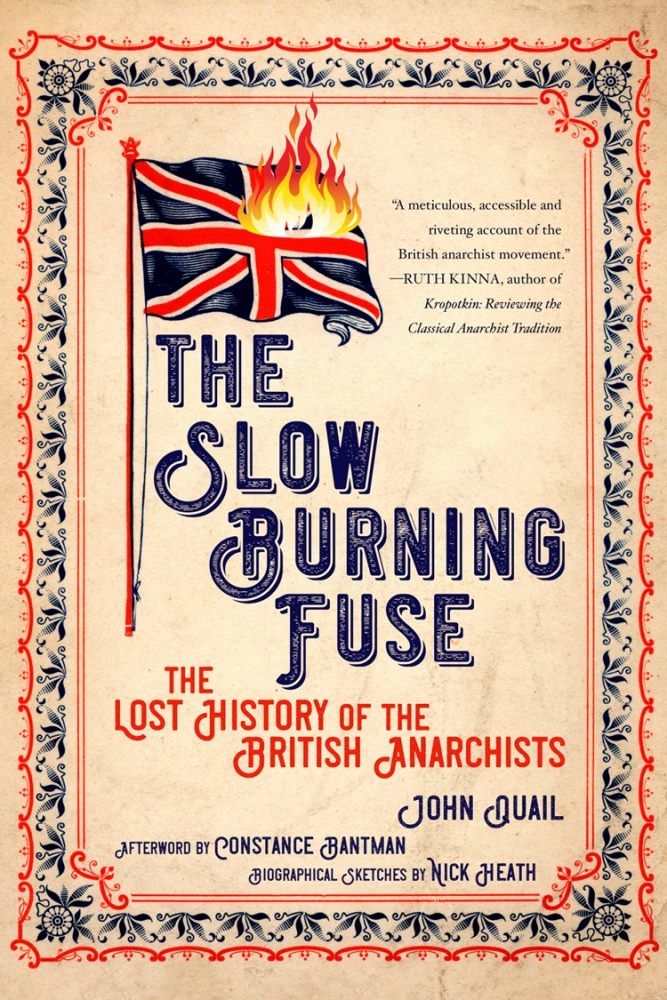
The Slow Burning Fuse: The Lost History of the British Anarchists
Please select all options before adding to cart.
In the accounts of the radical movements that have shaped our history, anarchism has received a raw deal. Its visions and aims have been distorted and misunderstood, its achievements forgotten. The British anarchist movement during the years 1880–1930, while borrowing from Europe, was self-actuated and independent, with a vibrant tale all its own.
In The Slow Burning Fuse, John Quail shows a history largely obscured and rewritten following 1919 and the triumph of Leninist communism. The time has arrived to resurrect the works of the early anarchist clubs, their unsung heroes, tumultuous political activities, and searing manifestos so that a truer image of radical dissent and history can be formed. Quail’s story of the anarchists is one of utopias created in imagination and half-realised in practice, of individual fights and movements for freedom and self-expression—a story still being written today.
Praise:
“The Slow Burning Fuse is a meticulous, accessible and riveting account of the British anarchist movement. John Quail introduces us to the anarchists of the Socialist League, explores the early history of the Freedom group, describes the murky world of police spies and agents provocateurs, and shows how small groups of anarchists in London and Sheffield animated working-class movements at the turn of the twentieth century. Quail’s rich history is also an unflinching reflection on anarchist organising. Examining the personal feuds that plagued the movement and the political disagreements generated by the incidence of violence in France, Quail shows how internal divisions exacerbated the problems created by systematic police repression. Anarchist utopian aspirations are easily romanticised or mocked. Quail avoids both and instead invites us to weigh up the value of spectacular actions and consider the effectiveness of strategic initiatives. The result is a passionate but sober defence of anarchist politics and movement building.”
—Ruth Kinna, author of Kropotkin: Reviewing the Classical Anarchist Tradition
“The book is important and groundbreaking, though Quail was mainly interested in action rather than theory, describing the discussion of theory as ‘balls-achingly boring.’”
—Peter Ryley, author of Making Another World Possible
“The Slow Burning Fuse remains the most readable book on the history of British anarchism. It’s also a wise book. Quail gives his opinion clearly and sensibly.”
—Kate Sharpley Library
“Quail’s researches have led him to uncover a number of near-forgotten incidents and personalities… The book is informative and well worth reading.”
—Paul Bennett, Socialist Party of Great Britain
About the Contributors:
John Quail was a member of Solidarity, a libertarian socialist group active in the UK between 1960 and 1992. He is now a visiting fellow at the University of York.
Constance Bantman is a senior lecturer in French at the University of Surrey, who has published extensively on the history of transnational anarchism, and in particular Anglo-French connections.
Nick Heath is the author of multiple biographical articles about anarchists as well as articles on the Hungarian Revolution, the Makhnovists, and a pamphlet on peasant resistance in the Soviet Union.
See and hear author interviews, book reviews, and more on John Quail's page HERE
You May Also Like
Anarchist Seeds beneath the Snow: Left-Libertarian Thought and British Writers from William Morris to Colin Ward
Moving seamlessly from Aldous Huxley and Colin Ward to the war in Iraq, this challenging volume will energize leftist movements throughout the world.
Journey Through Utopia: A Critical Examination of Imagined Worlds in Western Literature
A richly detailed and critically compelling examination of utopian literature, beginning with Plato’s Republic and continuing through to Huxley’s Brave New World.
Anthropology, Ecology, and Anarchism: A Brian Morris Reader
This work takes an interdisciplinary approach moving seamlessly among topics, offering up coherent and practical connections between various scholarly interests and his deeply held commitment to anarchist politics and thought.
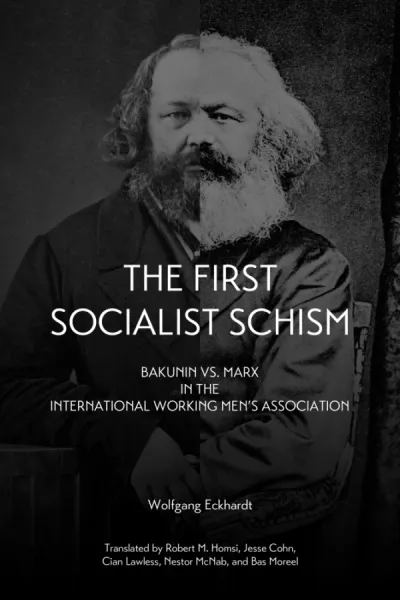
The First Socialist Schism: Bakunin vs. Marx in the International Working Men's Association
This book chronicles the conflicts in the International Working Men’s Association (First International) using source material from numerous archives and libraries that have gone unnoticed or were completely unknown.
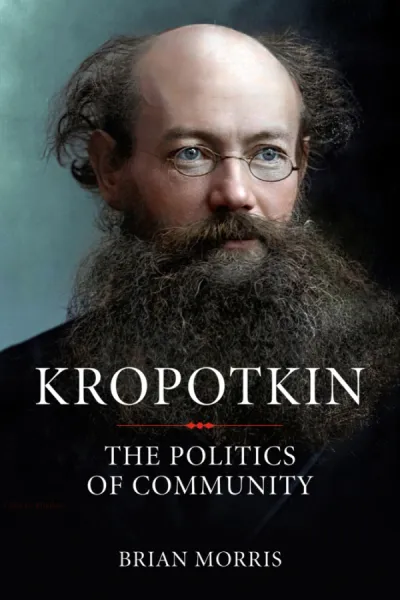
Kropotkin: The Politics of Community
This book reaffirms with an attitude of critical sympathy the contemporary relevance of Kropotkin as a political and moral philosopher and as a pioneering social ecologist.

Anarchy, Geography, Modernity: Selected Writings of Elisée Reclus
A comprehensive introduction to the thought of this anarchist geographer and political theorist analyzing his sweeping historical and theoretical synthesis.
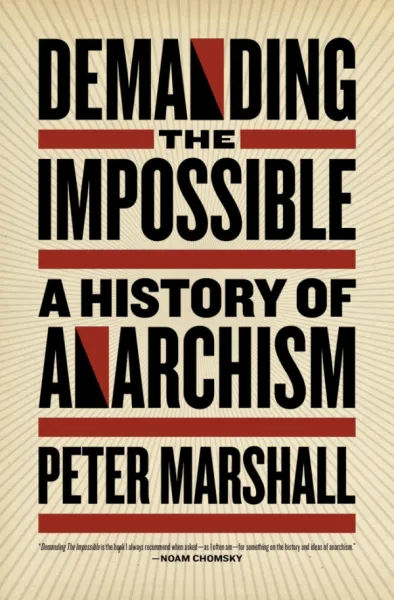
Demanding the Impossible: A History of Anarchism
Navigating the broad "river of anarchy," from Taoism to Situationism, from anarcho-syndicalists to anarcha-feminists, this volume is an authoritative and lively study of a widely misunderstood subject.
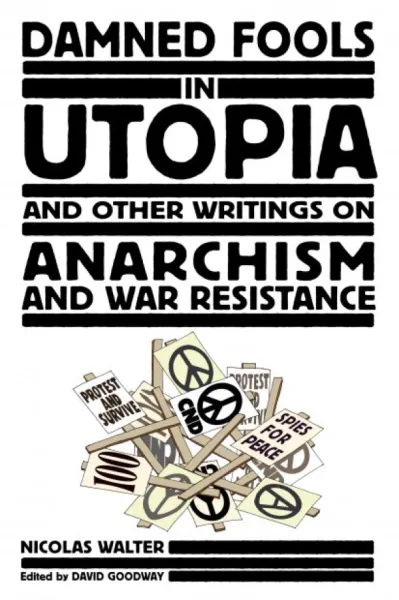
Damned Fools in Utopia: And Other Writings on Anarchism and War Resistance
Nicolas Walter scorned the pomp and frequent ignorance of the powerful and detested the obfuscatory prose and intellectual limitations of academia. The items collected in this volume display him at his considerable best.
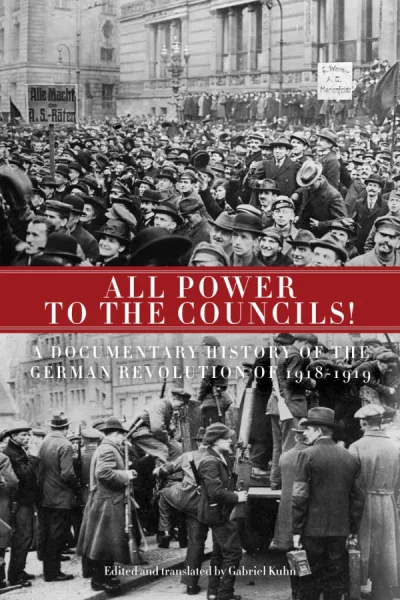
All Power to the Councils!: A Documentary History of the German Revolution of 1918-1919
Manifestos, speeches, articles, and letters from the German Revolution.
Recently Viewed
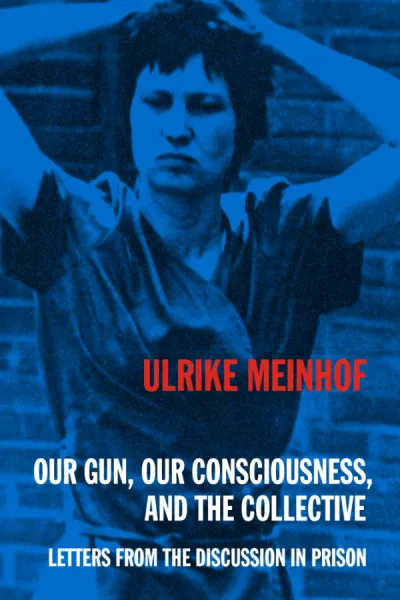
Our Gun, Our Consciousness, and the Collective: Letters from the Discussion in Prison
We are disarmed, but what they will never be able to take away from us, if we defend it tooth and nail, is our consciousness and the collective.