
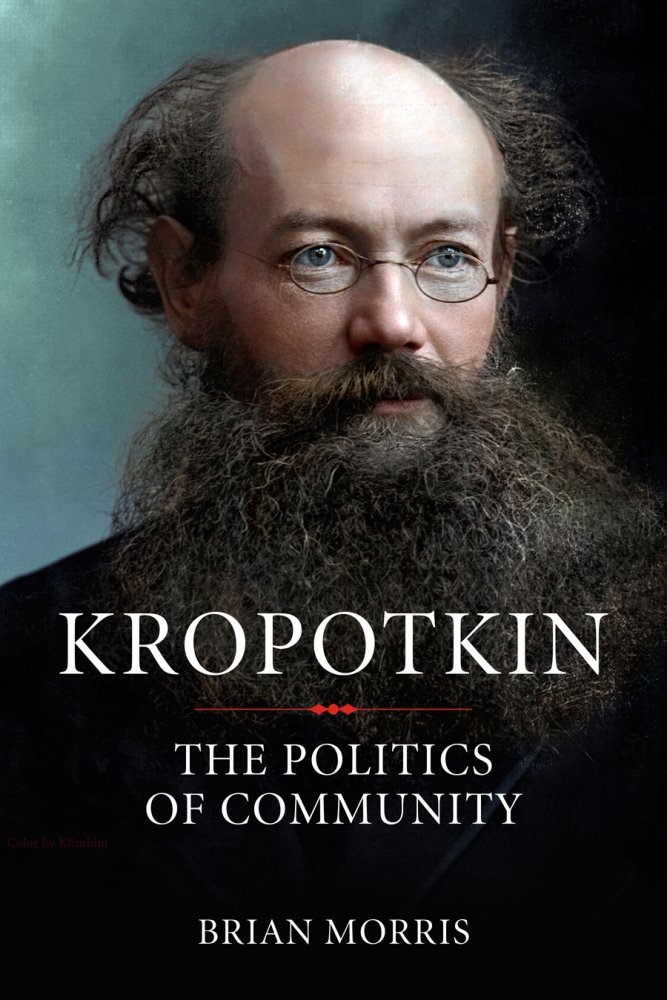
Kropotkin: The Politics of Community
Please select all options before adding to cart.
The nineteenth century witnessed the growth of anarchist literature, which advocated a society based on voluntary cooperation without government authority. Although his classical writings on mutual aid and the philosophy of anarchism are still published today, Peter Kropotkin remains a neglected figure. A talented geographer and a revolutionary socialist, Kropotkin was one of the most important theoreticians of the anarchist movement.
In Kropotkin: The Politics of Community, Brian Morris reaffirms with an attitude of critical sympathy the contemporary relevance of Kropotkin as a political and moral philosopher and as a pioneering social ecologist. Well-researched and wide-ranging, this volume not only presents an important contribution to the history of anarchism, both as a political tradition and as a social movement, but also offers insightful reflections on contemporary debates in political theory and ecological thought. After a short biographical note, the book analyzes in four parts Kropotkin’s writings on anarchist communism, agrarian socialism, and integral education; modern science and evolutionary theory; the French Revolution and the modern state; and possessive individualism, terror, and war.
Standing as a comprehensive and engaging introduction to anarchism, social ecology, and the philosophy of evolutionary holism, Kropotkin is written in a straightforward manner that will appeal to those interested in social anarchism and in alternatives to neoliberal doctrines.
Praise:
“Peter Kropotkin has been largely ignored as a utopian crackpot, but Brian Morris demonstrates in this wide-ranging and detailed analysis that Kropotkin addressed significantly and perceptively the major issues of the present day.”
—Harold B. Barclay, author of People without Government: An Anthropology of Anarchy
About the Author:
Brian Morris is professor emeritus of anthropology at Goldsmiths College, London. He received a doctorate in social anthropology at the London School of Economics and Political Science, having done his PhD fieldwork among hunter-gatherers in Southern India. Prior to his academic career, he worked as a tea planter in Malawi, where he has done extensive fieldwork. He has written books and articles on topics including ecology, botany, philosophy, history, religion, anthropology, ethnobiology, and social anarchism. After discovering anarchist thought in the mid-1960s, he remained active in various protests and political movements. His previous books include Anthropology, Ecology, and Anarchism: A Brian Morris Reader and Bakunin: The Philosophy of Freedom.
See and hear author interviews, book reviews, and other news on Brian Morris’s page HERE
You May Also Like
Anarchy, Geography, Modernity: Selected Writings of Elisée Reclus
A comprehensive introduction to the thought of this anarchist geographer and political theorist analyzing his sweeping historical and theoretical synthesis.
Anthropology, Ecology, and Anarchism: A Brian Morris Reader
This work takes an interdisciplinary approach moving seamlessly among topics, offering up coherent and practical connections between various scholarly interests and his deeply held commitment to anarchist politics and thought.
Anarchy and the Sex Question: Essays on Women and Emancipation, 1896-1926
"The Sex Question" emerged for Goldman in multiple contexts as varied as women's suffrage, "free love," birth control, the "New Woman," homosexuality, marriage, love, and literature.
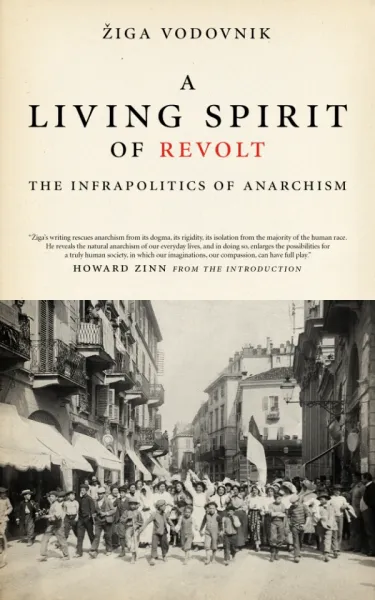
A Living Spirit of Revolt: The Infrapolitics of Anarchism
A Living Spirit of Revolt establishes that anarchism is today not only the most revolutionary current but, for the first time in history, the only one left.
Demanding the Impossible: A History of Anarchism
Navigating the broad "river of anarchy," from Taoism to Situationism, from anarcho-syndicalists to anarcha-feminists, this volume is an authoritative and lively study of a widely misunderstood subject.
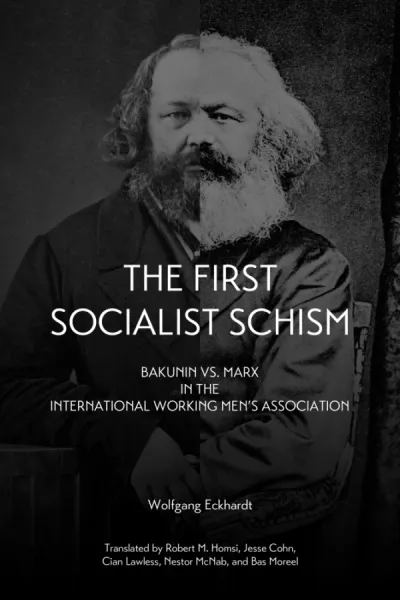
The First Socialist Schism: Bakunin vs. Marx in the International Working Men's Association
This book chronicles the conflicts in the International Working Men’s Association (First International) using source material from numerous archives and libraries that have gone unnoticed or were completely unknown.
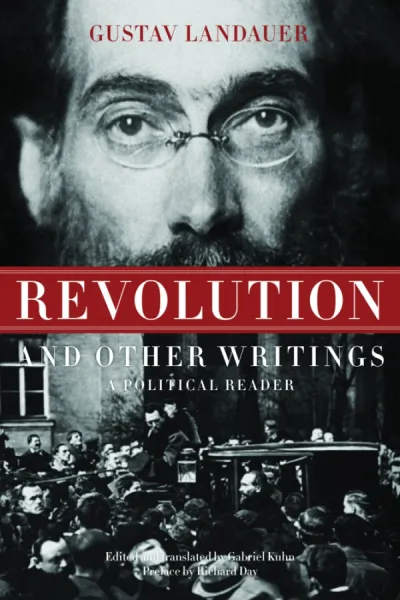
Revolution and Other Writings: A Political Reader
The first comprehensive collection of Landauer's writings in English, a valuable addition to the history of anarchism.
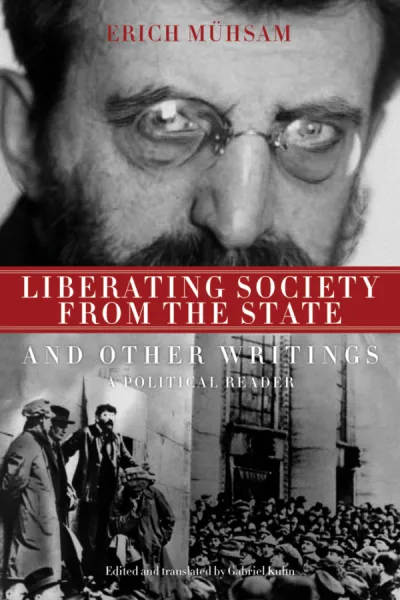
Liberating Society from the State and Other Writings: A Political Reader
An impressive collection of one of Germany's most renowned and influential anarchists, Erich Muhsam, primary instigator of the ill-fated Bavarian Council Republic in 1919.
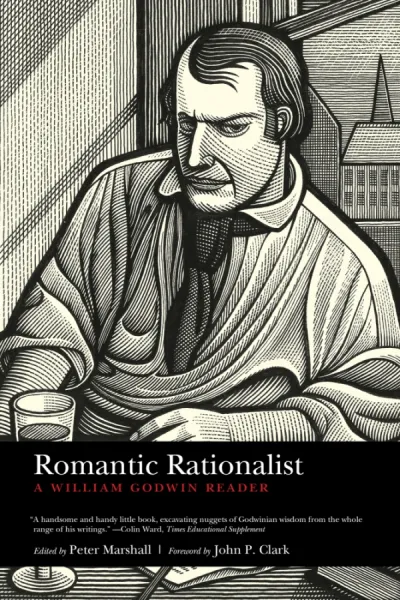
Romantic Rationalist: A William Godwin Reader
This handy collection of Godwin’s key writings in a clear and concise form, together with an assessment of his influence, a biographical sketch, and an analysis of his contribution to anarchist theory and practice.
Recently Viewed