
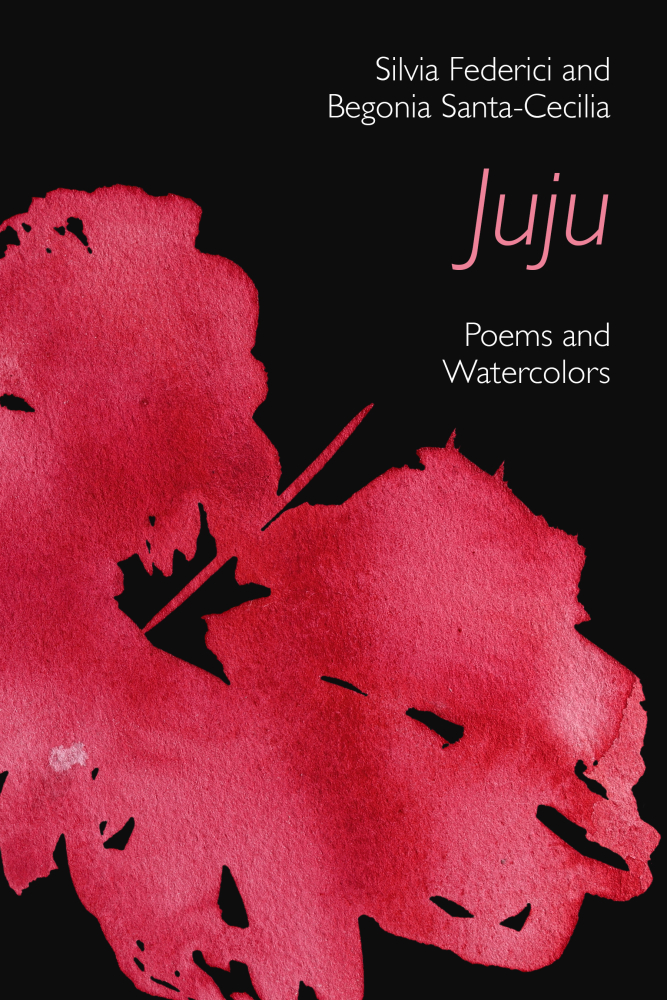
Juju: Poems and Watercolors
Pre-order. This is not in stock yet, expected December 2026. It ships when it arrives, and anything else you order with it may be sent separately.
Available for preorder.
Juju: Poems and Watercolors brings together text and image to form an urgent, tender record of survival, solidarity, and the quiet power of making something together when making anything at all may feel impossible.
In the darkest months of the COVID pandemic, writer and feminist theorist Silvia Federici and artist Begonia Santa-Cecilia began a private exchange across distance and isolation. Federici sent poems. Santa-Cecilia replied with watercolors. What started as an intimate correspondence became a lifeline, an act of shared breathing amid fear, surveillance, grief, and mass death. Words and colors offered a way to stay alive to one another when the world felt brutally narrowed.
Only later did the two friends recognize what they had made together. A singular book born of crisis and care. Part dialogue, part visual poem, it is a testament to creation as a form of resistance and mutual aid, an affirmation of everything that cannot be controlled. Each page vibrates with the insistence that art, friendship, and collective imagination open cracks in seemingly closed realities, reminding us that this world is not the only possible one.
Juju: Poems and Watercolors offers a rare and revelatory gift. For the first time, readers encounter the poetry that Federici, one of the most influential radical thinkers of our time, has written throughout her life but never published.
Praise
“In this botanical, poetic, and loving exchange, Silvia Federici and Begonia Santa-Cecilia invent a ritual to cultivate closeness while pandemic deaths surround them. Theirs is a correspondence of rebellious languages, poetry and painting, friendship, memory, landscapes (from Nigeria to Brooklyn, from Gaza to South Africa), palm trees, and flowers. Silvia's frames of analysis, anticipating the economic warfare that will come after COVID, filter in. The major themes of her work also materialize in a different register. The poetry speaks of debt, male domination, the exploitation of the land, the control of bodies, reproductive labor. There are many eras represented in this correspondence—the 80s, the 90s, and the two-year period of 2020–21—but the impulse that unites them is the search for the rhythm of a shared breath. This beautiful book is a tribute to rebellious conspiracy, to gestures capable of creating a world in moments when everything seems to suffocate us.”
—Verónica Gago, researcher, professor, and author of Feminist International: How to Change Everything
About the Contributors
Silvia Federici is a feminist writer, teacher, and militant. In 1972 she was cofounder of the International Feminist Collective that launched the Wages for Housework campaign. Her books include Caliban and the Witch; Re-enchanting the World; and Witches, Witch Hunting, and Women. She is a professor emerita at Hofstra University, where she taught in the social sciences. She worked as a teacher in Nigeria for many years and was also the cofounder of the Committee for Academic Freedom in Africa. She lives in New York.
Begonia Santa-Cecilia is an artist living in Brooklyn. Her practice sets out from the pictorial tradition and weaves together the observation of nature, everyday experience, and activism around the sustainment of life in common.
You May Also Like

Al-Mutanabbi Street Starts Here: Poets and Writers Respond to the March 5th, 2007, Bombing of Baghdad's "Street of the Booksellers"
This anthology begins with a historical introduction to al-Mutanabbi Street and includes the writing of Iraqis and international poets and writers who were outraged by the 2007, car bomb attack.
Late in the Day: Poems 2010-2014
Le Guin gives voice to objects that may not speak a human language but communicate with us nevertheless through and about the seasonal rhythms of the earth, the minute and the vast, the ordinary and the mythological.
Revolution at Point Zero: Housework, Reproduction, and Feminist Struggle, Second Edition
This volume collects forty years of research and theorizing on the nature of housework, social reproduction, and women’s struggles on this terrain—to escape it, to better its conditions, to reconstruct it.
RUIN
Both timely and timeless in its examination of an American state in free fall. The ultimate effect of these stories is one of invigoration and a sense of possibilities—hope for a new world extracted from the rubble of the old.
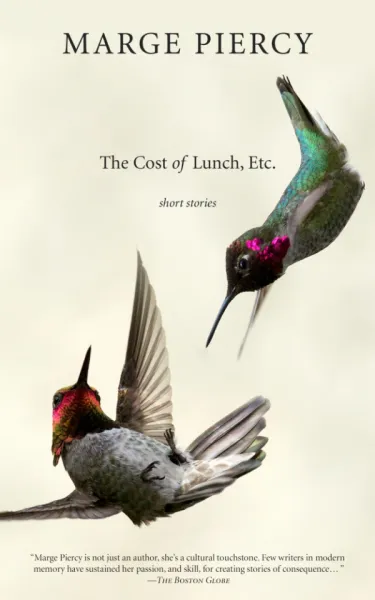
The Cost of Lunch, Etc.
Marge Piercy's debut collection of short stories spans decades of her writing and brings us glimpses into the lives of everyday women moving through and making sense of their daily internal and external worlds.
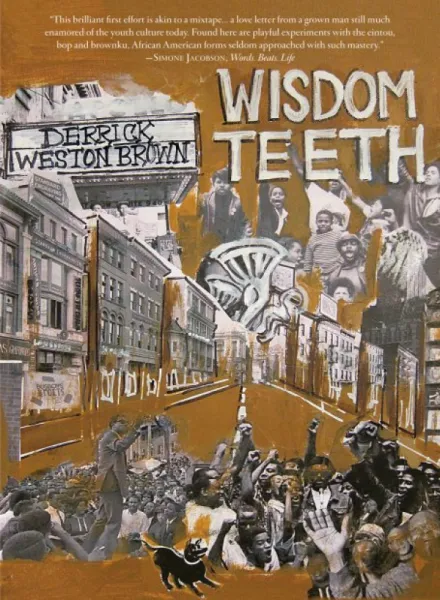
Wisdom Teeth
Poet Derrick Weston Brown channels hip-hop, Toni Morrison, and Snagglepuss to make way for the shudder and eruption of wisdom.
Recently Viewed
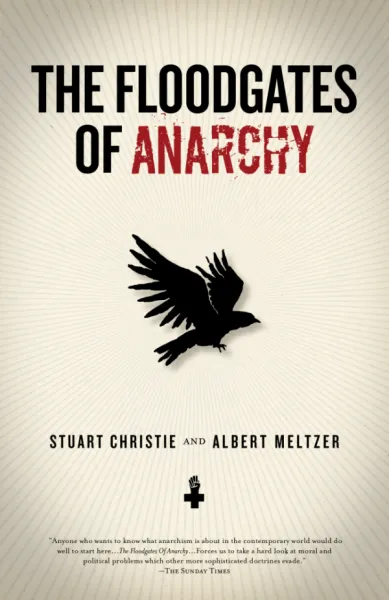
The Floodgates of Anarchy
Back in print and featuring a new foreword by the authors, this polemic approaches the subject of anarchism in relation to class struggle.