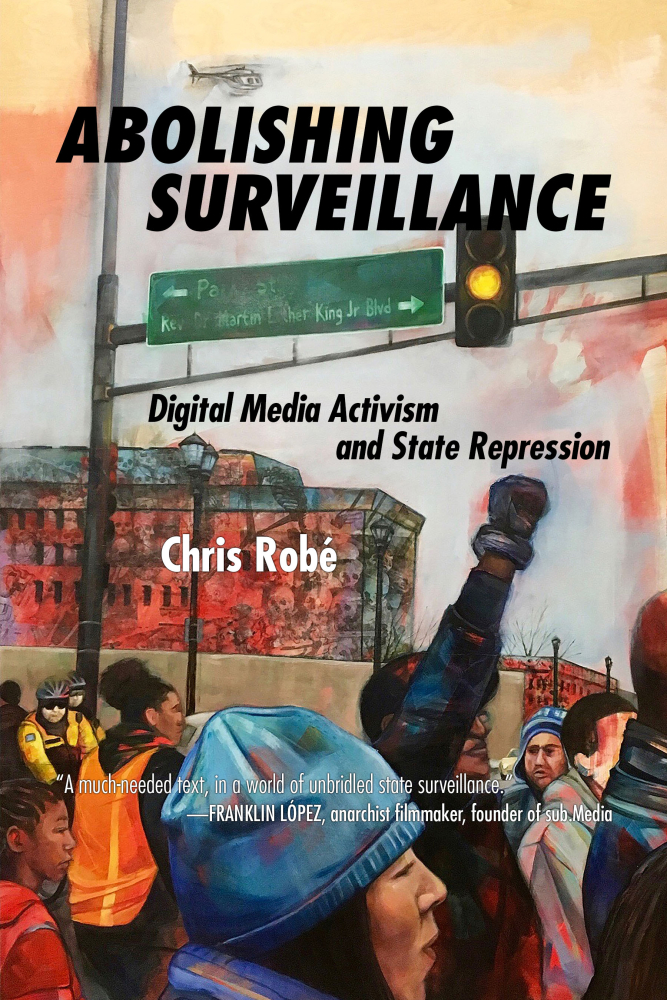
Abolishing Surveillance: Digital Media Activism and State Repression
Please select all options before adding to cart.
The Department of Justice sought information on all who visited the DisruptJ20.org website for Donald Trump's inauguration. Undercover agents infiltrate BlackLivesMatter protests. Police routinely command bystanders to stop filming them by falsely claiming it is a crime. Agricultural states such as Iowa, Idaho, Utah, and Wyoming enact laws that criminalize the filming of factory farm cruelty while allowing other-than-human animal suffering to continue unabated. Dissent and poverty are increasingly criminalized by the state as precarity grows.
Abolishing Surveillance offers the first in-depth study of how various communities and activist organizations are resisting such efforts by integrating digital media activism into their actions against state surveillance and repression and for a better world. The book focuses on a wide array of movements within the United States such as Latinx copwatching groups in New York City, Muslim and Arab American communities in Minneapolis, undercover animal rights activists, and countersummit protesters to explore the ways in which government surveillance and repression impacts them and, more importantly, their different but related online and offline tactics and strategies employed for self-determination and liberation. Digital media production becomes a core element in such organizing as cell phones and other forms of handheld technology become more ubiquitous. Yet such uses of technology can only be successfully employed when built upon strong grassroots organizing that has always been essential for social movements to take root. Neither idealizing nor disparaging the digital media activism explored within its pages, Abolishing Surveillance analyzes the successes and failures that accompany each case study. The book explores the historically shifting terrain since the 1980s to the present of how historically disenfranchised communities, activist organizations, and repressive state institutions battle over the uses of digital technology and media-making practices as civil liberties, community autonomy, and the very lives of people and other-than-human animals hang in the balance.
Praise
“A much-needed text in a world of unbridled state surveillance, Robé’s follow-up to Breaking the Spell takes a deep dive into the dangerous world of cop-watching in working-class communities of color, Muslim American countersurveillance collectives, the investigative work of animal rights activists, and the independent media produced by countersummit protesters. Once again Robé’s work is informed by interviews with the grassroots media activists taking the risks necessary to protect and further their movements. But Abolishing Surveillance does not shy away from offering constructive critiques of the groups showcased and gives us insight to the way forward and on how to survive life under Big Brother now and for years to come.”
—Franklin López, anarchist filmmaker, founder of sub.Media
“Abolishing Surveillance: Digital Media Activism and State Repression gifts us with incredible insight into digital media as a constellation of struggle but also a channel of surveillance that functions as a toehold for state and capital to deactivate social movements. Through these rarely documented histories of repression against environmental activists, independent media makers, grassroots organizers, and working-class communities of color, Robé skillfully brings a constellation of practices together to draw an alarming portrait of the surveillance architecture in the United States. This essential history of compliance and control in the context of our contemporary democracy is essential reading for our unprecedented times.”
—Angela J. Aguayo, associate professor at University of Illinois, Urbana-Champaign, and author of Documentary Resistance: Social Change and Participatory Media
“With his signature verve, commitments to media and activism, and close attention and connection to communities of practice and protest, Chris Robé details American mediated and embodied struggles against decades (eons?) of surveillance and policing. Connecting four social movement’s media and grassroots resistance, Abolishing Surveillance draws on the histories and distinct struggles of animal rights activists, anarchists, cop-watchers, and Muslim and Arab Americans to contribute to autonomy and mutual awareness. From undercover video in the 80s, to algorithms and ‘social’ media today, Robé tracks linked legacies of anti-racist violence and racial capitalism and our movements’ resistance and solidarity. To read him is to learn, engage, and keep strong.”
—Alexanra Juhasz, distinguished professor of film, Brooklyn College, CUNY
“Abolishing Surveillance: Digital Media Activism and State Repression reads like an epic novel of revolution and resistance. It pulses with the excitement of community groups fighting back through any media necessary, from activist videos, sous-surveillance, YouTube postings, secret underground exposes, social media, websites, VR, police countersurveillance, and protests over commercial media representations. This exceptionally well-written, compelling book explains the intensification of state sponsored surveillance and infiltrations of the last fifty years in the entangled context of the rise of neoliberalism, racialized capitalism, policing, and the carceral state. But it also explodes with optimism as dynamic, innovative strategies of grassroots community media and organizing critique, intervene in, and dismantle these technologies of power by reinventing how digital media can be deployed and circulated to change power relations. A riveting read, this eye-opening book demands that digital media in all its forms and platforms be seen as essential tools entwined with on-the-ground organizing, remaking and reimagining oppositional media.”
—Patricia R. Zimmermann, author of Documentary Across Platforms: Reverse Engineering Media, Place, and Politics
About the Author
Chris Robé is a professor of film and media studies in the School of Communication and Multimedia Studies at Florida Atlantic University. He primarily writes about how various communities and social movements employ media making in their activism. He has written several books including Left of Hollywood: Cinema, Modernism, and the Emergence of U.S. Radical Film Culture (2010) and Breaking the Spell: A History of Anarchist Filmmakers, Videotape Guerrillas, and Digital Ninjas (2017). He coedited the collection Insurgent Media from the Front: A Media Activism Reader (2020) with Stephen Charbonneau. He has long been involved with his faculty union in pursuit of creating an accessible and quality public higher education for all who desire it.
You May Also Like
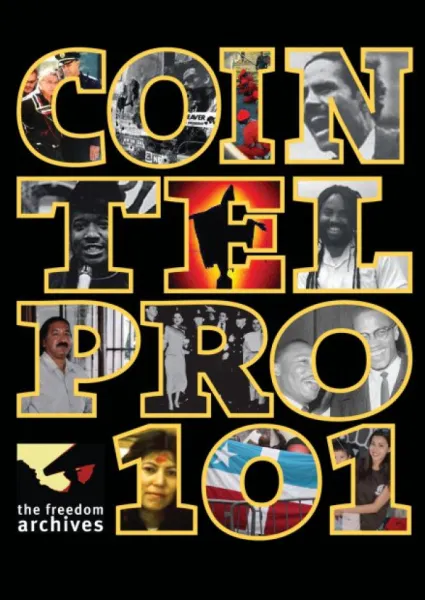
COINTELPRO 101 (DVD)
This DVD exposes illegal surveillance, disruption, and outright murder committed by the U.S. government in the 1950s, '60s, and '70s.
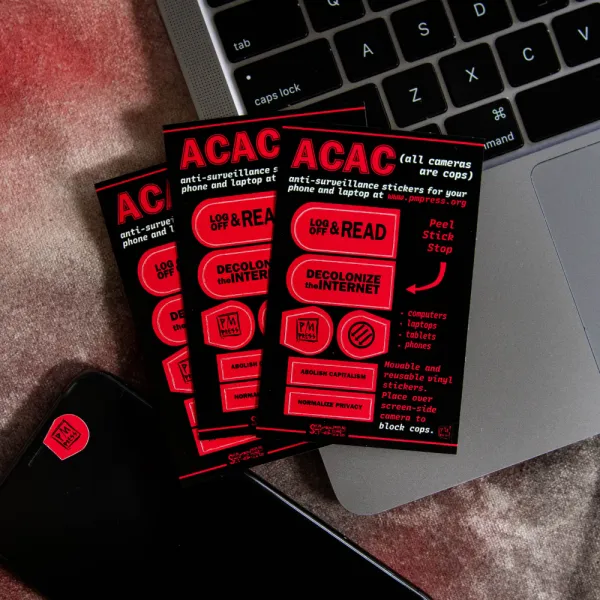
ACAC—All Cameras Are Cops Anti-Surveillance Stickers for phones and laptops
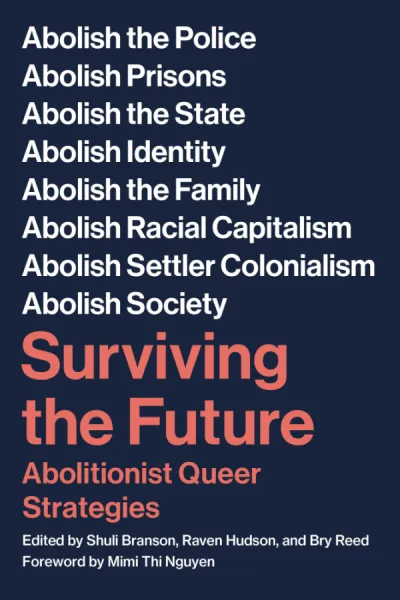
Surviving the Future: Abolitionist Queer Strategies
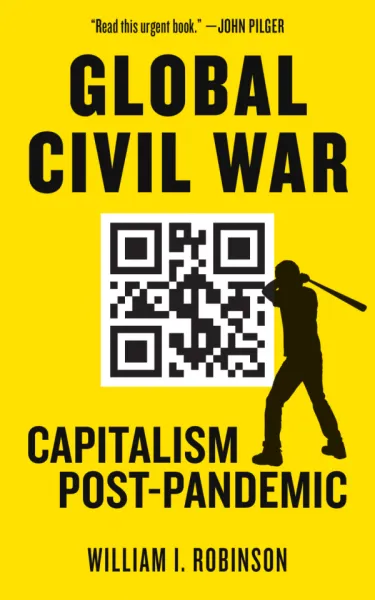
Global Civil War: Capitalism Post-Pandemic
A big-picture contribution to understanding contemporary global society in the aftermath of the coronavirus pandemic.
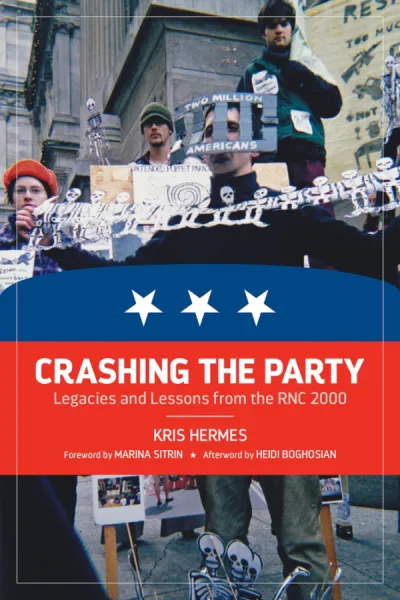
Crashing the Party: Legacies and Lessons from the RNC 2000
This book shows how events in 2000 acted as a testing ground to develop repressive policing methods now used across the U.S., as well as providing a laboratory for radical, innovative, and confrontational forms of legal support.
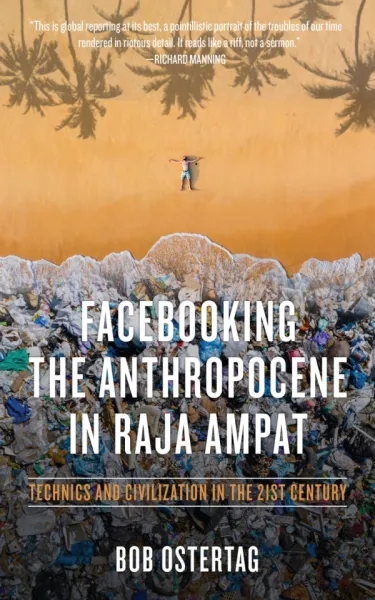
Facebooking the Anthropocene in Raja Ampat: Technics and Civilization in the 21st Century
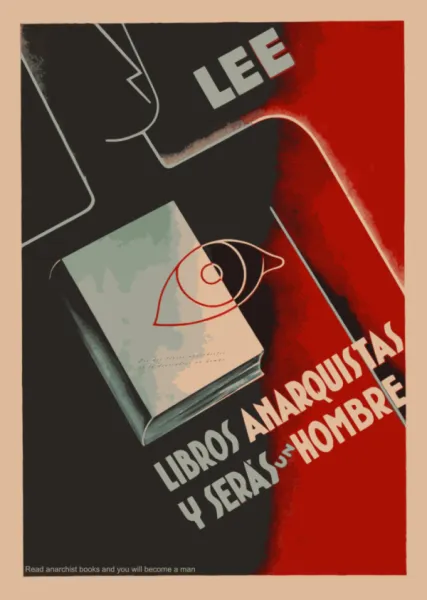
Poster - Lee Libros Anarquistas
Breaking the Spell: A History of Anarchist Filmmakers, Videotape Guerrillas, and Digital Ninjas
Breaking the Spell offers the first full-length study that charts the historical trajectory of anarchist-inflected video activism from the late 1960s to the present.
Black Flags and Windmills: Hope, Anarchy, and the Common Ground Collective, Second Edition
A memoir of resisting indifference, rebuilding hope amid collapse, and struggling against the grain. This edition includes new discussions on disaster relief, infiltration and surveillance from the State, and new photos.
Recently Viewed

Friends of PM Press e-Book Membership
A People’s Guide to Abolition and Disability Justice
Disability justice and prison abolition are two increasingly popular theories that overlap but whose intersection has rarely been explored in depth.