
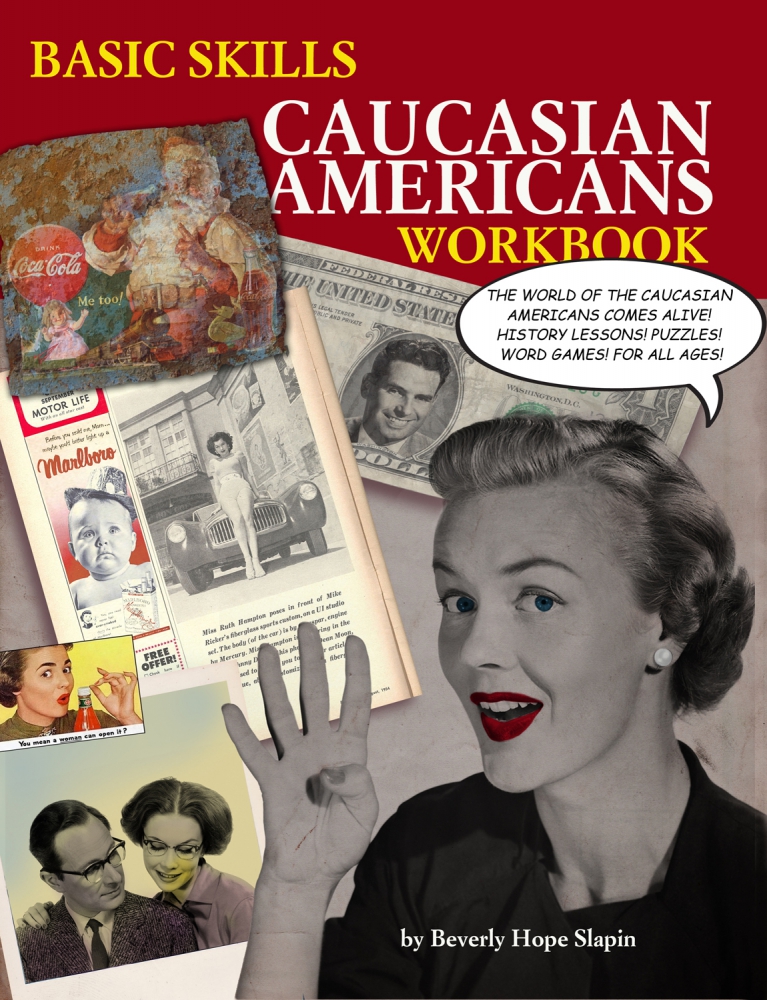
Basic Skills Caucasian Americans Workbook
Please select all options before adding to cart.
The world of the Caucasian Americans comes alive through history lessons, puzzles, and word games for all ages. The history, material culture, mores, and lifeways of the people now collectively known as the “Caucasian Americans” have often been discussed but rarely comprehended. Until now. This revised edition of Basic Skills Caucasian Americans Workbook provides young readers with accurate accounts of the lives of the Caucasian Americans, who long ago roamed our land. Caucasians are as much a part of American life as they were one hundred years ago. Even in times past, Caucasians were not all the same. Not all of them lived in gated communities or drove SUVs. They were not all techie geeks or power-hungry bankers. Some were hostile, but many were friendly.
It is important for young people to study our Caucasian American forebears in order to learn how they enriched the heritage and history of the world. We hope that the youngsters who read these pages will realize the role that Caucasian Americans played in shaping the United States, and in making the world the remarkable place that it is today.
Praise:
“For many years, I’ve recommended this amazing book as anthropological source material in the education of young children. Beverly Slapin has captured the essence of what it was really like to have lived as a Caucasian American.”
—Virginia Lea, Ph.D., Associate Professor of Education, University of Wisconsin-Stout, Menominee, Wisconsin; Co-Chair, Proposals Committee, National Association for Multicultural Education; Executive Director, Educultural Foundation; Co-Chair, Pride Alliance, University of Wisconsin-Stout, Menominee, Wisconsin
“Every public library that values a balanced social studies section must have this ‘go-to’ resource on understanding Caucasian Americans. Delightful illustrations, word scrambles and other exercises make it fun as well as truly educational; and it makes a great recommendation for family car trips.”
—Nina Lindsay, Children’s Services Librarian, Oakland Public Library, Oakland, California; Caucasian American member of the American Library Association
“This remarkable work is key to understanding the abstruse and non-intuitive premises underlying the Caucasian worldview and motivational impeti.”
—Annie Esposito, Local News Director Emerita, KPFA-FM, Berkeley, California; Copublisher Emerita, Mendocino Country Independent
About Beverly Hope Slapin:
Beverly Hope Slapin, who delighted many young readers with Growing Up Caucasian, I Live in a Gated Community and What’s Up, Little White Girl?, has always been fascinated with and delighted by white people. A teacher whose love of white culture led her to intensive Caucasian American studies, which she eagerly shares with her young students, Slapin writes: “What would America have been without the Caucasian Americans themselves, with their magnificent shopping malls, their colorful leisure suits, their factories, landfills, and parking lots, their reality shows, their iPods and their history?” Slapin, a winner of the coveted Ishibashi Award, previously collaborated with famed illustrator Annie Esposito on What’s Up, Little White Girl?, which Bookmark described as “beautifully cadenced, sensitive prose…. A fine choice for storytelling to groups or for reading individually, with time to savor the book’s strong, quiet appeal.”
About Guillermo Prado (Illustrator):
When Guillermo Prado first discovered that his great-great-grandmother was a Caucasian American from Chile, he writes, “a whole new world opened up for me.” Since then, his research has led him to a career in art and design, in which he takes great pleasure in incorporating the sacred images of his ancestry. His sensitive and dramatic ethnic illustrations have earned him wide acclaim, including recognition by the Museum of the American Caucasian, the Society of Illustrators of Caucasian Americans, and the Association of Whitepeople Hobbyists.
See and hear author interviews, book reviews, and other news on Beverly Hope Slapin's page HERE
See and hear artist interviews, book reviews, and other news on Guillermo Prado's page HERE
You May Also Like
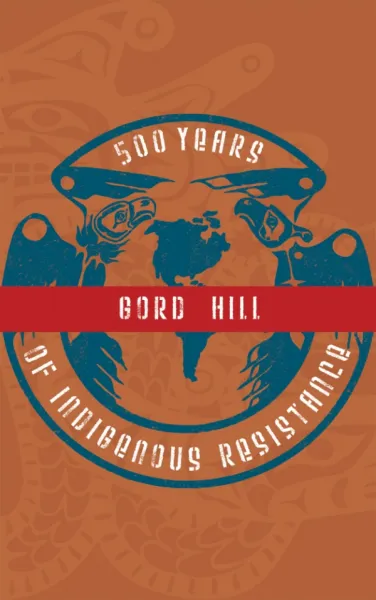
500 Years of Indigenous Resistance
This slim volume chronicles the resistance by Indigenous peoples, which limited and shaped the forms and extent of colonialism.
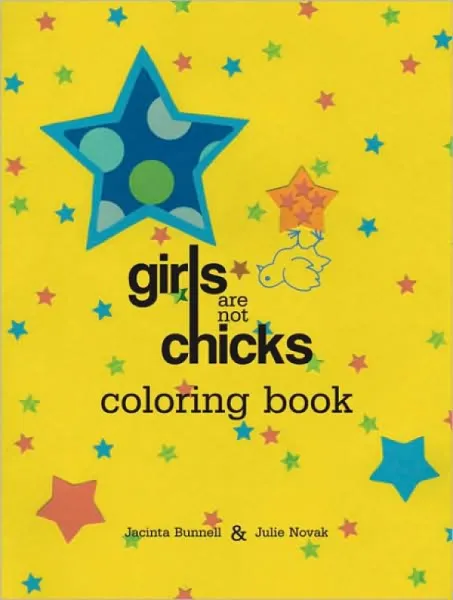
Girls Are Not Chicks Coloring Book
Girls Are Not Chicks is a subversive and playful way to examine how pervasive gender stereotypes are in every aspect of our lives.
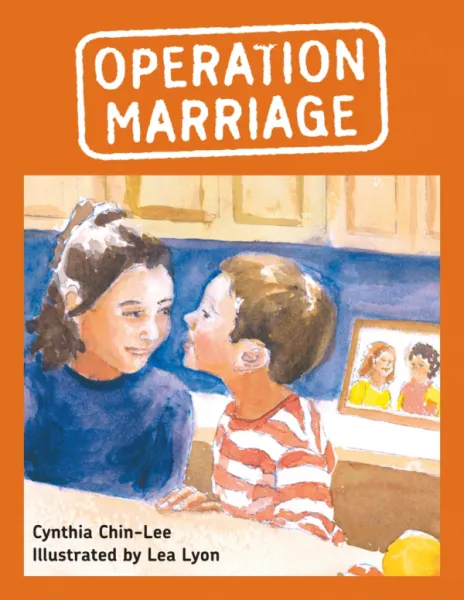
Operation Marriage
This picture book shows the heartwarming and humorous actions of Alex and her younger brother, Nicky, to convince their parents to get married before the passage of Prop 8.
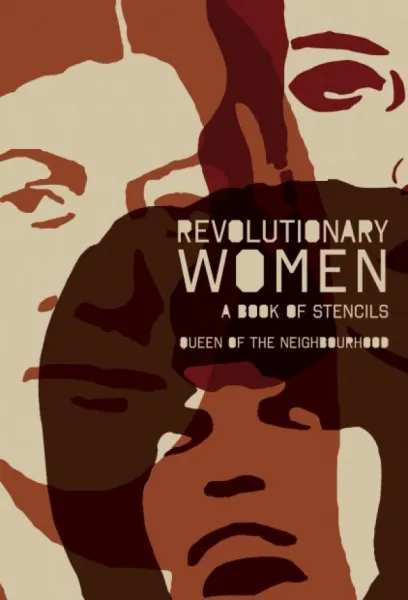
Revolutionary Women: A Book of Stencils
A radical feminist history and street art resource for inspired readers!
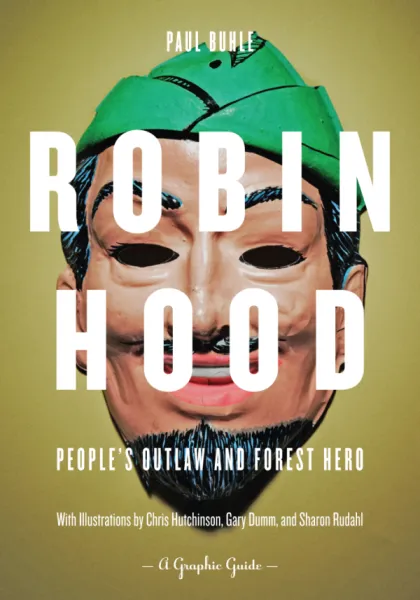
Robin Hood: People's Outlaw and Forest Hero, A Graphic Guide
Paul Buhle brings a new dimension to Robin Hood, helping to explain why an outlaw from the 14th Century is still a left wing hero today.
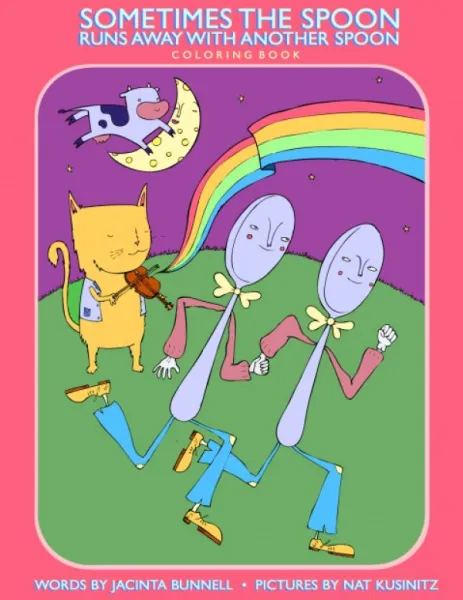
Sometimes the Spoon Runs Away with Another Spoon Coloring Book
Sometimes the Spoon... aids the work of dismantling the Princess Industrial Complex by moving us forward with more honest representations of our children and ourselves.
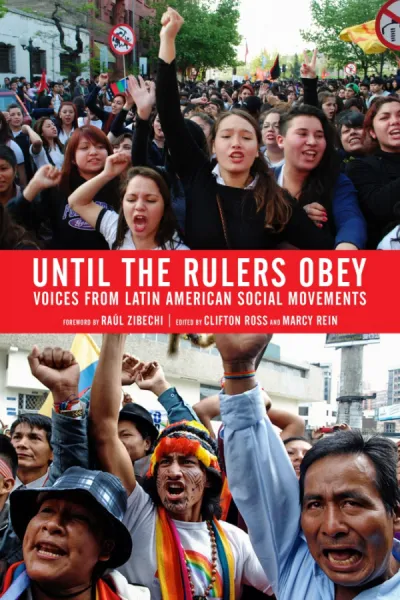
Until the Rulers Obey: Voices from Latin American Social Movements
This book brings together voices from the movements (indigenous, campesinos, students, LGBT, unemployed, etc.) behind the change that swept Latin America at the turn of the 21st century.

Wielding Words like Weapons: Selected Essays in Indigenism, 1995-2005
Wielding Words like Weapons is a collection of acclaimed American Indian Movement activist-intellectual Ward Churchill’s essays in indigenism, selected from material written during the decade 1995–2005.
Recently Viewed

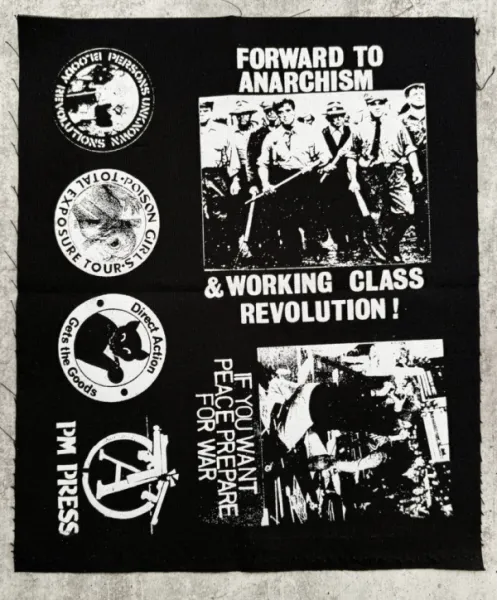
Patch Sheet 2: Forward to Anarchism and Working Class Revolution
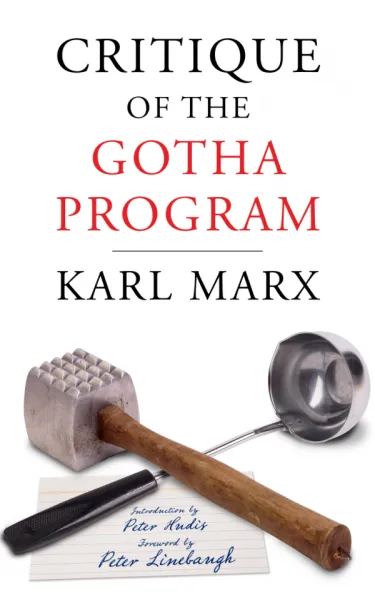
Critique of the Gotha Program
Marx's fullest elaboration of his vision for a communist future, free from the shackles of capital, but also the state.
Tom Brown's Syndicalism
Anarcho-syndicalist trade unionist, anti-fascist, engineer and founding member of the Syndicalist Workers Federation, Tom Brown presents an introduction to syndicalism, workers control and libertarian communism.