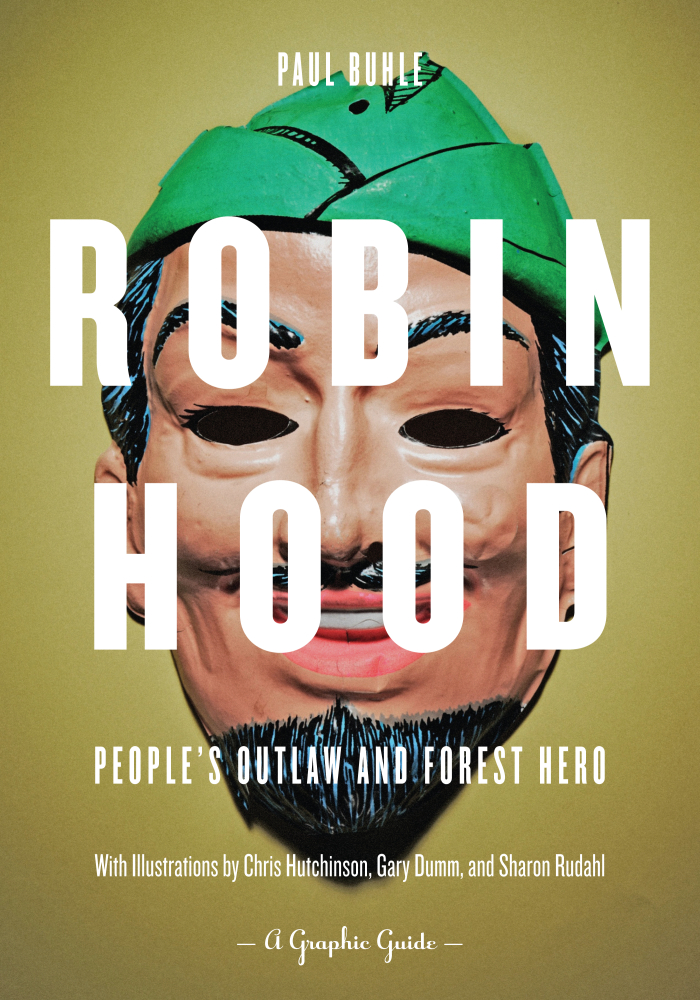
Robin Hood: People's Outlaw and Forest Hero, A Graphic Guide
Please select all options before adding to cart.
Where and what was Robin Hood? Why is an outlaw from fourteenth century England still a hero today, with films, festivals and songs dedicated to his living memory?
This book explores the mysteries, the historical evidence, and the trajectory that led to centuries of village festivals around Mayday and the green space of nature unconquered by the forces in power. Great revolutionaries including William Morris adopted Robin as hero, children’s books offered many versions, and Robin entered modern popular culture with cheap novels, silent films and comics.
There, in the world of popular culture, Robin Hood continues to holds unique and secure place. The “bad-good” hero of pulp urban fiction of the 1840s–50s, and more important, the Western outlaw who thwarts the bankers in pulps, films, and comics, is essentially Robin Hood. So are Zorro, the Cisco Kid, and countless Robin Hood knockoff characters in various media.
Robin Hood has a special resonance for leftwing influences on American popular culture in Hollywood, film and television. During the 1930s–50s, future blacklist victims devised radical plots of “people’s outlaws,” including anti-fascist guerilla fighters, climaxing in The Adventures of Robin Hood, network television 1955–58, written under cover by victims of the Blacklist, seen by more viewers than any other version of Robin Hood.
Robin Hood: People’s Outlaw and Forest Hero also features 30 pages of collages and comic art, recuperating the artistic interpretations of Robin from seven centuries, and offering new comic art as a comic-within-a book.
With text by Paul Buhle, comics and assorted drawings by Christopher Hutchinson, Gary Dumm, and Sharon Rudahl; Robin Hood: People’s Outlaw and Forest Hero adds another dimension to the history and meaning of rebellion.
Praise:
“Paul Buhle is the best informed and most sincere left-wing scholar that I know.”
—Harvey Pekar, artist
“Paul Buhle is my socialist conscience.”
—Robert Crumb, artist
About the Contributors:
Paul Buhle, founder-editor of the new left journal Radical America, is now an ex-academic, editing radical comic art books from Wisconsin. He is the authorized biographer of C.L.R. James, and a scholar of the Hollywood Blacklist, comic art, labor, and the Left.
Gary Dumm, Cleveland native and prolific comic artist, has contributed to many anthologies, is the principal artist of Students for a Democratic Society: A Graphic History and has been published in the New York Times, Entertainment Weekly, and France’s Le Monde, among other outlets.
Christopher Hutchinson, a young artist and Connecticut native, ran for Congress as a socialist in 2010.
Sharon Rudahl, erstwhile civil rights activist and artist for the antiwar movement, was a leading comix artist of the underground era. Her recent work includes Dangerous Woman: The Graphic Biography of Emma Goldman and contributions to many anthologies. She lives in Los Angeles.
See and hear author interviews, book reviews, and other news on Paul Buhle's page HERE
You May Also Like
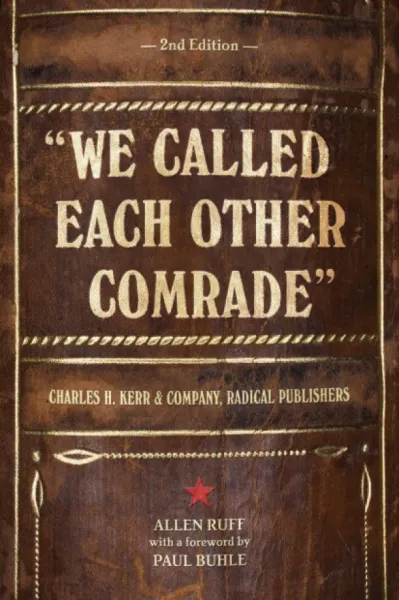
"We Called Each Other Comrade": Charles H. Kerr & Company, Radical Publishers
The history of the most significant translator, publisher, and distributor of left-wing literature in the United States.
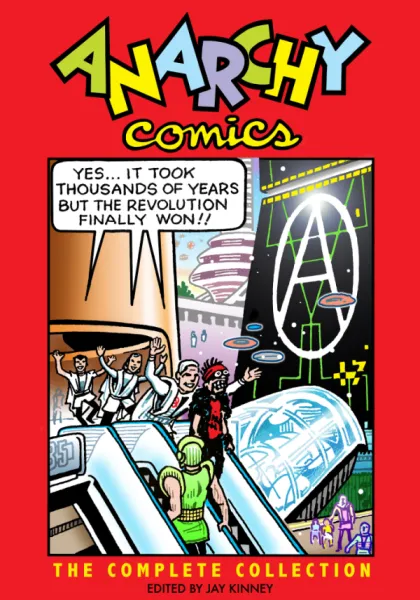
Anarchy Comics: The Complete Collection
Anarchy Comics: The Complete Collection brings together the legendary four issues of Anarchy Comics (1978-1986), the underground comic that melded anarchist politics with a punk sensibility.
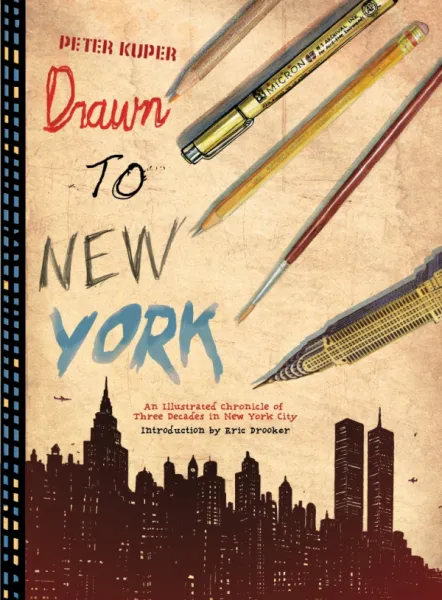
Drawn to New York: An Illustrated Chronicle of Three Decades in New York City
Drawn to New York is a reflection of one artist's thirty-four years on twelve miles of island with eight million people in a city whose story is ever being written.
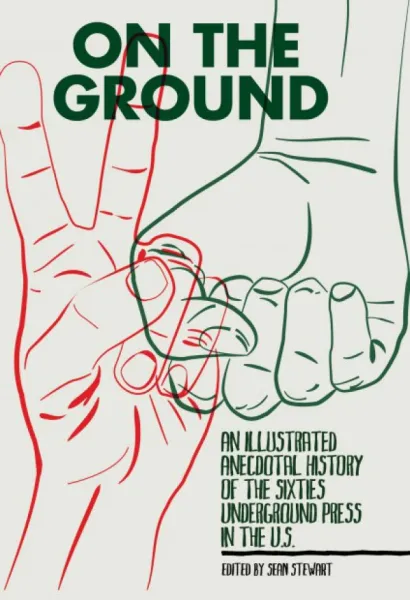
On the Ground: An Illustrated Anecdotal History of the Sixties Underground Press in the U.S.
In four short years (1965–1969), the U.S. underground press grew from five small newspapers to over 500 newspapers. Completely circumventing (and subverting) the establishment media.
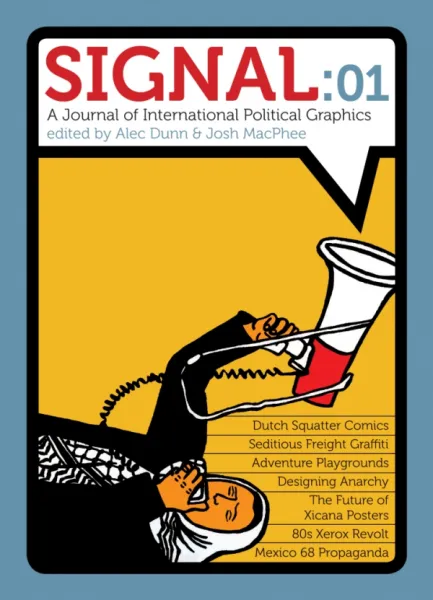
Signal 01: A Journal of International Political Graphics & Culture
Josh MacPhee and Alec Icky Dunn have complied compelling full color graphics and art of international resistance in the debut volume of Signal.
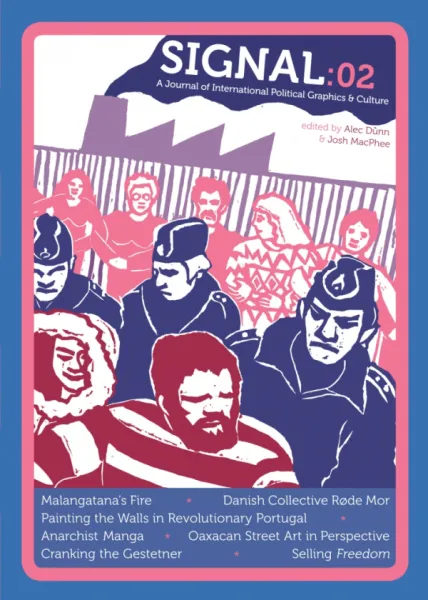
Signal 02: A Journal of International Political Graphics & Culture
A unique and irreplaceable full-color resource for activist artists and academic researchers, as well as an active forum for critique of the role of art in revolution.
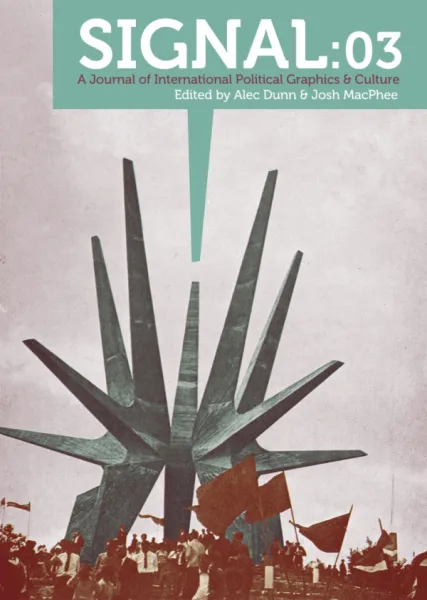
Signal 03: A Journal of International Political Graphics & Culture
There is a tendency to focus on the artwork produced within our shores or from English-speaking producers. Signal reaches beyond, bringing material from the world over.
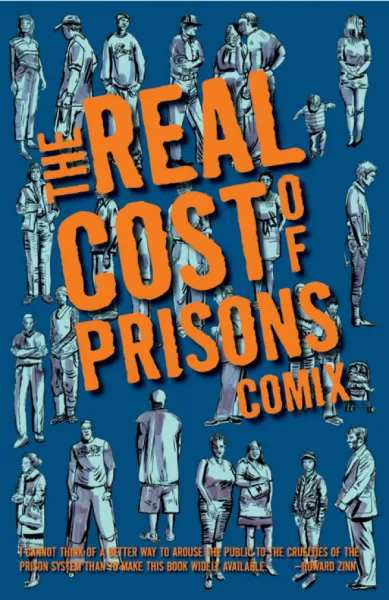
The Real Cost of Prisons Comix
One out of every hundred adults in the U.S. is in prison. This book provides a crash course in what drives mass incarceration, the human and community costs, and how to stop the numbers from going even higher.
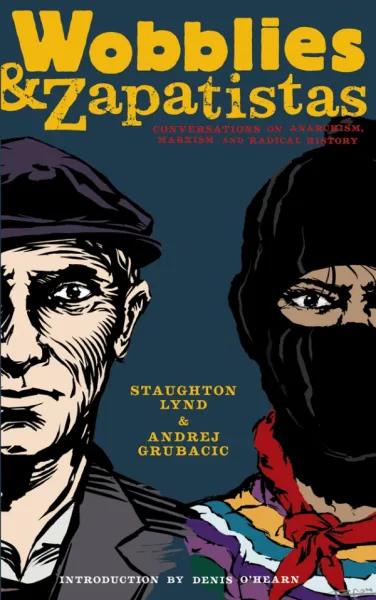
Wobblies and Zapatistas: Conversations on Anarchism, Marxism and Radical History
Wobblies and Zapatistas offers the reader an encounter between two generations and two traditions.
Recently Viewed
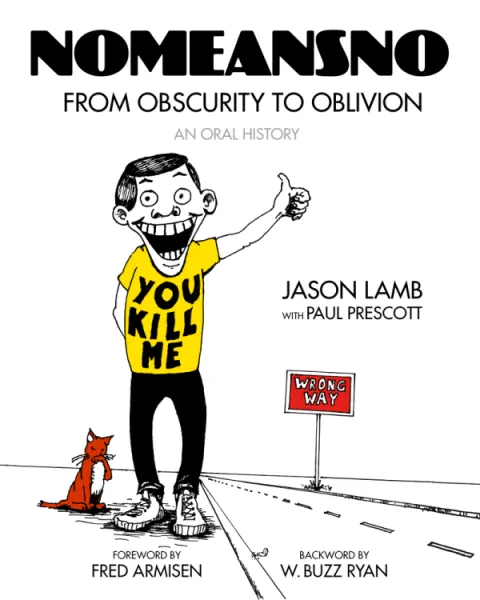
NoMeansNo: From Obscurity to Oblivion: An Oral History
The essential archive and story of NoMeansNo.