
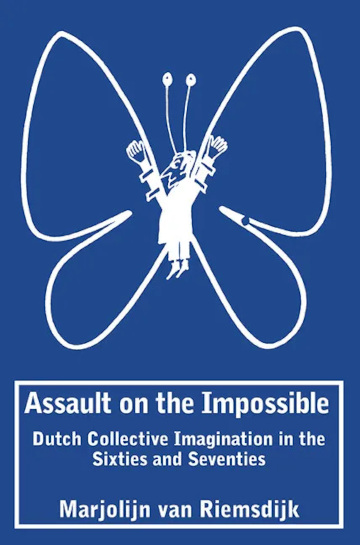
Assault on the Impossible: Dutch Collective Imagination in the Sixties and Seventies
Assault on the Impossible is the second Autonomedia title to concentrate on the Provo period in the Netherlands. The Provo movement is unique in the modern era for having radically reshaped the political foundations of an important Western nation virtually without violence. Political change is often tumultuous, but never takes place in cultural isolation. Actuating the revolutionary impulse requires activating large groups of people, generating “group minds” capable of reimagining the realities they inhabit. It requires a kind of visionary emotional adventurism able to gaze with a clear heart at impossibility.
Viewing the “historical nature” of revolutions through exclusively ideological lenses tends to miss the fact that they blaze forth from wider cultural fields, frequently ignited by the eccentric (often aesthetic) insights of a few profound aliens. Richard Kempton’s Provo: Amsterdam’s Anarchist Revolt, focused on a detailed narrative of the birth, florescence, and decline of the Provo political trajectory. Marjolijn van Riemsdijk’s Assault on the Impossible widens the field, investigating the aesthetic attitudes and ludic interventions that helped generate the group mind that drove the politics.
“Like my own community, the San Francisco Diggers, and our English counterparts spoken for by Alex Trocchi, [the radical seers in the Netherlands] felt commonly that “the coup du monde must be in the broad sense cultural.” This important book chronicles the prescience and remarkable vision of these Dutch cultural guerrillas, who had a much deeper permanent effect on their own culture than we did. I urge all those with the instincts of anarchism to read it. Those without those instincts should read it too.” — Peter Coyote, actor, author of Sleeping Where I Fall
You May Also Like
Provo: Amsterdam's Anarchist Revolt
This book narrates the rise and fall of Provo who staged political and cultural interventions into the symbolic and everyday spaces of Holland from 1962-1967.
Clearly Kabouter: Chronicle of a Radical Dutch Movement, 1969-1974
The Kabouter Movement brought many innovative ideas for a better life in Holland to public attention through exuberantly playful ways, both within and outside the City Council.
The Traffic Power Structure
The Traffic Power Structure argues for a different kind of traffic in a different kind of world.
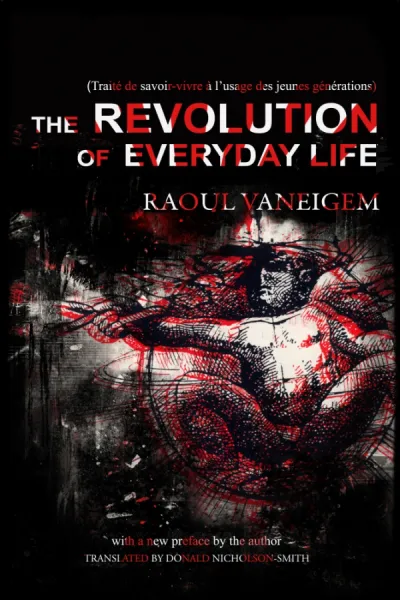
The Revolution of Everyday Life
This treatise offers a lyrical and aphoristic critique of the "society of the spectacle" from the point of view of individual experience.
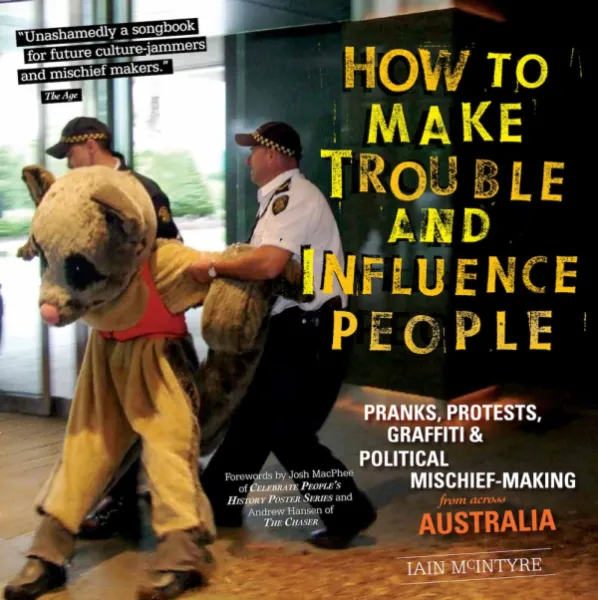
How to Make Trouble and Influence People: Pranks, Protests, Graffiti & Political Mischief-Making from across Australia
This book reveals Australia's radical past through more than 500 tales of Indigenous resistance, convict revolts and escapes, picket line hijinks, creative direct action, street art, media pranks, squatting, etc.
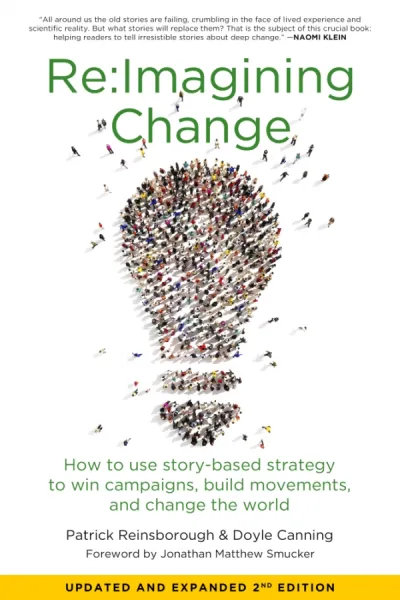
Re:Imagining Change: How to Use Story-Based Strategy to Win Campaigns, Build Movements, and Change the World, 2nd Edition
Re:Imagining Change is an inspirational inside look at the trailblazing methodology developed by the Center for Story-based Strategy over fifteen years of their movement building partnerships.
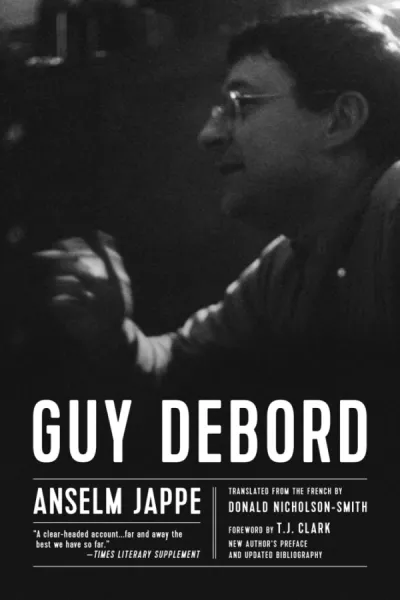
Guy Debord
This is the first and best intellectual biography of Guy Debord, prime mover of the Situationist International and author of The Society of the Spectacle.