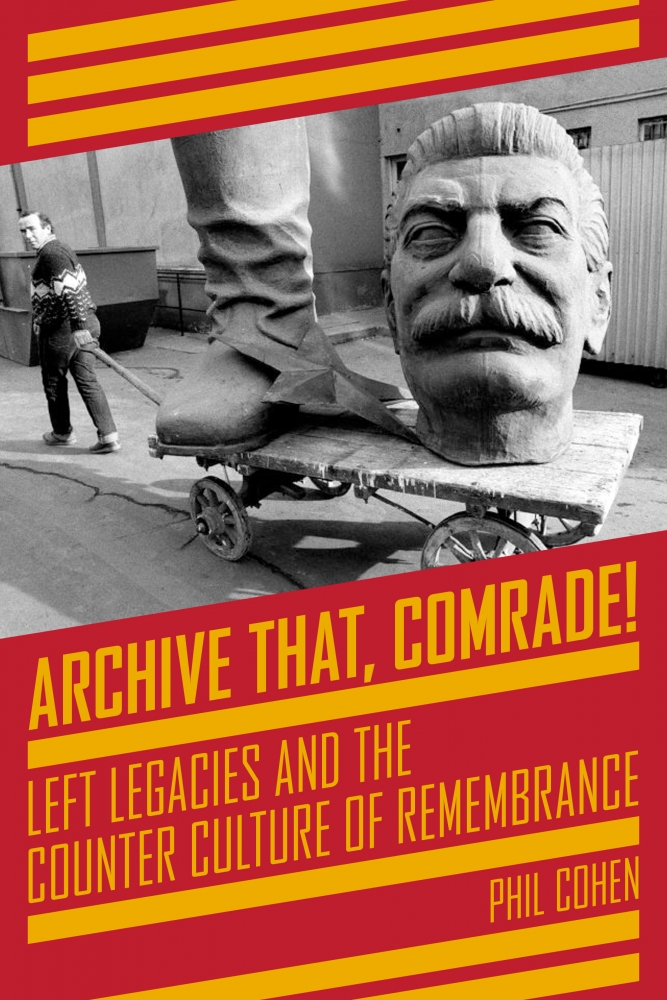
Archive That, Comrade! Left Legacies and the Counter Culture of Remembrance
Please select all options before adding to cart.
Archive That, Comrade! explores issues of archival theory and practice that arise for any project aspiring to provide an open-access platform for political dialogue and democratic debate. It is informed by the author’s experience of writing a memoir about his involvement in the London underground scene of the 1960s, the London street commune movement, and the occupation of 144 Piccadilly, an event that hit the world’s headlines for ten days in July 1969.
After a brief introduction that sets the contemporary scene of ‘archive fever,’ the book considers what the political legacy of 1960s counter culture reveals about the process of commemoration. The argument then opens out to discuss the notion of historical legacy and its role in the ‘dialectic of generations’. How far can the archive serve as a platform for dialogue and debate between different generations of activists in a culture that fetishises the evanescent present, practices a profound amnesia about its past, and forecloses the sociological imagination of an alternative future? The following section looks at the emergence of a complex apparatus of public fame and celebrity around the spectacle of dissidence and considers whether the Left has subverted or merely mirrored the dominant forms of reputation-making and public recognition. Can the Left establish its own autonomous model of commemoration?
The final section takes up the challenge of outlining a model for the democratic archive as a revisionary project, creating a resource for building collective capacity to sustain struggles of long duration. A postscript examines how archival strategies of the alt-right have intervened at this juncture to elaborate a politics of false memory.
Praise:
“Has the Left got a past? And if so, is that past best forgotten? Who was it who said, ‘Let the dead bury their dead’? Phil Cohen’s book is a searing meditation on the politics of memory, written by someone for whom ‘the ’60s’ are still alive–and therefore horrible, unfinished, unforgivable, tremendous, undead. His book brings back to life the William Faulkner cliché. The past for Cohen is neither dead nor alive. It’s not even past, more’s the pity.”
—T.J. Clark, author of The Sight of Death
“This is Phil Cohen, the irrepressible agent provocateur, at his majestic, top-ranking best: reminiscing, time-travelling, subverting easy nostrums too many of us buy into without a second’s thought. With much care and beauty he explores how we have it within us to make the past live, looking all the while to the future. There is darkness here, but so too a tough intelligence. The street communard comes of age. But not too much.”
—Bill Schwarz, author of Memories of Empire
“In examining past, present, and potential in archival practice and theory, Phil Cohen draws on his own activist past and the history of left politics since the 1960s, especially but not only in the UK, and brings to bear theories and arguments from a wide range of European thought. Politics and the personal weave in a continuing dance as he tells stories, classifies and analyses, and asks questions about what people remember and forget.”
—Anna Davin, History Workshop Journal
About the Author:
Phil Cohen played a key role in the London counter culture scene of the 1960s. As “Dr John” he was the public face of the London street commune movement and the occupation of 144 Piccadilly in July 1969. He subsequently became an urban ethnographer, and for the past forty years he has been involved with working-class communities in East London documenting the impact of structural and demographic change on their livelihoods, lifestyles, and life stories. Currently he is research director of Livingmaps, a network of activists, artists, and academics developing a creative and critical approach to social mapping. He is also a professor emeritus at the University of East London and a research fellow of the Young Foundation.
See and hear author interviews, book reviews, and other news on Phil Cohen’s page HERE
You May Also Like
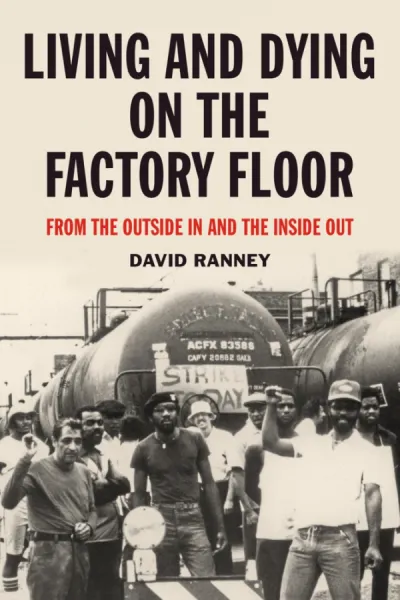
Living and Dying on the Factory Floor: From the Outside In and the Inside Out
David Ranney’s vivid memoir describes his work experiences between 1976 and 1982 in the factories of southeast Chicago and northwest Indiana.
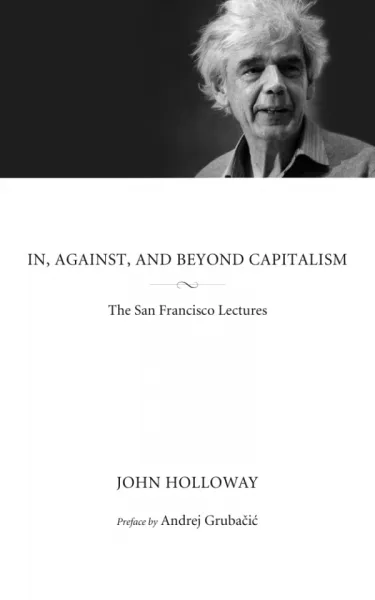
In, Against, and Beyond Capitalism: The San Francisco Lectures
Based on three recent lectures that focus on what anticapitalist revolution can mean today—after the historic failure of the idea that the conquest of state power was the key to radical change.
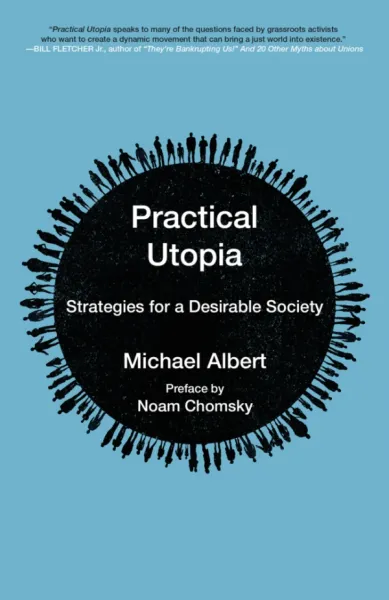
Practical Utopia: Strategies for a Desirable Society
Practical Utopia is a succinct and thoughtful discussion of ambitious goals and practical principles for creating a desirable society.
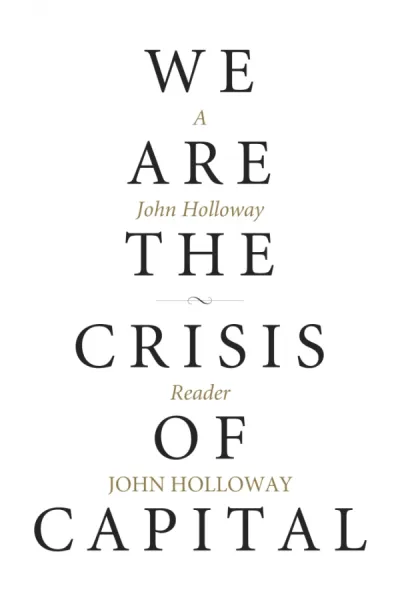
We Are the Crisis of Capital: A John Holloway Reader
We Are the Crisis of Capital collects articles and excerpts written by radical academic, theorist, and activist John Holloway over a period of forty years.
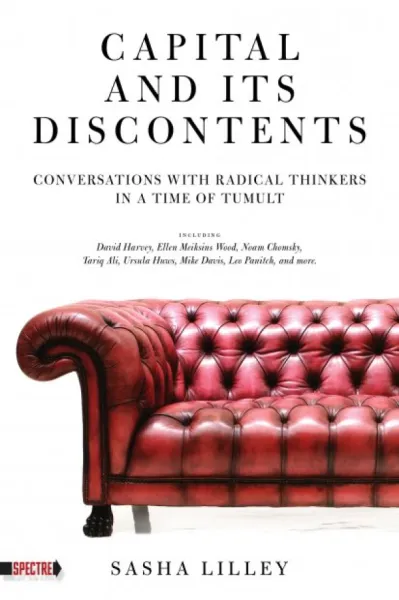
Capital and Its Discontents: Conversations with Radical Thinkers in a Time of Tumult
A series of incisive conversations with some of the most eminent thinkers and political economists on the Left--including David Harvey, Ellen Meiksins Wood, Mike Davis, Leo Panitch, Noam Chomsky, and Tariq Ali.
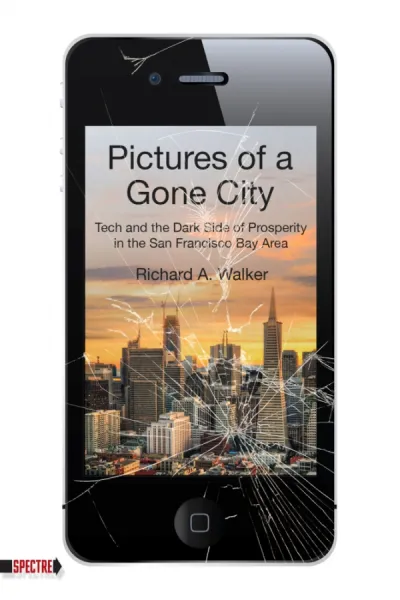
Pictures of a Gone City: Tech and the Dark Side of Prosperity in the San Francisco Bay Area
This sweeping account of the Bay Area in the age of the tech boom covers many bases.
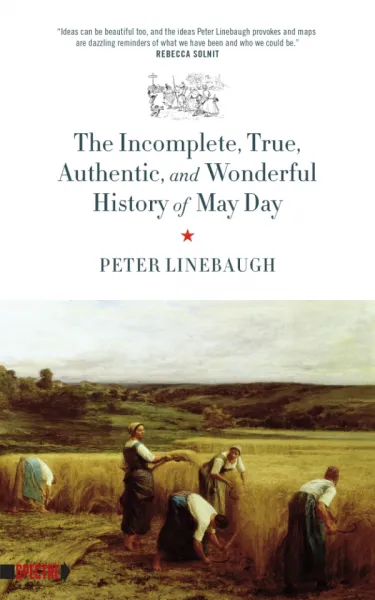
The Incomplete, True, Authentic, and Wonderful History of May Day
A compendium of reflections on the occasion of May 1st. The book is a reminder of the potentialities of the future, for the coming of a time when the powerful will fall, the commons restored, and a better world born anew.