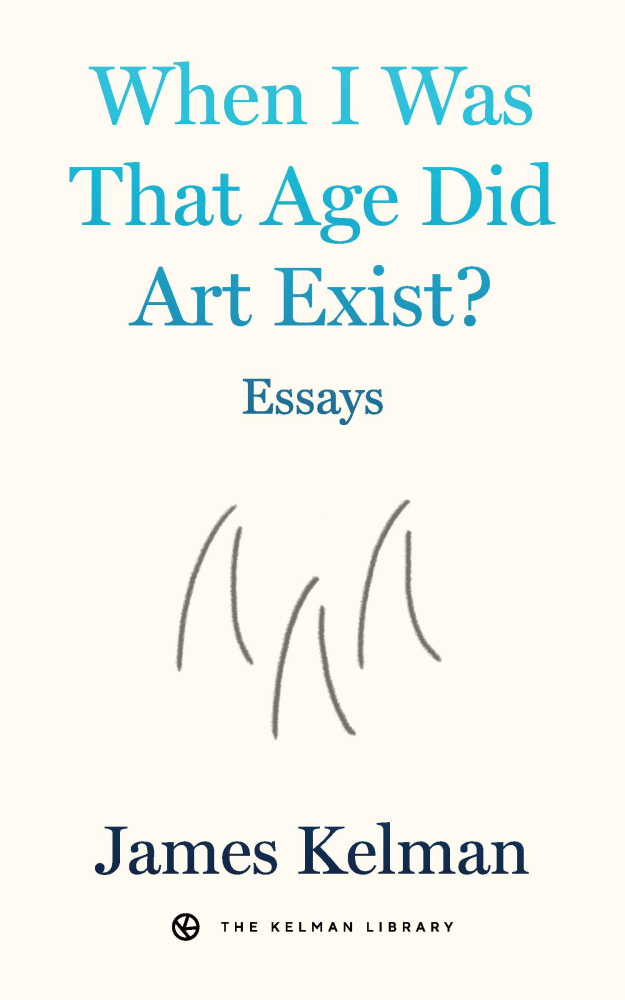
When I Was That Age Did Art Exist?
Please select all options before adding to cart.
Pre-order. This is not in stock yet. It ships when it arrives, and anything else you order with it may be sent separately.
Available for preorder.
This is a big bundle of essays and written talks, put down over a long number of years: Kelman hopes some of them make you smile.
James Kelman began as a writer of fiction and became a writer of nonfiction in the bargain. He had a short story set for his first ever publication that the printer refused to print on the grounds of "blasphemy." He searched the story for this "blasphemy" but couldn't find any. He solved the problem by submitting a different story. In the years to follow the hostility didn't vanish. He began to challenge, saying what he thought and why he thought it. Defending is a drain on one's energy. But when attacked directly it is hard to walk on.
This collection of twenty-four essays—personal, political, and in between—tells the intertwined tales of art, literature, history, culture, and life. They look and question not through an academic lens of literary theory and the great traditions but through lived experience and resistance to the status quo. From class, ethnicity, and other borders to one's ability as a writer to earn a living, or not, in order to survive in the drudgery of capitalism. And therefore, whose stories do we experience? Can we see ourselves in them? What is lost or hidden?
Amidst these questions are glimpses into the life of an artist and the connections made. Weaving stories of childhood, the importance of bookshops, to the people met along the way that make a world whole.
Praise
“James Kelman is an extraordinary writer—smart and incisive, witty and warm, with prose so alive it practically sparks off the page.”
—Molly Antopol, author of The Unamericans
“Probably the most influential novelist of the post-war period.”
—The Times
“Kelman has the knack, maybe more than anyone since Joyce, of fixing in his writing the lyricism of ordinary people’s speech … Pure aesthete, undaunted democrat—somehow Kelman manages to reconcile his two halves.”
—Esquire (London)
“A true original … A real artist … it’s now very difficult to see which of his peers can seriously be ranked alongside [Kelman] without ironic eyebrows being raised.”
—Irvine Welsh, Guardian
“A writer of world stature, a 21st century Modern.”
—The Scotsman
“The real reason Kelman, despite his stature and reputation, remains something of a literary outsider is not, I suspect, so much that great, radical Modernist writers aren’t supposed to come from working-class Glasgow, as that great, radical Modernist writers are supposed to be dead. Dead, and wrapped up in a Penguin Classic: that’s when it’s safe to regret that their work was underappreciated or misunderstood (or how little they were paid) in their lifetimes. You can write what you like about Beckett or Kafka and know they’re not going to come round and tell you you’re talking nonsense, or confound your expectations with a new work. Kelman is still alive, still writing great books, climbing.”
—James Meek, London Review of Books
“The greatest living British novelist.”
—Amit Chaudhuri, author of A New World, Frieze Magazine
“What an enviably, devilishly wonderful writer is James Kelman.”
—John Hawkes, author of The Blood Oranges
About the Author
James Kelman was born in Glasgow, June 1946, and left school in 1961. He began work in the printing trade then moved around, working in various jobs in various places. He was living in England when he started writing: ramblings, musings, sundry phantasmagoria. He committed to it and kept at it. In 1969 he met and married Marie Connors from South Wales. They settled in Glasgow and still live in the dump, not far from their kids and grandkids. He still plugs away at the ramblings, musings, politicking and so on, supported by the same lady.
You May Also Like
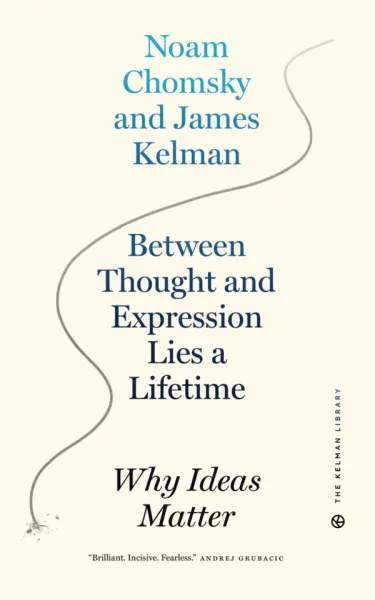
Between Thought and Expression Lies a Lifetime: Why Ideas Matter
The State relies on our suffocation, that we cannot hope to learn “the truth.” But whether we can or not is beside “the point.” Finally, there is no “point.” We must grasp the nettle, we assume control.
Every Fire Needs a Little Bit of Help: A Decade of Rebellion, Reaction, and Morbid Symptoms
A decade of American society coming apart.
Front Lines: A Lifetime of Drawing Resistance
This book is a blueprint for artists looking to engage with activist movements with a persistent longevity and a reminder that art has the power to be more dangerous than words.
Surrealism, Bugs Bunny, and the Blues: Selected Writings on Popular Culture
Rediscover the most insightful and incendiary cultural commentaries from a leading figure in the revival of Surrealism.
The State Is the Enemy: Essays on Liberation and Racial Justice
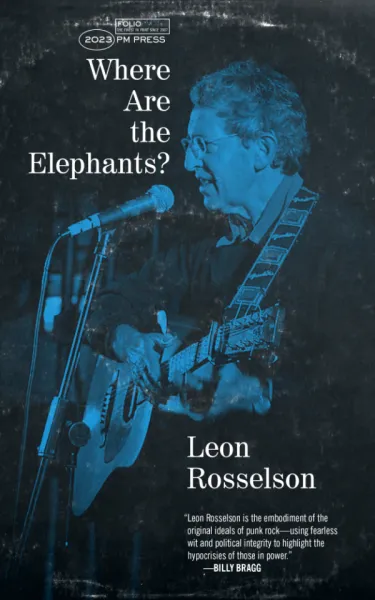
Where Are the Elephants?
Fierce and funny, this memoir in essay and song is full of wonderful tales of art and protest.
Recently Viewed
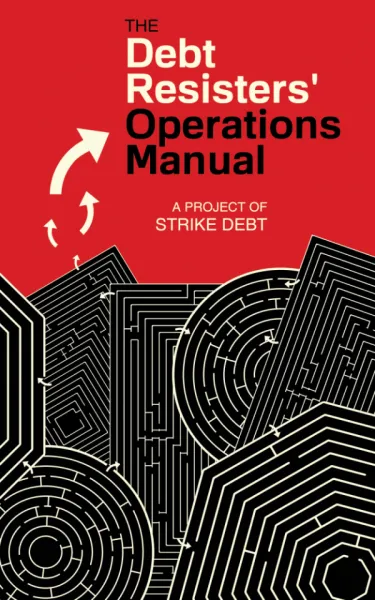
The Debt Resisters' Operations Manual
The Debt Resisters' Operations Manual is a handbook for debtors everywhere to understand how this system really works, while providing practical tools for fighting debt in its most exploitative forms.
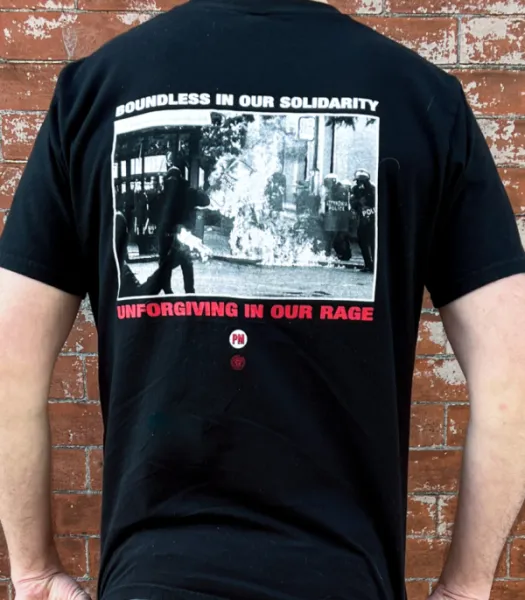
Another War Is Possible T-shirt