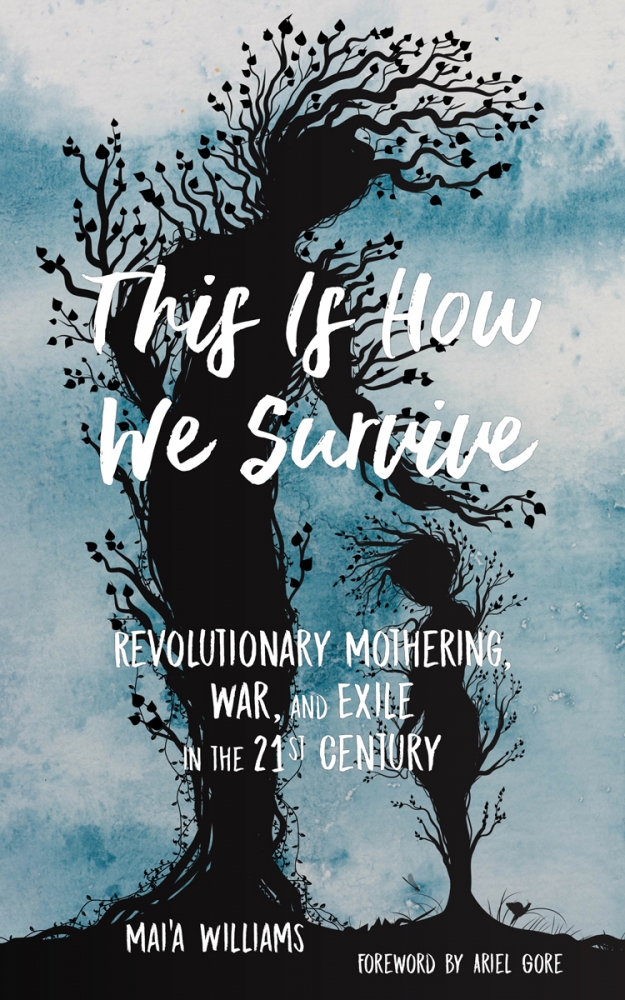
This Is How We Survive: Revolutionary Mothering, War, and Exile in the 21st Century
Please select all options before adding to cart.
In This Is How We Survive: Revolutionary Mothering, War, and Exile in the 21st Century, Mai’a Williams shares her experiences working in conflict zones and with liberatory resistance communities as a journalist, human rights worker, and midwife in Palestine, Egypt, Chiapas, Berlin, and the U.S., while mothering her young daughter Aza.
She first went to Palestine in 2003 during the Second Intifada to support Palestinians resisting the Israeli occupation. In 2006, she became pregnant in Bethlehem, West Bank. By the time her daughter was three years old, they had already celebrated with Zapatista women in southern Mexico and survived Israeli detention, and during the 2011 Arab Spring they were in the streets of Cairo protesting the Mubarak dictatorship. She watched the Egyptian revolution fall apart and escaped the violence, like many of her Arab comrades, by moving to Europe. Three years later, she and Aza were camping at Standing Rock in protest of the Dakota Access Pipeline and co-creating revolutionary mothering communities once again.
This is a story about mothers who are doing the work of deep social transformation by creating the networks of care that sustain movements and revolutions. By centering mothers in our organizing work, we center those who have the skills and the experience of creating and sustaining life on this planet. This Is How We Survive illuminates how mothering is a practice essential to the work of revolution. It explores the heartbreak of revolutionary movements falling apart and revolutionaries scattering across the globe into exile. And most importantly, how mamas create, no matter the conditions, the resilience to continue doing revolutionary work.
Praise:
“Mai’a’s ongoing journey is about mothering as a daily revolution, brought into focus by living and loving at major revolutionary sites of our contemporary world. From Palestine to Egypt, Chiapas, Berlin, and especially the U.S. Midwest, Mai’a shares her experiences of navigating the intimate intergenerational impact of a constant state of political and personal war with detail and a crucial side-eye. This book is an opportunity to see the life you are living, and lives you would never see otherwise, in new and interconnected ways.”
—Alexis Pauline Gumbs, author of M Archive: After the End of the World
“This is How We Survive redefines revolution beyond the headline grabbing events to the everyday resilience of families living under ever-present threats of bombings, assaults, arrests and disappearances. This book will push you to expand and reimagine your definitions and ideas of revolution.”
—Victoria Law, author of Resistance Behind Bars
“Magical, poetic, adventurous, eye-opening tales of global community organizing and resistance. Mai’a breaks the hold of American mind control, despair, and isolation with tales of gatherings around the world of everyday revolutionaries who do not have the privilege to decide whether or not to engage or fight for their lives.”
—China Martens, author of The Future Generation: The Zine-Book for Subculture Parents, Kids, Friends & Others
“I drank down Mai’a Williams’ This Is How We Survive like a glass of delicious water hitting me where I was the most thirsty. Williams gives us the story we’ve been waiting for and deeply needing, about the ways Black, Indigenous, and Brown women and mothers across the globe birth freedom struggle as they open their homes, hold late-night cigarette conversations, and insist that everyone be present to the work of liberation. Her work, and her life’s story, is crucial to what will bring us home.”
—Leah Lakshmi Piepzna-Samarasinha, writer and organizer, author of Dirty River: A Queer Femme of Color Dreaming Her Way Home
“In reading the work of Mai’a Williams, it’s hard not to be excited by the sense of possibility.”
—Hip Mama
“The book is a necessary reminder that beyond the headlines, position papers, and generalizations made about mothers are voices from the front lines that we all need to hear.”
—The Nation on Revolutionary Mothering
About the Contributors:
Mai’a Williams is a writer, visual artist, and birth worker and has worked and lived in Mexico, Palestine, east Africa, Egypt, Germany, Ecuador, and the U.S. She coedited the anthology Revolutionary Mothering: Love on the Front Lines and is the author of two books of poetry, No God but Ghosts and Monsters and Other Silent Creatures.
Ariel Gore is the founding editor of Hip Mama and the author of ten books of fiction and nonfiction including the critically acclaimed novel We Were Witches. She has won an American Alternative Press Award, the LAMBDA, the Rainbow Book Award, and an Arizona–New Mexico Book Award. Her writing has appeared in hundreds of publications including the Rumpus, Psychology Today, and the San Francisco Chronicle.
See and hear author interviews, book reviews, and other news on Mai'a Williams's page HERE
You May Also Like
Raising Free People: Unschooling as Liberation and Healing Work
Revolutionary Mothering: Love on the Front Lines
Inspired by the legacy of radical and queer black feminists of the 1970s and ‘80s, this anthology centers around mothers of color and marginalized mothers' voices.
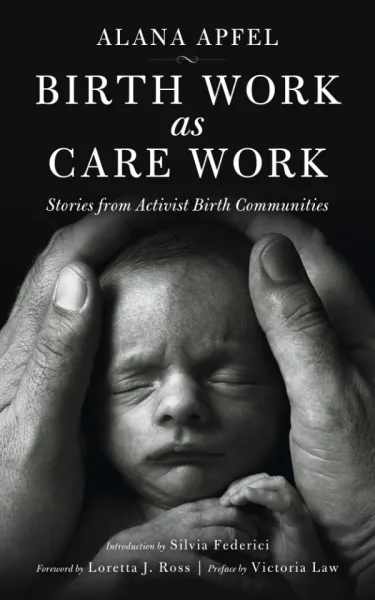
Birth Work as Care Work: Stories from Activist Birth Communities
Birth Work as Care Work presents a vibrant collection of stories and insights from the front lines of birth activist communities.
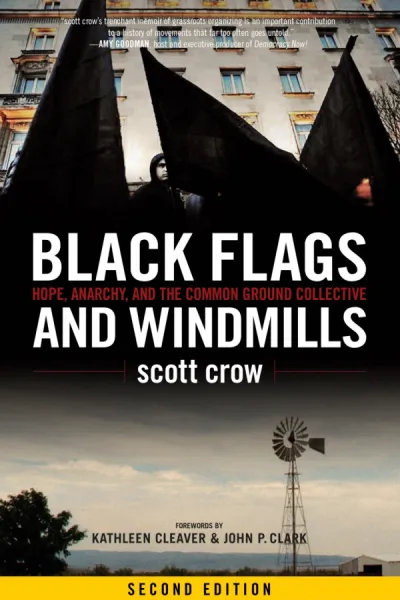
Black Flags and Windmills: Hope, Anarchy, and the Common Ground Collective, Second Edition
A memoir of resisting indifference, rebuilding hope amid collapse, and struggling against the grain. This edition includes new discussions on disaster relief, infiltration and surveillance from the State, and new photos.
Braided Lives
Marge Piercy turns her considerable skill and passion to the Fifties in this portrait of women in transition from repression to freedom. This new edition features a new introduction by the author.
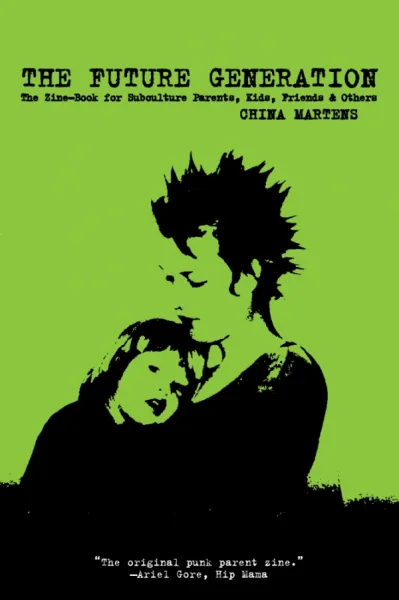
The Future Generation: The Zine-Book for Subculture Parents, Kids, Friends & Others
A timeless resource for parents, caregivers, and those who care about them. First published in the '90s, the essays and observations—about parenting, children, and surviving a hostile political climate—still ring true.
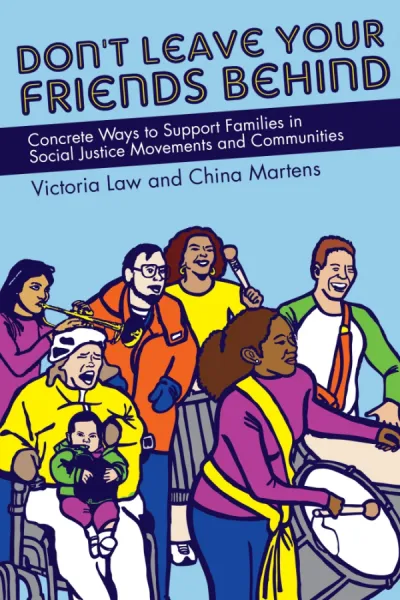
Don't Leave Your Friends Behind: Concrete Ways to Support Families in Social Justice Movements and Communities
Don't Leave Your Friends Behind focuses on issues affecting children and caregivers within the larger framework of social justice, mutual aid, and collective liberation.
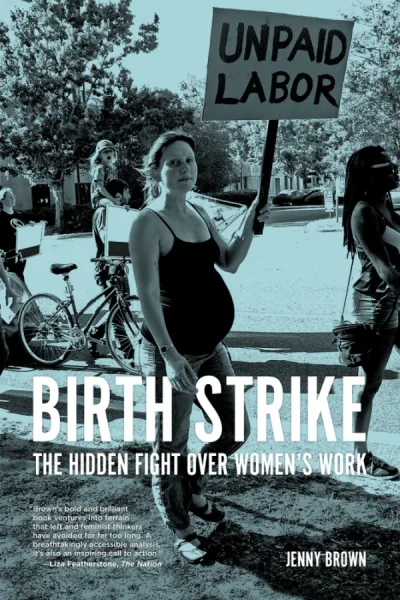
Birth Strike: The Hidden Fight over Women's Work
In the U.S., women have not yet realized their potential bargaining position. When they do, it will lead to new strategies for winning full access to abortion and birth control, and for improved working conditions for parents.
Recently Viewed

Bullet Points and Punch Lines: The Most Important Commentary Ever Written on the Epic American Tragicomedy
Camp knifes his way through the jungle of fake news, alternative facts, mainstream media lies, and government blackouts.
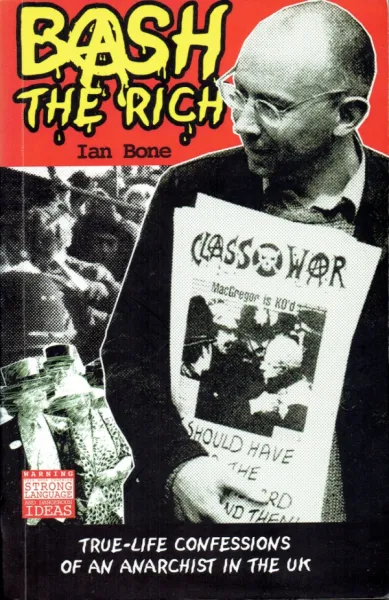
Bash the Rich: True-life Confessions of an Anarchist in the UK
Ian Bone breaks his silence as one of the founders of the Class War movement and a leading militant anarchist in the UK.
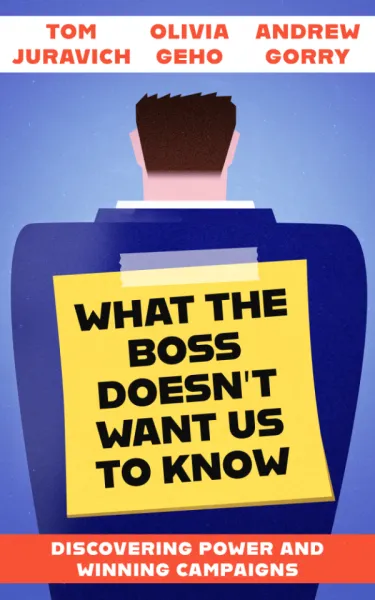
What the Boss Doesn't Want Us to Know: Discovering Power and Winning Campaigns
After the labor movement faded away in the lives of most Americans, organizing is back!