
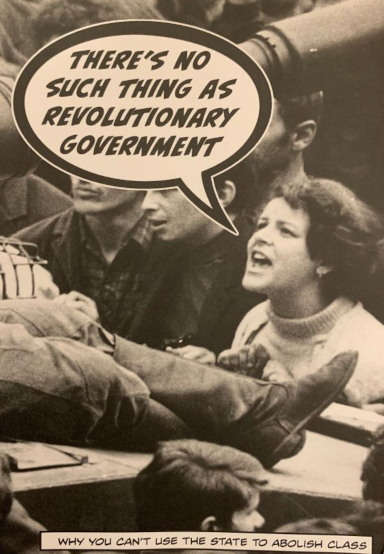
There’s No Such Thing as Revolutionary Government (A6)
Emma Goldman knew it. Mikhail Bakunin warned everyone about it half a century before the Russian Revolution. Veterans of the Black Panther Party and Black Liberation Army Ashanti Alston and Kuwasi Balagoon drew the same conclusion. There’s no such thing as revolutionary government. You can’t use the instruments of government to abolish oppression.
Since the mid-19th century, anarchists have maintained that the key to liberation is not to seize the state but to abolish it. Yet from Paris to St. Petersburg, from Barcelona to Beijing, one generation of revolutionaries after another has had to learn this lesson the hard way. Shuffling politicians in and out of power changes little. What matters are the instruments of rule—the police, the military, the courts, the prison system, the bureaucracy. Whether it is a king, a dictator, or a Congress that directs these instruments, the experience on the receiving end remains roughly the same.
This explains why the outcome of the Egyptian Revolution of 2011-2013 resembles the outcome of the Russian Revolution of 1917-1921, which resembles the outcome of the French Revolution of 1848-1851. In each case, as soon as the people who made the revolution stopped attempting to carry out social change directly and shifted to investing their hopes in political representatives, power consolidated in the hands of a new autocracy. Whether the new tyrants hailed from the military, the aristocracy, or the working class, whether they promised to restore order or to personify the power of the proletariat, the end result was roughly the same.
You May Also Like
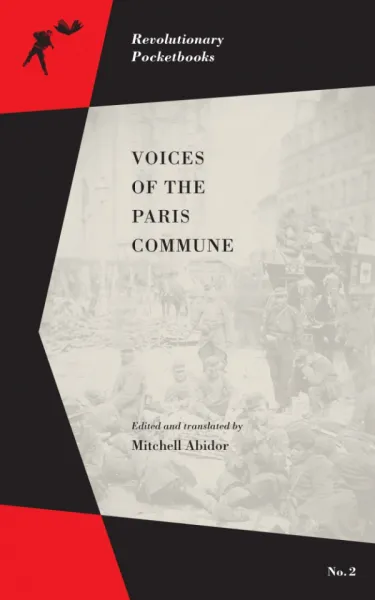
Voices of the Paris Commune
Voices of the Paris Commune presents the stories of those who lived through and participated in the Commune in the spring of 1871.
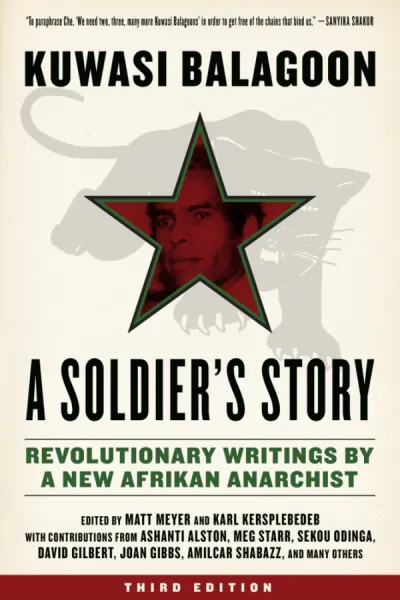
A Soldier's Story: Revolutionary Writings by a New Afrikan Anarchist, Third Edition
Balagoon combined anarchism with Black nationalism, broke the rules of sexual and political conformity, and took up arms against the white-supremacist state.
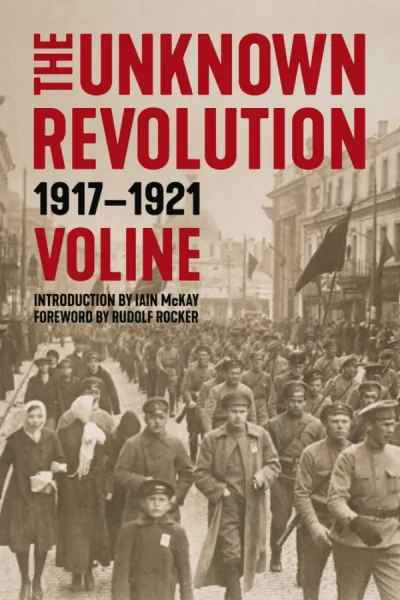
The Unknown Revolution: 1917-1921
A translation of the full text of La Révolution inconnue. It reinstates material omitted from earlier editions and reproduces the complete text of the original volumes.
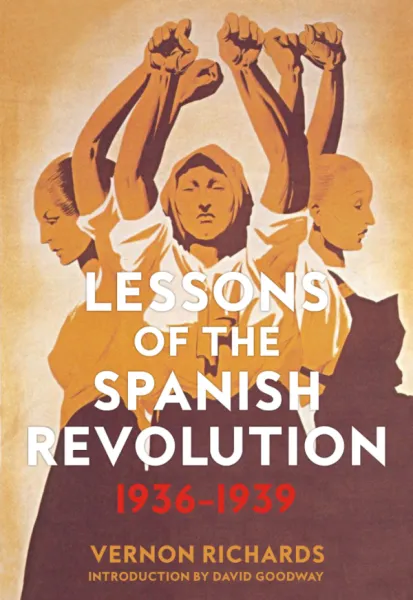
Lessons of the Spanish Revolution: 1936-1939
Originally written as a series of weekly articles in the 1950s and expanded and republished over the years, this analysis remains essential reading for all those interested in revolutionary praxis.
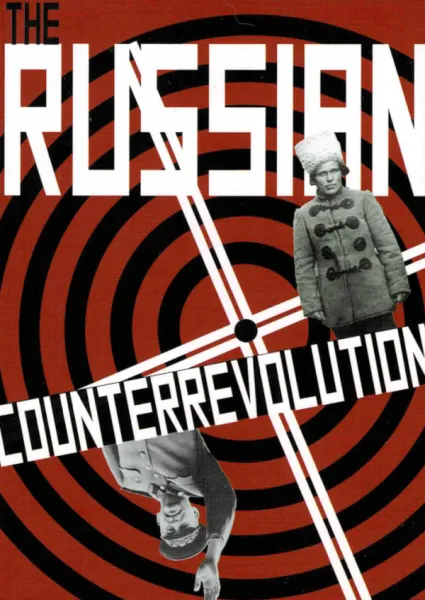
The Russian Counterrevolution (A6)
A pocket book description of the attacks by the Bolshevik state against the revolutionaries and people of Russia and a look at the anarchists of the time.
Anarchist Critique of Radical Democracy: The Impossible Argument, Second Edition
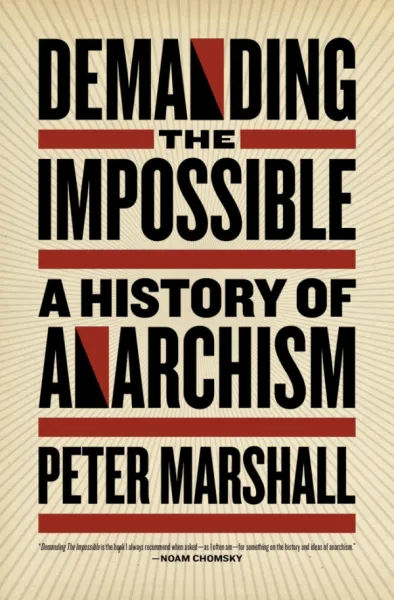
Demanding the Impossible: A History of Anarchism
Navigating the broad "river of anarchy," from Taoism to Situationism, from anarcho-syndicalists to anarcha-feminists, this volume is an authoritative and lively study of a widely misunderstood subject.
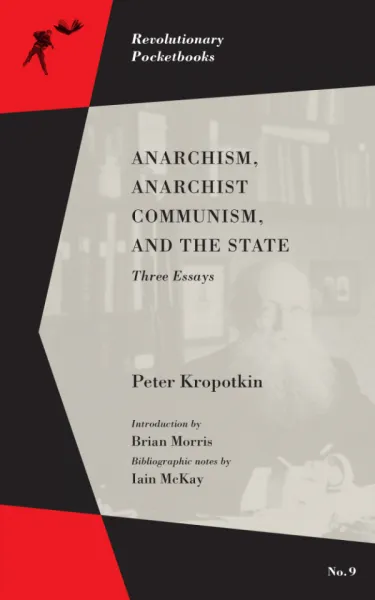
Anarchism, Anarchist Communism, and The State: Three Essays
This collection contextualises and contemporises three of Kropotkin’s most influential essays.