
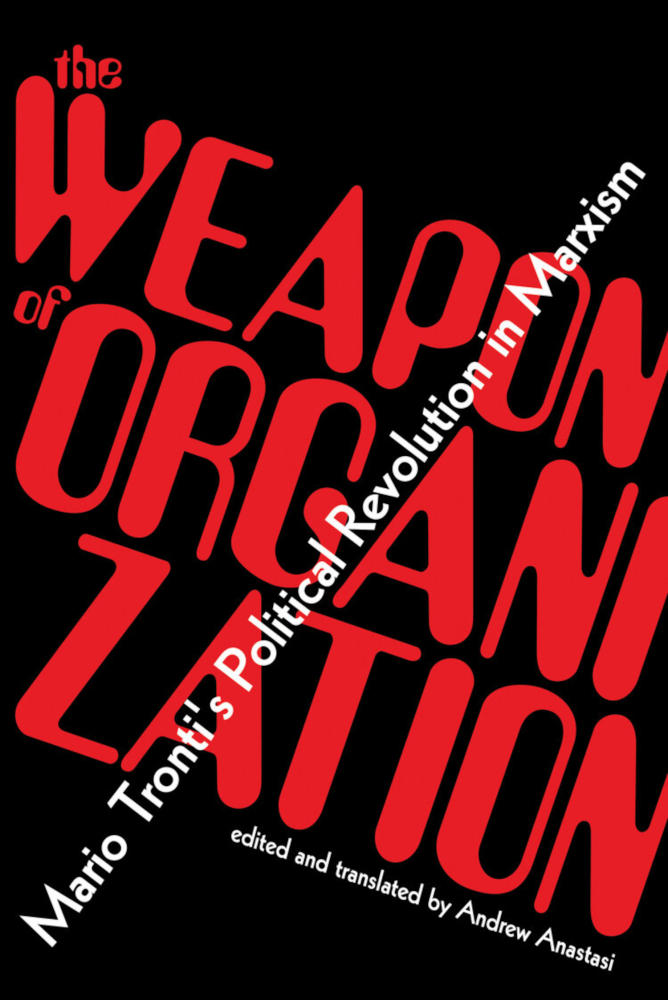
The Weapon of Organization
Mario Tronti was the principal theorist of the radical political movement of the 1960s known in Italy as operaismo and in the Anglophone world as Italian workerism, a current which went on to inform the development of autonomist Marxism. His “Copernican revolution”—the proposal that working class struggles against exploitation propel capitalist development, which can only be understood as a reaction that seeks to harness this antagonism—has inspired dissident leftists around the world.
Tronti’s influence as a theorist thus already reaches far beyond Italy to activists and writers working in different sectors on different problems historically and geographically. While his imposing and acclaimed Workers and Capital has only recently appeared in English translation, Tronti has influenced many of the most creative social and political theorists of our time.
Antonio Negri and Michael Hardt have long acknowledged the influence of Tronti on their thinking, drawing especially on his inversion of strategy and tactics in their influential collaborations. Tronti’s work in the 1960s also furnished important building blocks for a Marxist feminist critique of unwaged labor—as developed by Mariarosa dalla Costa, Silvia Federici, and many others working on social reproduction theory—as Tronti showed how capitalist control extends beyond the factory to all of society. Fred Moten and Stefano Harney have echoed Tronti’s calls for a radical antagonism “within and against” institutions and the state.
The Weapon of Organization is a crucial introduction to Tronti, presenting a variety of never-before-translated texts—personal letters, public talks, published articles. With an incisive and provocative introduction that situates Tronti and highlights his relevance to contemporary political struggle, Anastasi translates and restores key writing from the birth of Italian operaismo—days of street fighting and theorizing for a renewed age of revolution. Tronti’s goal, Anastasi writes, was not to become a revered thinker but to participate in the destruction of capitalist society.
You May Also Like
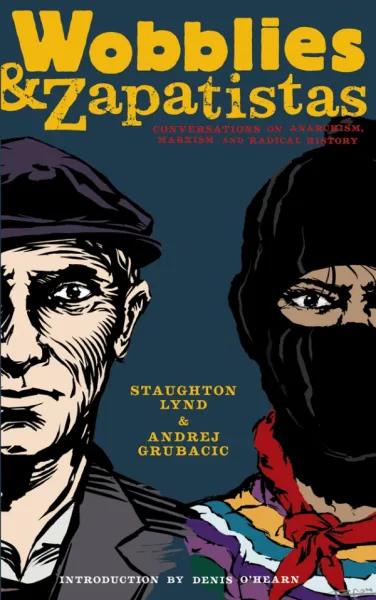
Wobblies and Zapatistas: Conversations on Anarchism, Marxism and Radical History
Wobblies and Zapatistas offers the reader an encounter between two generations and two traditions.

The Incomplete, True, Authentic, and Wonderful History of May Day
A compendium of reflections on the occasion of May 1st. The book is a reminder of the potentialities of the future, for the coming of a time when the powerful will fall, the commons restored, and a better world born anew.

Patriarchy of the Wage: Notes on Marx, Gender, and Feminism
More than just a redefinition of classical Marxism. It is an urgent call for a new kind of radical politics.
Revolutionary Affinities: Toward a Marxist Anarchist Solidarity
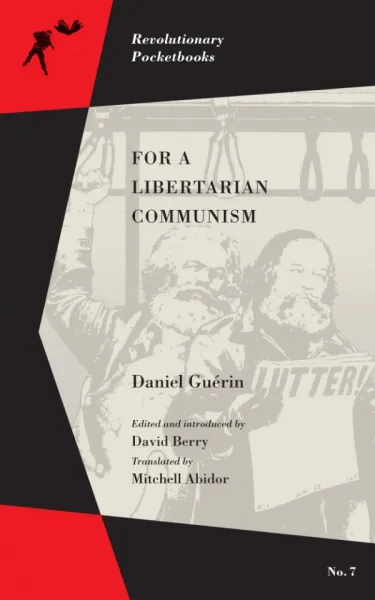
For a Libertarian Communism
Guérin not only provides a critique of the socialist and communist parties of his day, he analyzes some of the most fundamental and pressing questions with which all radicals must engage.
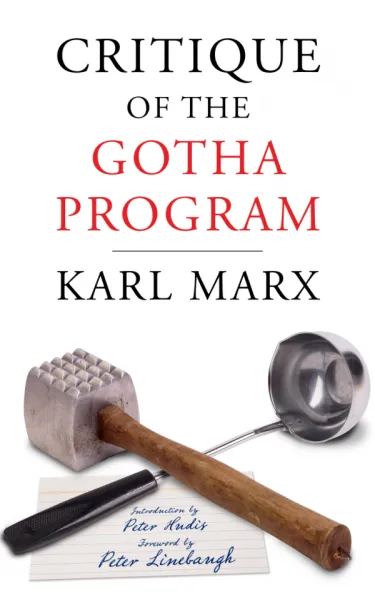
Critique of the Gotha Program
Marx's fullest elaboration of his vision for a communist future, free from the shackles of capital, but also the state.
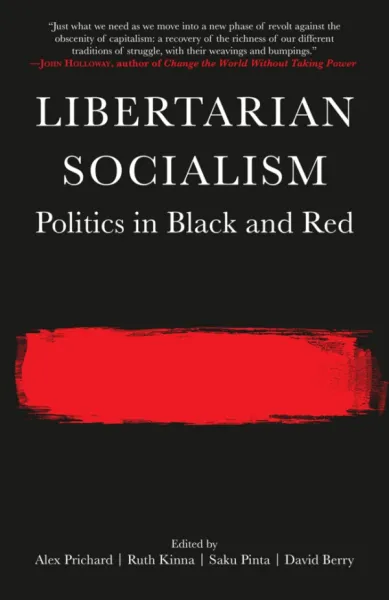
Libertarian Socialism: Politics in Black and Red
This collection reveals the enduring sores in the revolutionary socialist movement in order to explore the often neglected left-libertarian currents that have thrived there.
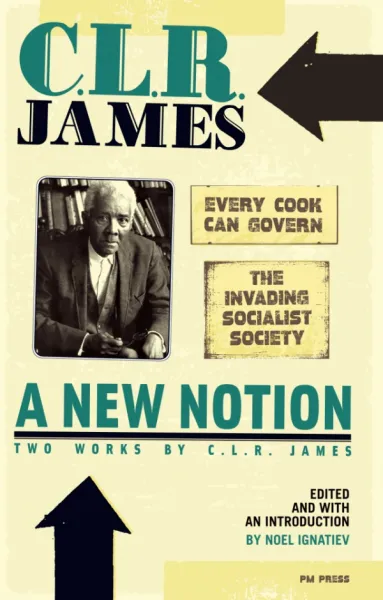
A New Notion: Two Works by C.L.R. James: "Every Cook Can Govern" and "The Invading Socialist Society"
In this volume, Noel Ignatiev, provides an extensive introduction to James' life and thought, before presenting two critical works that illustrate the tremendous breadth and depth of James' worldview.
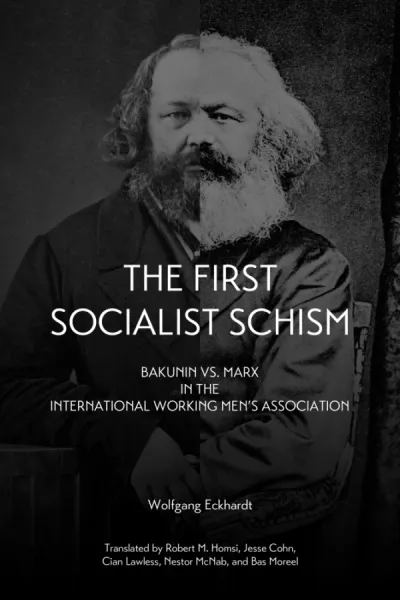
The First Socialist Schism: Bakunin vs. Marx in the International Working Men's Association
This book chronicles the conflicts in the International Working Men’s Association (First International) using source material from numerous archives and libraries that have gone unnoticed or were completely unknown.
Recently Viewed
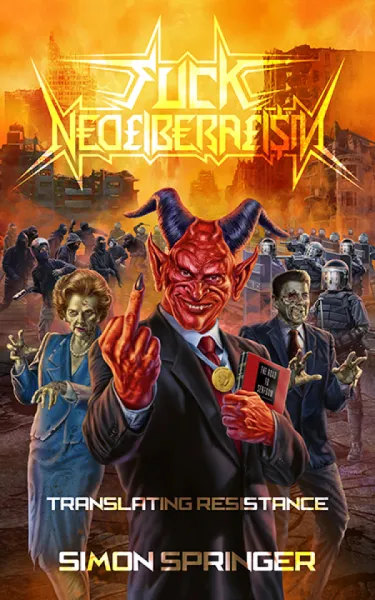
Fuck Neoliberalism: Translating Resistance
Fuck neoliberalism! Do we need to say more?
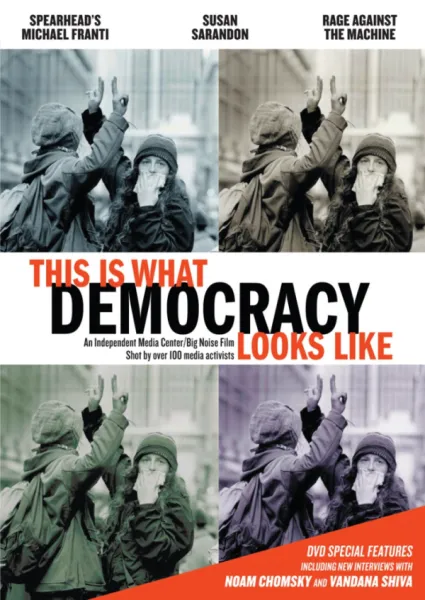
This is What Democracy Looks Like (DVD)
This Is What Democracy Looks Like, a co-production of the IMC and Big Noise Films, weaves the footage of over 100 videographers into a gripping document of what really happened on Seattle’s streets in November 1999.