
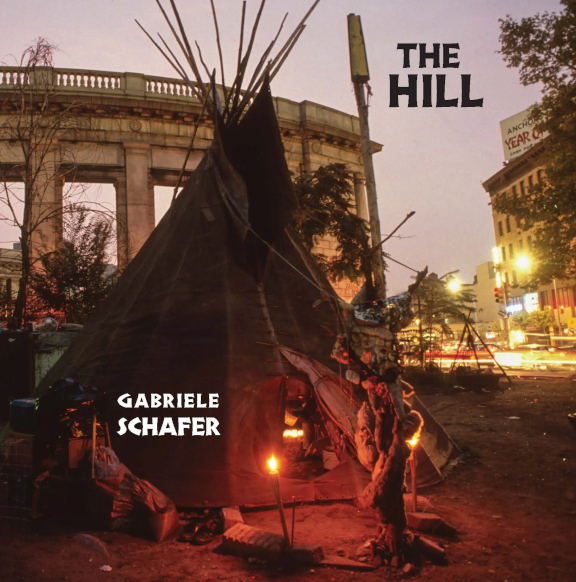
The Hill
In the middle of the night on Thanksgiving 1990, the same weekend that the film Dances with Wolves opened, life partners Gabriele and Nick erected a 25-foot-tall replica of a Lakota tipi in New York City’s then longest-existing shantytown, known as “The Hill,” located at the foot of the Manhattan Bridge at Canal and Chrystie Streets. The tipi was dedicated that December, on the centenary of the Wounded Knee Massacre, in remembrance of the lives lost in 1890, and in recognition of the sovereignty and dignity of the most disenfranchised and forgotten members of our society a century later. Gabriele and Nick thought that if the tipi stood for even one day it would be a success, drawing the eye of over 80,000 motorists that cross the bridge per day, compelling them to engage directly with how our society treats its most down and out. But the powers that be let it stand, and G & N ended up being welcomed and living on the Hill for 2½ years ― getting to know and love their neighbors in all their complexity, cooking with them, performing art with them, quarreling and making up, and watching many of them die. Until August 17, 1993, when the City finally bulldozed The Hill, tipi and all. Gabriele kept this journal that details their day-to-day lives as they navigate drug dealers, one of New York’s largest-ever police corruption scandals, city politics in the era of David Dinkins (elected to solve the homeless problem) and journalists looking for a quick story. It traces the steps of how a shantytown went from the anonymity of waist-high huts hidden in the weeds, to a tour bus and celebrity stop; from addicts just getting by, to a drug supermarket; from a close-knit encampment, to a crime scene that entangles everyone from pushers, to users, to the cops, to the artists themselves, until one day the unspeakable happens.
You May Also Like
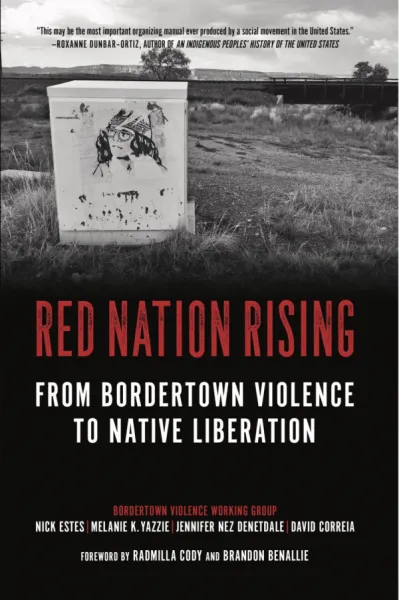
Red Nation Rising: From Bordertown Violence to Native Liberation
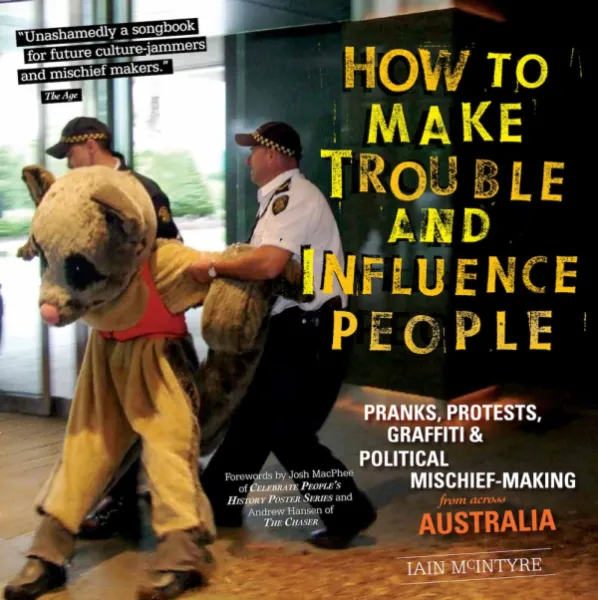
How to Make Trouble and Influence People: Pranks, Protests, Graffiti & Political Mischief-Making from across Australia
This book reveals Australia's radical past through more than 500 tales of Indigenous resistance, convict revolts and escapes, picket line hijinks, creative direct action, street art, media pranks, squatting, etc.
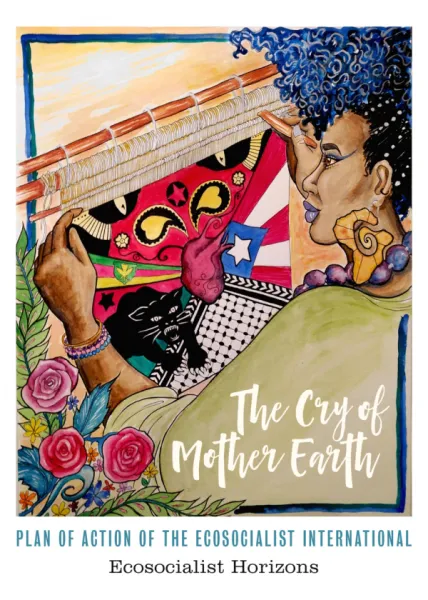
The Cry of Mother Earth: Plan of Action of the Ecosocialist International
This book combines two historic documents from the Ecosocialist International—a chorus of grief and praise for Mother Earth and a planetary program of revolutionary action.
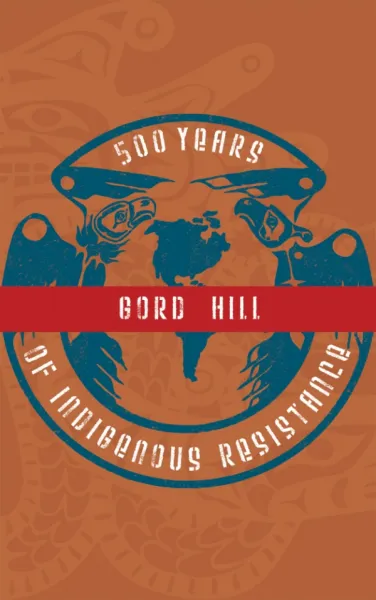
500 Years of Indigenous Resistance
This slim volume chronicles the resistance by Indigenous peoples, which limited and shaped the forms and extent of colonialism.

Ideas for Action: Relevant Theory for Radical Change, 2nd Ed.
Written in an engaging and accessible style, Ideas for Action gives activists the intellectual tools to turn discontent into a plan of action.
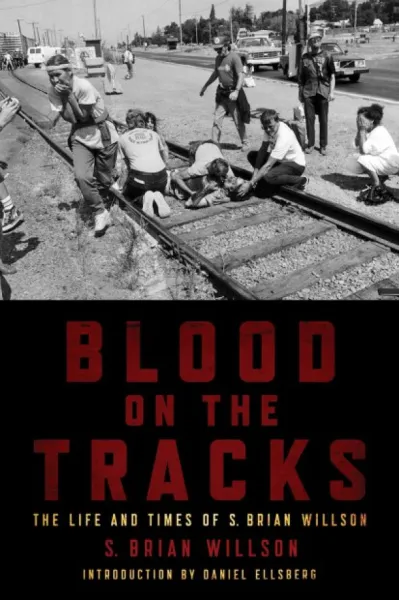
Blood on the Tracks: The Life And Times of S. Brian Willson
A guidebook for anyone called by conscience to question continued obedience to vertical power structures while longing to reconnect with the human archetypes of cooperation, equity, mutual respect, and empathy.