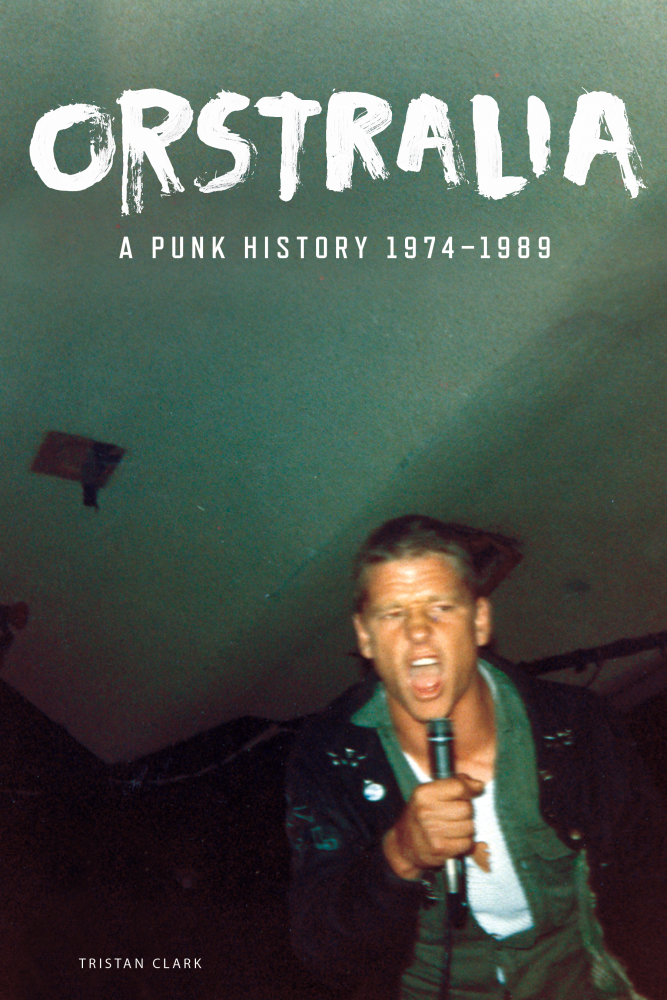
Orstralia: A Punk History 1974–1989
Please select all options before adding to cart.
With appeal to more than just punk history obsessives, Orstralia offers an unprecedented snapshot of an underacknowledged segment of Australian life and history.
Far from punk’s more modish North Atlantic core in the late 1970s, discontented youth in Australia were enacting similar musical and cultural reckonings. Yet in spite of the Australia's purported “laid-back” national demeanour, punks there were routinely met with insult, fist, or the police baton.
More subterranean than the national scandal that was punk back in “homeland” Britain, Australia’s own bands nonetheless came to be heralded internationally. Orstralia represents the first definitive account of the country’s initial years, from progenitors the Saints and Radio Birdman in the mid-70s, through the emergence of hardcore in the 1980s, to the stylistic diffusion that accompanied transition to the 1990s.
Based on over 130 interviews, Orstralia documents the most renowned to the most fleeting and obscure acts the nation produced. Included are equally engrossing and shocking personal narratives befitting such a passionate and intemperate cultural form, as well as punk’s placement within broader Australian society at the time.
Praise
“Australia has some claim to being a punk founder nation, most obviously through the influence of the Saints and Radio Birdman. In Orstralia, Tristan Clark explores the wider terrain to recover a vibrant prepunk, punk, and postpunk history that captures the vibrancy and excitement of a culture brimming with ingenuity and teenage verve. A brilliant book and essential reading for all those interested in punk's cultural past.”
—Matthew Worley, author of No Future: Punk Politics and British Youth Culture, 1976–84
“If your knowledge of Australian punk grinds to a halt at the Saints, Radio Birdman, the Hard-Ons, and Vicious Circle, Orstralia is a deep dive into that country’s turbulent alternative underground of the late 1970s and ’80s, when rebellious youths clashed with the police (not to mention the church, the government, the media . . . authority in general), rival subcultures, their parents and even themselves. Proving that an oppressive police state is no match for subversive creativity in the long run, Australian punk evolved and thrived in the face of such adversity—very much its own beast given its isolation from London and New York—and this forensically researched tome is its story, written in such detail and with such fascinating insight, you can relive it all vicariously without having your nose broken and discover a treasure trove of passionate noise into the bargain. This is an important and entertaining piece of work.”
—Ian Glasper, author of Burning Britain: The History of UK Punk 1980–1984 and The Day the Country Died: A History of Anarcho Punk 1980 to 1984
About the Author
Tristan Clark is a Melbourne-based educator, musician, and writer. His involvement in punk has spanned over three decades and encompassed a near gamut of roles: band member, roadie, merch person, show organizer, Food Not Bombs volunteer, community radio DJ, as well as having written sporadically for local zines and other publications. He now routinely encounters the young students he spends his week working with at local DIY shows and is heartened by punk’s continued ability to self-reproduce.
You May Also Like
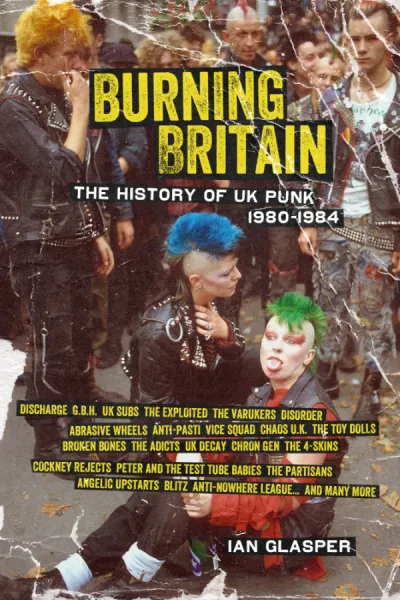
Burning Britain: The History of UK Punk 1980-1984
The true story of the UK punk scene from '80–84 told by the bands and record labels that created it; profiling bands like Vice Squad, Angelic Upstarts, Blitz, Anti-Nowhere League, Cockney Rejects, and more obscure groups.
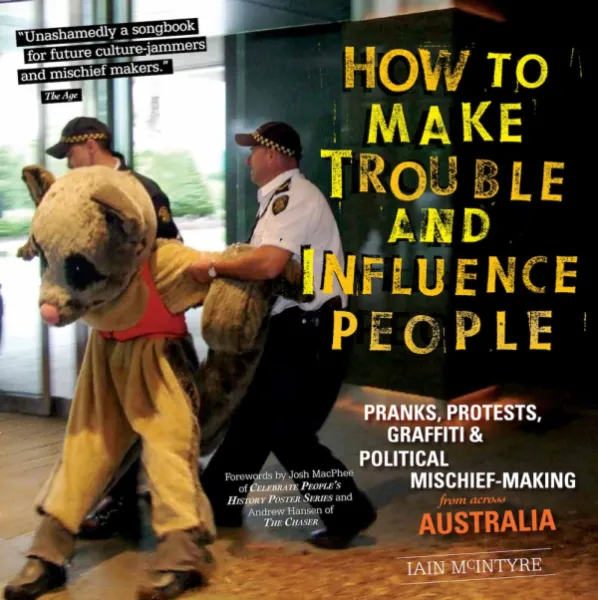
How to Make Trouble and Influence People: Pranks, Protests, Graffiti & Political Mischief-Making from across Australia
This book reveals Australia's radical past through more than 500 tales of Indigenous resistance, convict revolts and escapes, picket line hijinks, creative direct action, street art, media pranks, squatting, etc.
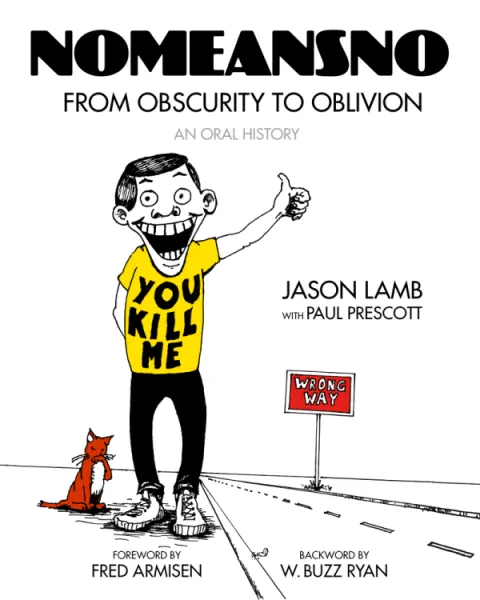
NoMeansNo: From Obscurity to Oblivion: An Oral History
The essential archive and story of NoMeansNo.
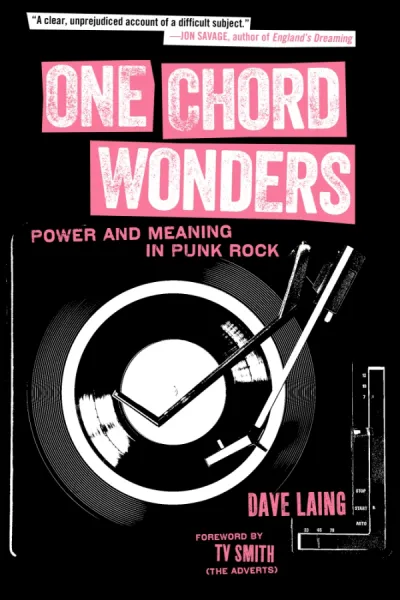
One Chord Wonders: Power and Meaning in Punk Rock
This book argues that a significant political achievement of punk was to expose the operations of power in the British entertainment industry as they were thrown into confusion by the sound and the fury of musicians and fans.
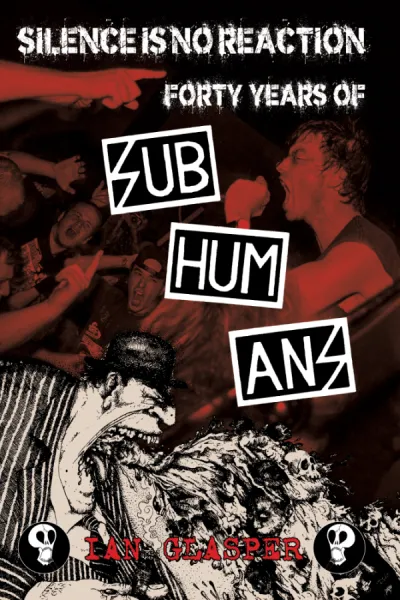
Silence Is No Reaction: Forty Years of Subhumans
The definitive account of the much-loved band.
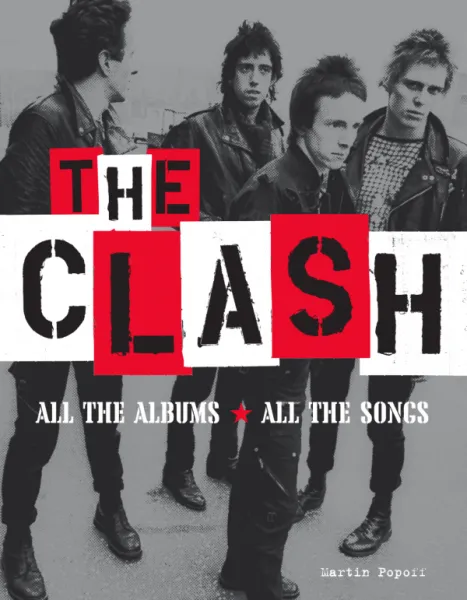
The Clash: All the Albums All the Songs
THE STORIES BEHIND EVERY STUDIO TRACK FROM THE ONLY BAND THAT MATTERS.
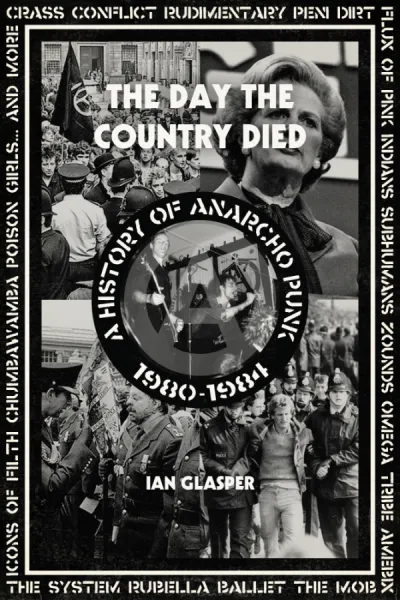
The Day the Country Died: A History of Anarcho Punk 1980-1984
With a backdrop of Thatcher’s Britain, punk music became self-sufficient and considerably more aggressive, blending a DIY ethos with activism to create the perfectly bleak soundtrack to the zeitgeist of a discontented youth.
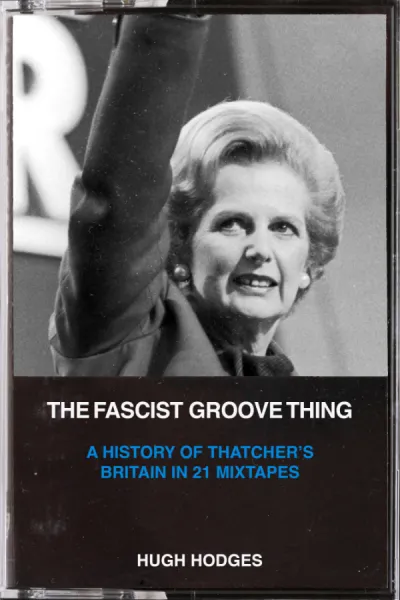
The Fascist Groove Thing: A History of Thatcher's Britain in 21 Mixtapes
This book collects five hundred interesting songs that addressed one alarming feature of Thatcher’s Britain or another.
This Rancid Mill: An Alex Damage Novel
Many of the story's themes revolve around the tough front Alex puts up but ultimately peels back, subverting the trope of the ultramasculine hard-boiled hero.
Recently Viewed
Crossroads: I Live Where I Like: A Graphic History
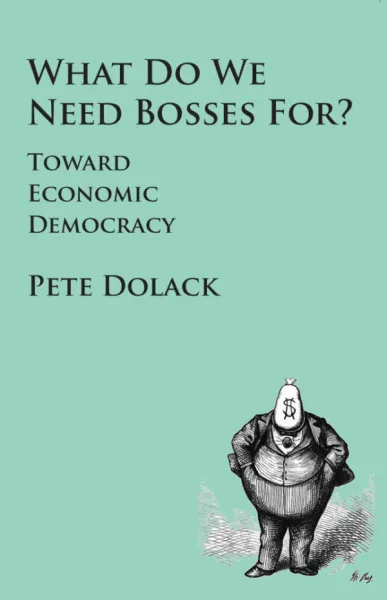
(Autonomedia) What Do We Need Bosses For? Toward Economic Democracy
This book analyzes past and present efforts to establish systems of economic democracy on a national or society-wide basis, dissecting the mounting inequalities of capitalism and theorizing how we might organize a better world.
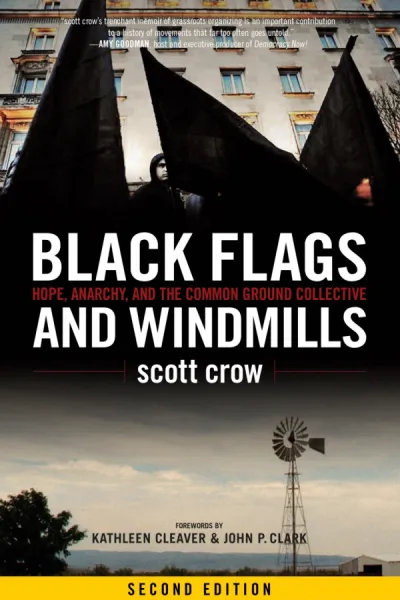
Black Flags and Windmills: Hope, Anarchy, and the Common Ground Collective, Second Edition
A memoir of resisting indifference, rebuilding hope amid collapse, and struggling against the grain. This edition includes new discussions on disaster relief, infiltration and surveillance from the State, and new photos.
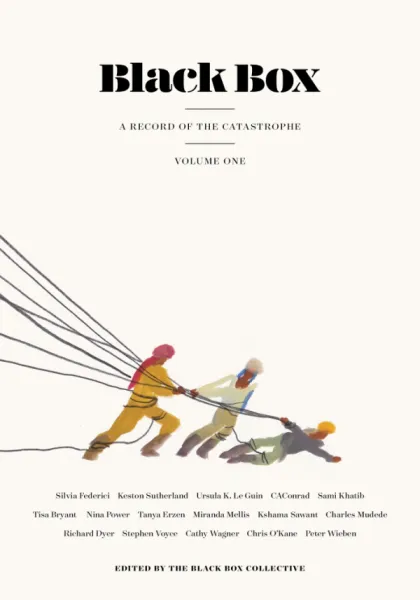
Black Box: A Record of the Catastrophe, Volume One
The first volume contains an eclectic but accessible collection of reportage, interviews, letters, fragments, and theoretical responses from some of the brightest minds in critical theory.