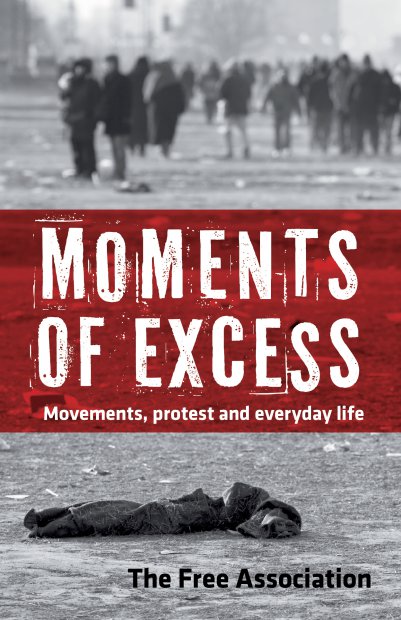
Moments of Excess: Movements, Protest and Everyday Life
Please select all options before adding to cart.
It’s a physical thing. The hairs on the back on your arms stand up. You get goosebumps. There’s a tingling in your spine. Your heart is racing. Your eyes shine and all your senses are heightened: sights, sounds, smells are all more intense. Somebody brushes past you, skin on skin, and you feel sparks. Even the acrid rasp of tear gas at the back of your throat becomes addictive, whilst a sip of water has come from the purest mountain spring. You have an earnest conversation with the total stranger standing next to you and it feels completely normal. (Not something that happens too often in the checkout queue at the supermarket.) Everybody is more attractive. You can’t stop grinning. Fuck knows what endorphins your brain’s producing, but it feels great. Collectivity is visceral!
The first decade of the twenty-first century was marked by a series of global summits which seemed to assume ever-greater importance—from the WTO ministerial meeting in Seattle at the end of 1999, through the G8 summits at Genoa, Evian and Gleneagles, up to the United Nations Climate Change Conference (COP15) at Copenhagen in 2009.
But these global summits did not pass uncontested. Alongside and against them, there unfolded a different version of globalization. Moments of Excess is a collection of texts which offer an insider analysis of this cycle of counter-summit mobilisations. It weaves lucid descriptions of the intensity of collective action into a more sober reflection on the developing problematics of the ‘movement of movements’. The collection examines essential questions concerning the character of anti-capitalist movements, and the very meaning of movement; the relationship between intensive collective experiences—‘moments of excess’—and ‘everyday life’; and the tensions between open, all-inclusive, ‘constitutive’ practices, on the one hand, and the necessity of closure, limits and antagonism, on the other.
Moments of Excess includes a new introduction explaining the origin of the texts and their relation to event-based politics, and a postscript which explores new possibilities for anti-capitalist movements in the midst of crisis.
Praise:
“More than a book, Moments of Excess it is a tool for ‘worlding’. Worlding is put forward as the manifestation of the world we desire in our day-to-day relationships. Moments of Excess speaks to questions that are crucial in creating a better world, all the while asking and opening more questions. This book is wonderfully grounded in the real experiences of the writers, as well as references many movements and events that have inspired millions in this loosely defined ‘anti-capitalist’ movement. In addition to being an important tool, Moments of Excess is a fun read, using popular culture, poetry and humor to make points and speak directly to the reader. Reading this book, I felt like a part of a conversation, a conversation that I didn’t want to end.”
—Marina Sitrin, editor of Horizontalism: Voices of Popular Power in Argentina and (with Clif Ross) Insurgent Democracies: Latin America’s New Powers.
“Reading this collection you are reminded that there is so much life at the front-line, and that there is no alternative to capitalism without living this life to the full. The message is clear: enjoy the struggle, participate in it with your creative energies, be flexible and self-critical of your approach, throw away static ideologies, and reach out to the other.”
—Massimo De Angelis, author of The Beginning of History: Value Struggles and Global Capital and editor of The Commoner.
“Wonderful. Fabulous. The Free Association’s work have been writing some of the most stimulating reflections on the constantly shifting movement against capitalism—always fresh, always engaging, always pushing us beyond where we were … exciting stuff.”
—John Holloway, author of Change the World Without Taking Power and Crack Capitalism.
About The Free Association:
The Free Association is an ongoing experiment. Most of its members are based in Leeds, England and their political history and friendship dates back to the early 1990s. It’s a reading group, a writing machine, an affinity group. Alex Dennis, David Harvie, Nate Holdren, Nette Humphreys, Keir Milbur, and David Watts freely associated to produce the texts here.
See and hear author interviews, book reviews, and other news on the Free Association's page HERE
You May Also Like
Crashing the Party: Legacies and Lessons from the RNC 2000
This book shows how events in 2000 acted as a testing ground to develop repressive policing methods now used across the U.S., as well as providing a laboratory for radical, innovative, and confrontational forms of legal support.
Don't Mourn, Balkanize!: Essays After Yugoslavia
This collection of essays, commentaries and interviews represents the first book written from the radical left perspective on the topic of Yugoslav space after the dismantling of the country.
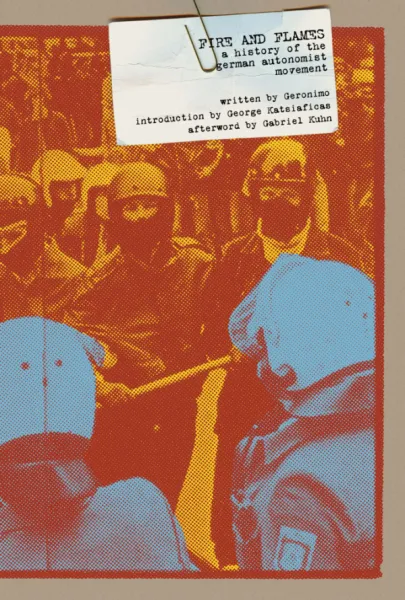
Fire and Flames: A History of the German Autonomist Movement
Fire and Flames was the first comprehensive study of the German autonomous movement ever published. Released in 1990 with the legendary German Konkret journal concluding that "the movement had produced its own classic.
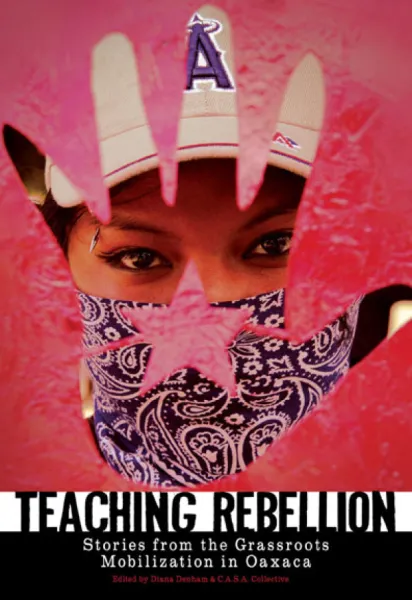
Teaching Rebellion: Stories from the Grassroots Mobilization in Oaxaca
In 2006, in Oaxaca, what began as a teachers' strike demanding more resources for education quickly turned into a massive movement that demanded direct, participatory democracy.
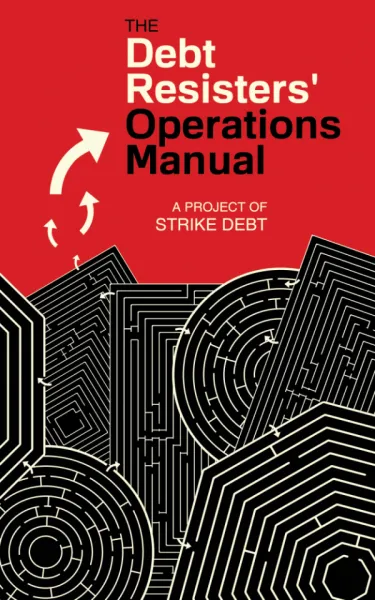
The Debt Resisters' Operations Manual
The Debt Resisters' Operations Manual is a handbook for debtors everywhere to understand how this system really works, while providing practical tools for fighting debt in its most exploitative forms.
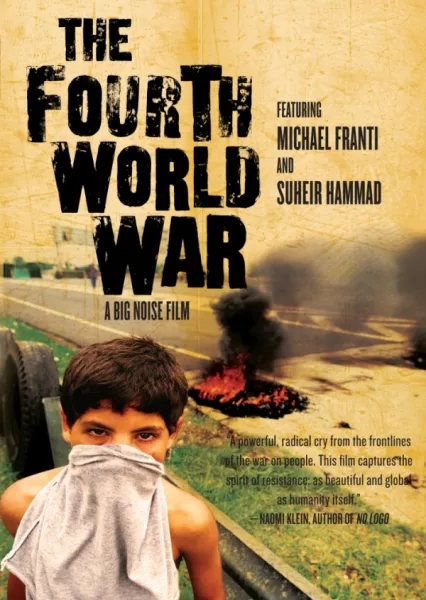
The Fourth World War (DVD)
From the front-lines of conflicts in Mexico, Argentina, South Africa, Palestine, Korea, and the War on Terror The Fourth World War is the story of men and women around the world who resist being annihilated.
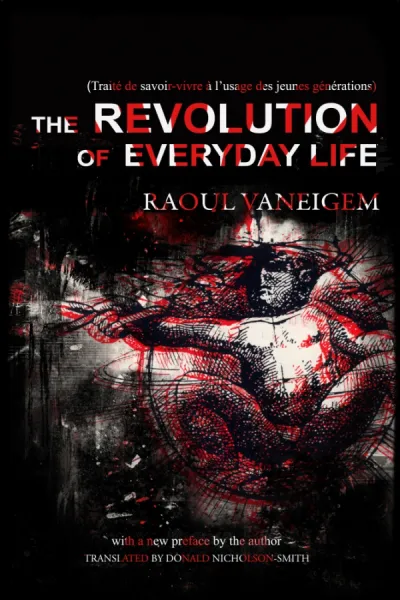
The Revolution of Everyday Life
This treatise offers a lyrical and aphoristic critique of the "society of the spectacle" from the point of view of individual experience.
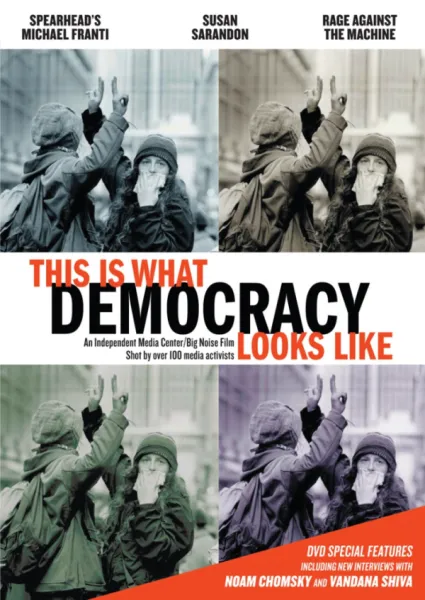
This is What Democracy Looks Like (DVD)
This Is What Democracy Looks Like, a co-production of the IMC and Big Noise Films, weaves the footage of over 100 videographers into a gripping document of what really happened on Seattle’s streets in November 1999.
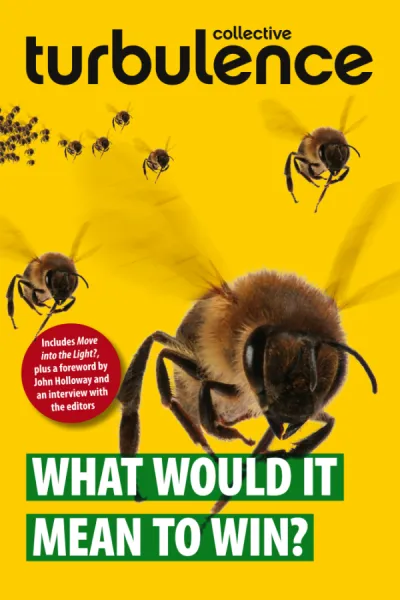
What Would It Mean to Win?
Sometimes all it takes to get moving again is a nudge in a new direction... We think now is a good time to ask the question: What is winning? Or: What would—or could—it mean to "win?"
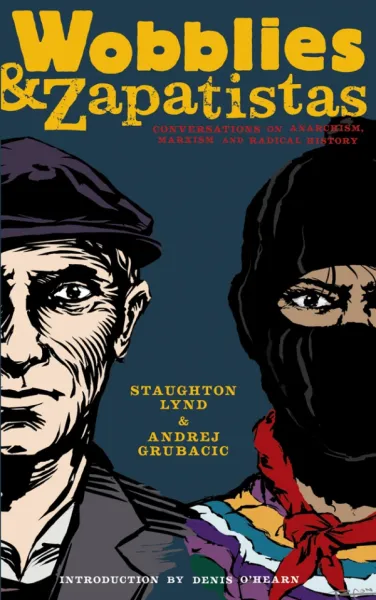
Wobblies and Zapatistas: Conversations on Anarchism, Marxism and Radical History
Wobblies and Zapatistas offers the reader an encounter between two generations and two traditions.
Recently Viewed
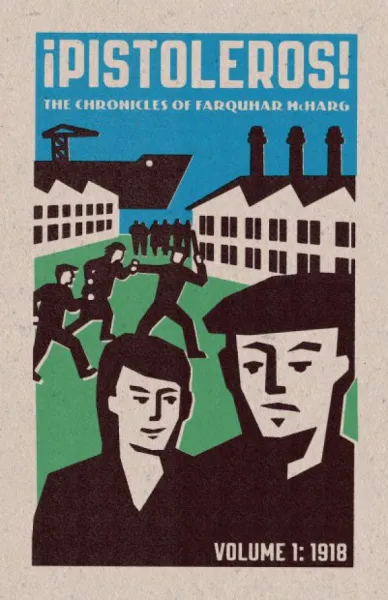
Pistoleros!: The Chronicles of Farquhar McHarg - I: 1918
A thrilling tale of adventure, treachery, and betrayal... a fascinating insight into the ideas and optimism that set the world ablaze in the first part of the twentieth century.
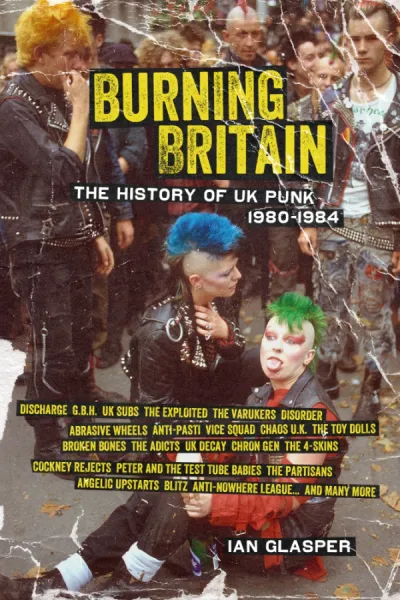
Burning Britain: The History of UK Punk 1980-1984
The true story of the UK punk scene from '80–84 told by the bands and record labels that created it; profiling bands like Vice Squad, Angelic Upstarts, Blitz, Anti-Nowhere League, Cockney Rejects, and more obscure groups.
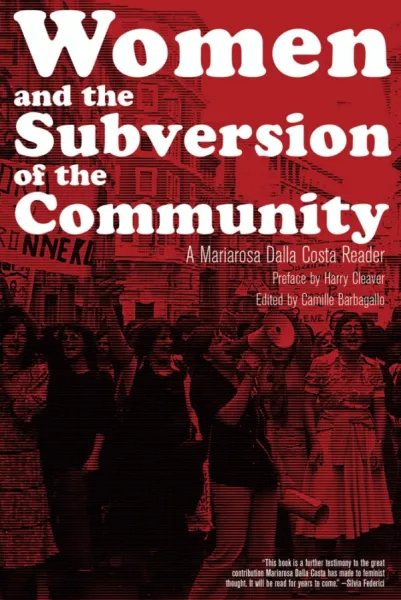
Women and the Subversion of the Community: A Mariarosa Dalla Costa Reader
These essays provide critical and relevant ideas for anticapitalists, antiracists, and feminists who are attempting to build counterpower in the age of austerity.
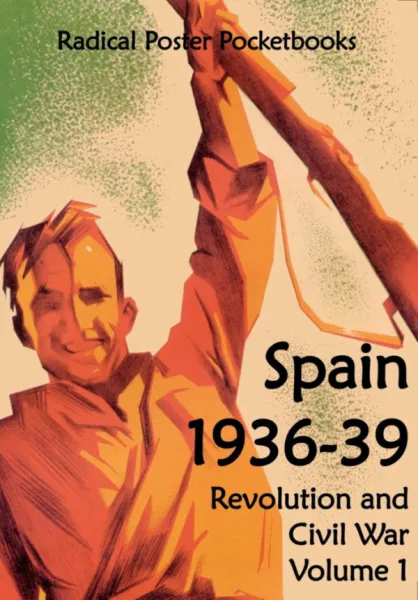
Spain 1936-39 Revolution and Civil War Volume 1, Posters Pocketbook (A6)
This collection was hand-picked by RPC collective members to give a feel for the posters used by anarchist, socialist, and communist groups in circulation during the Spanish Revolution and Civil War.