
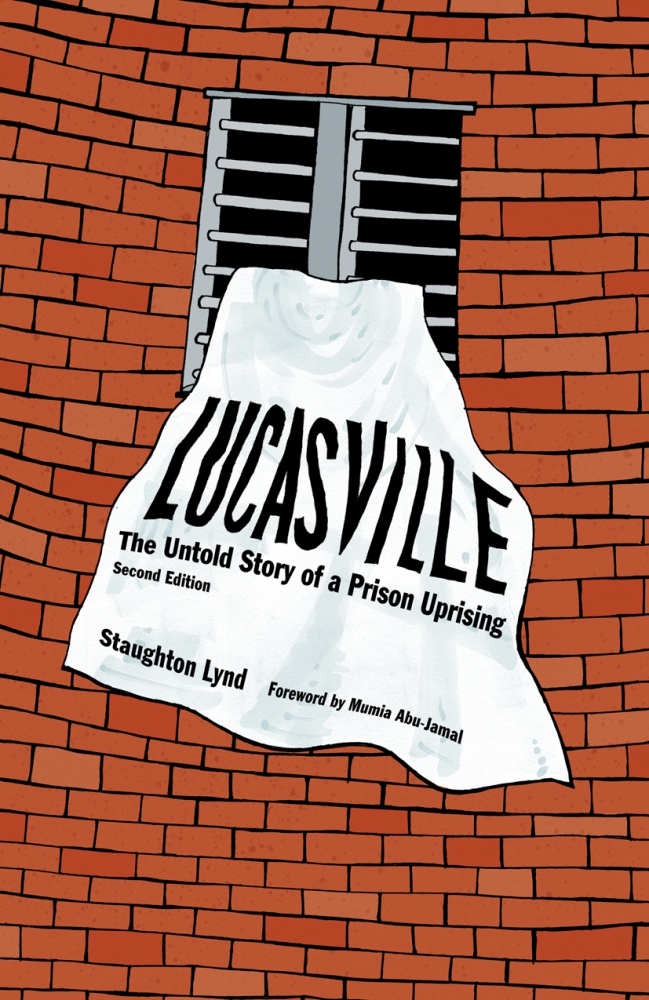
Lucasville: The Untold Story of a Prison Uprising, 2nd ed.
Please select all options before adding to cart.
Lucasville tells the story of one of the longest prison uprisings in U.S. history. At the maximum-security Southern Ohio Correctional Facility in Lucasville, Ohio, prisoners seized a major area of the prison on Easter Sunday, 1993. More than 400 prisoners held L block for eleven days. Nine prisoners alleged to have been informants, or “snitches,” and one hostage correctional officer, were murdered. There was a negotiated surrender. Thereafter, almost wholly on the basis of testimony by prisoner informants who received deals in exchange, five spokespersons or leaders were tried and sentenced to death, and more than a dozen others received long sentences.
Lucasville examines the causes of the disturbance, what happened during the eleven days, and the fairness of the trials. Particular emphasis is placed on the interracial character of the action, as evidenced in the slogans that were found painted on walls after the surrender: “Black and White Together,” “Convict Unity,” and “Convict Race.”
An eloquent Foreword by Mumia Abu-Jamal underlines these themes. He states, as does the book, that the men later sentenced to death “sought to minimize violence, and indeed, according to substantial evidence, saved the lives of several men, prisoner and guard alike.” Of the five men, three black and two white, who were sentenced to death, Mumia declares, “They rose above their status as prisoners, and became, for a few days in April 1993, what rebels in Attica had demanded a generation before them: men. As such, they did not betray each other; they did not dishonor each other; they reached beyond their prison ‘tribes’ to reach commonality.”
Praise:
“Mr. Lynd is a masterful storyteller and he has a hell of a story to tell. [He] has written a definitive history of one of the longest prison riots in U.S. history and its aftermath. That alone is worth the price of admission... What makes the book unique in the historical sense is the remarkable range of primary and secondary sources; Lynd writes with a lawyer’s pen but a poet’s ear... This book is a reminder that prisoners—even death row prisoners—are human beings, too. Lucasville is a resounding affirmation of our common humanity.”
—Michael Mello, author of The Wrong Man: A True Story of Innocence on Death Row
“There is a temperature at which the welder’s torch becomes so hot and burns with such purity that its flame is no longer yellow, orange, or red, but burns blue. Then it is capable of cutting through steel. Staughton Lynd wields the blue flame of truth, cutting through the lies, threats, evasions, and misrepresentations of the authorities of the state of Ohio.”
—Professor Peter Linebaugh, Department of History, University of Toledo; author of The London Hanged and co-author of The Many-Headed Hydra
“Lucasville is one of the most powerful indictments of our ‘justice system’ I have ever read. What comes across is a litany of flaws deep in the system, and recognizably not unique to Lucasville. The detailed transcripts (yes, oral history!) give great power to the whole story.”
—Howard Zinn, author of A People’s History of the United States
“Of interest to anyone who follows prison politics or the often enigmatic workings of the justice system.”
—Library Journal
About the Author:
Staughton Lynd taught American history at Spelman College and Yale University. He was director of Freedom Schools in the 1964 Mississippi Freedom Summer. An early leader of the movement against the Vietnam War, he was blacklisted and unable to continue as an academic. He then became a lawyer, and in this capacity has assisted rank-and-file workers and prisoners for the past thirty years. He has written, edited, or co-edited with his wife Alice Lynd more than a dozen books.
About Mumia Abu-Jamal (Foreword):
Mumia Abu-Jamal is probably the best-known political prisoner in the Western world. Mumia was sentenced to death for allegedly shooting and killing Philadelphia police officer Daniel Faulkner in December 1981. While behind bars he has written a series of widely-read books, including Live from Death Row (1995), Death Blossoms (1996), and a history of the Black Panther Party entitled We Want Freedom (2004). In December 2001, United States District Court judge William Yohn vacated Mumia’s death sentence but not his guilty verdict. When this second edition went to press the United States Supreme Court was considering that decision.
See and hear author interviews, book reviews, and other news on Staughton Lynd's page HERE
Click here to download and print a product information sheet.
You May Also Like
Accompanying: Pathways to Social Change
Accompanying distinguishes two strategies of social change, "organizing" and "accompaniment," and applies them to five social movements.
From Here to There: The Staughton Lynd Reader
Unpublished talks and hard-to-find essays from legendary activist historian Staughton Lynd.
Jobs with Justice: 25 Years, 25 Voices
Through interviews and essays the activists that built Jobs with Justice show us why their economic vision matters after 25 years of solidarity organizing that has resulted in local, national, and international victories.
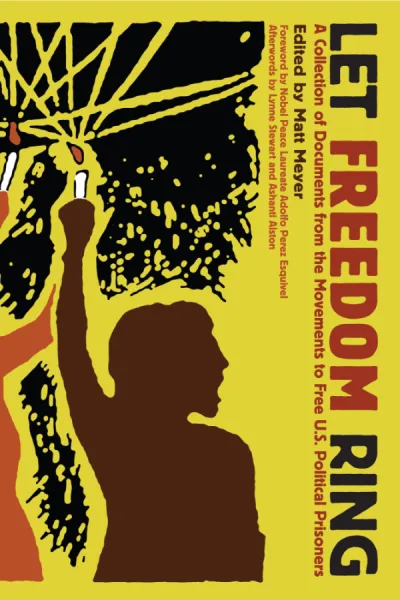
Let Freedom Ring: A Collection of Documents from the Movements to Free U.S. Political Prisoners
Collecting dozens of documents from the past three decades of struggle to free US political prisoners, this resource book is designed for action!
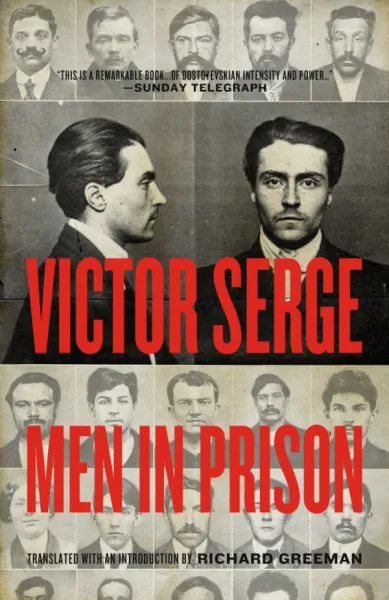
Men in Prison
Everything in this book is fictional and everything is true. I have attempted, through literary creation, to bring out the general meaning and human content of a personal experience.
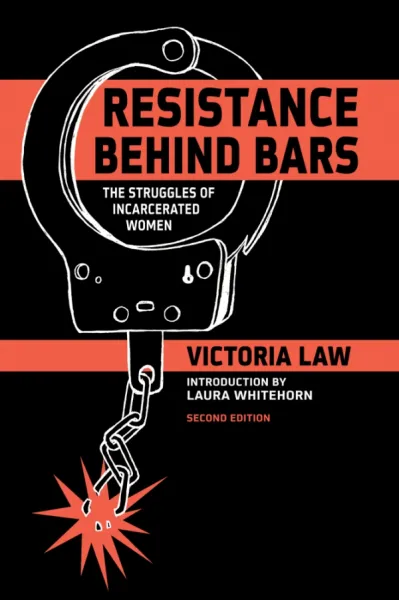
Resistance Behind Bars: The Struggles of Incarcerated Women, 2nd Edition
Resistance examines daily struggles against appalling prison conditions and injustices while documenting both collective organizing and individual resistance among women incarcerated in the U.S.
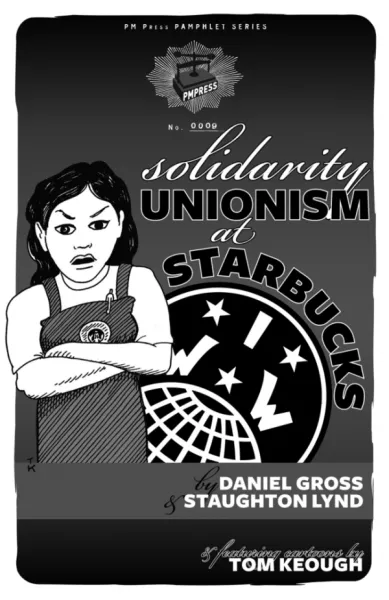
Solidarity Unionism at Starbucks
Combining history and theory Lynd and Gross make a compelling case for solidarity unionism as an effective approach to winning a voice on the job.
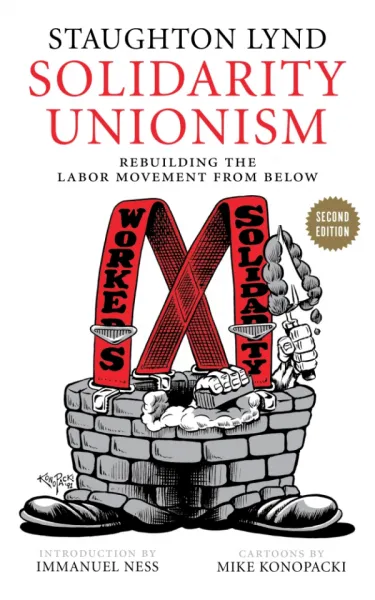
Solidarity Unionism: Rebuilding the Labor Movement from Below, Second Edition
Solidarity Unionism is critical reading for all who care about the future of labor.
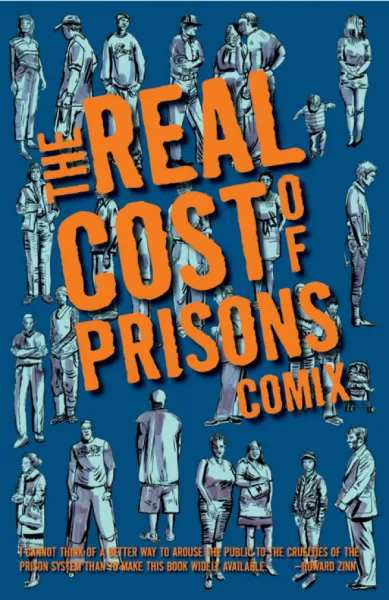
The Real Cost of Prisons Comix
One out of every hundred adults in the U.S. is in prison. This book provides a crash course in what drives mass incarceration, the human and community costs, and how to stop the numbers from going even higher.
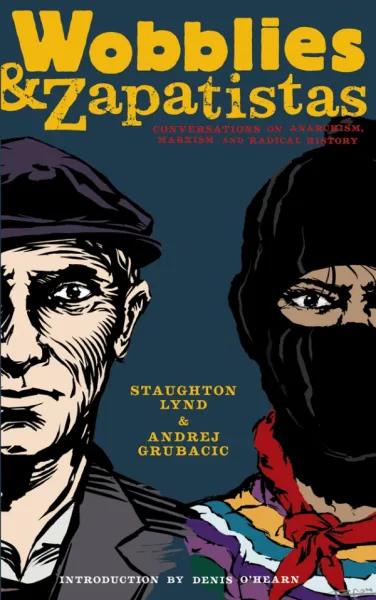
Wobblies and Zapatistas: Conversations on Anarchism, Marxism and Radical History
Wobblies and Zapatistas offers the reader an encounter between two generations and two traditions.
Recently Viewed
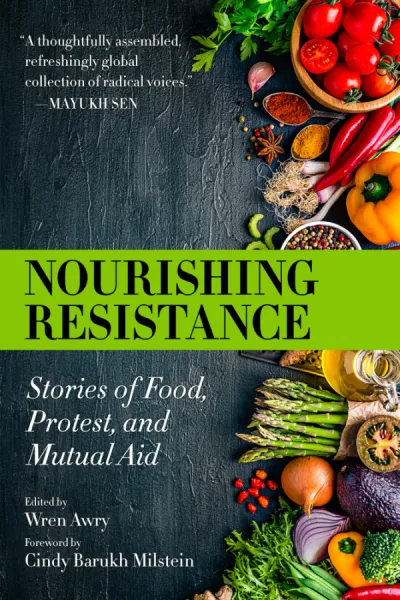
Nourishing Resistance: Stories of Food, Protest, and Mutual Aid
Through essays, articles, poems, and stories, Nourishing Resistance argues that food is a central, intrinsic part of global struggles for autonomy and collective liberation.
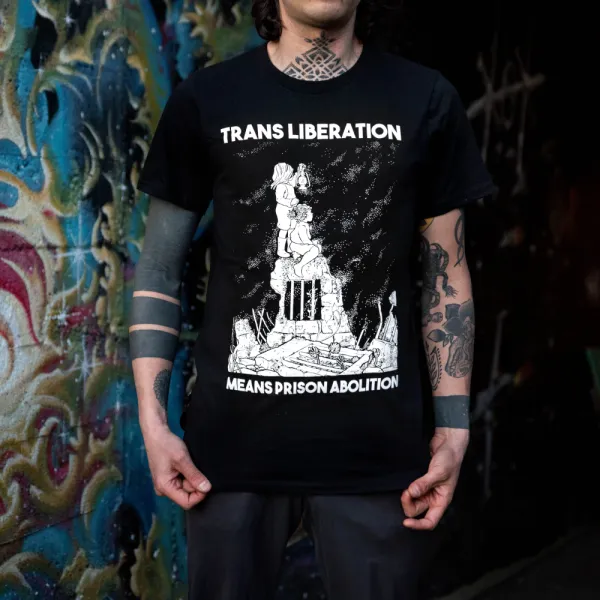
Trans Liberation Means Prison Abolition Bread & Roses Legal Center Benefit T-Shirt
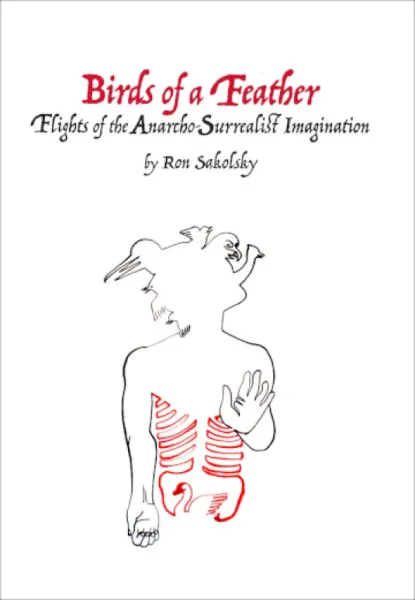
Birds of a Feather: Flights of the Anarcho-Surrealist Imagination
Imagine anarchy and surrealism as an avian body in flight! The anarchist wing yearns to fly so high that it demands the impossible, while the surrealist wing breaks the binary chains that imprison our minds.
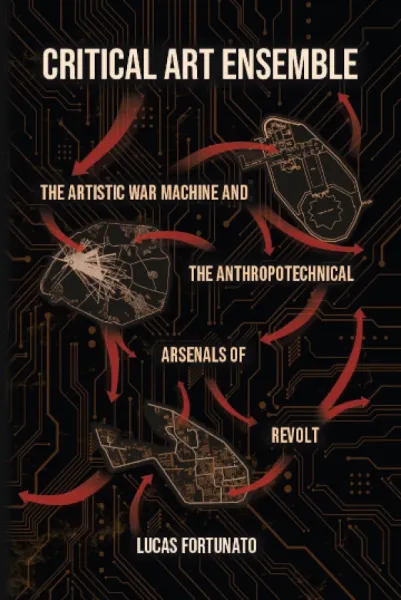
Critical Art Ensemble: The Artistic War Machine and the Anthropotechnical Arsenals of Revolt
Based on detailed research, this book presents historical snapshots of the Critical Art Ensemble, theoretical insights, and connections with avant-garde movements, tactical media, electronic resistance, and bioactivism.