
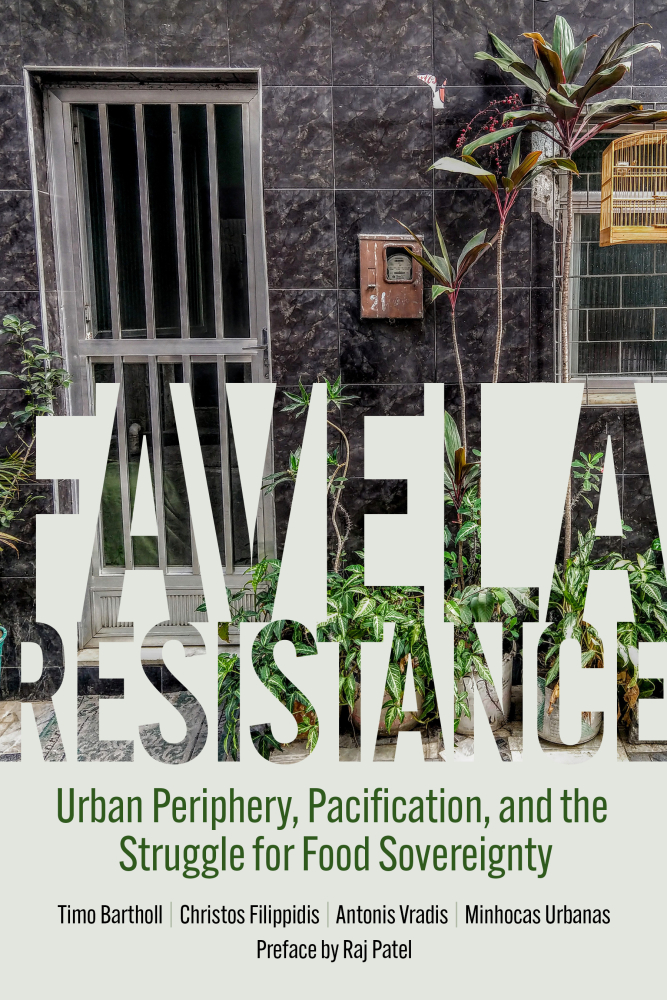
Favela Resistance: Urban Periphery, Pacification, and the Struggle for Food Sovereignty
Please select all options before adding to cart.
Food is at the heart of well-being, peace, and health. But millions live without access to basic nutrition, and billions live without control or understanding of where their food will come from and how it is produced.
Nowhere is this problem clearer than in the favelas of Rio de Janeiro. Through meticulous research, community engagement and direct action within the Maré region—a cluster of seventeen favela communities in the northern zone of Rio—Antonis Vradis, Timo Bartholl, and Christos Filippidis have created a shocking, inspiring, and revolutionary collection of essays that go beyond the question of food in the Brazilian urban periphery, and highlights critical issues concerning state control, pacification, solidarity, and grassroots organizing.
Favela Resistance is a lens through which we can understand how the state creates marginalized lives in cities throughout the world under the auspices of welfare, security, and emergency support. The link between food and public security is intertwined with decades-long pacification operations in the favelas of Rio. This fight for food sovereignty shows how local production structures and solidarity networks have radically rethought and reconfigured the relationship between cities and farms; providing a map of how impoverished populations can organize resistance, create health and community, and fight—literally from the ground up—for a better world.
About the Contributors
Timo Bartholl engages in local grassroots work and has lived in the Maré favela in Rio de Janeiro, since 2008. He works at the interface of university and community, is a geography professor at the Fluminense Federal University (UFF) in Niterói, Brazil, and a founding member of the Roça! Collective. Geographies in movement(s), militant investigation, favela resistance, urban struggles related to food sovereignty/food autonomy, collective economies and geopolitics from a global south perspective are his key fields of interest.
Christos Filippidis is an architect with a research background in critical urban geopolitics. He is currently an Independent Social Research Foundation Fellow in the Department of Architecture, University of Ioannina, Greece, investigating the urbanization of the Global South within the Cold War context.
Antonis Vradis is an urban geographer based at the University of St. Andrews, Scotland. He is the director of the university’s Radical Urban Lab, a new research unit that tries to cut across hierarchies and to research, in a more egalitarian manner, some of the most pressing urban questions of today.
Minhocas Urbanas was the Maré based community action research group of Favela Resistance. It consisted of Maré residents Geandra Nobre do Nascimento, Alessandra de Lima, Bruna Pierroux, and local coordinator Timo Bartholl, at the time all members of Minhocas Urbanas's local research partner the Roça! Collective; Joelma Nobre do Nascimento de Oliveira, a local market vendor; Amanda Mendonça, a social assistant and public health specialist; Jamylle Andrade, a nutritionist, Naldinho Lourenço, a community media activist; and Juliana de Medeiros Diniz, an agroecological farmer from the periurban area of Magé.
Raj Patel is an award-winning author, filmmaker, and academic. He is a research professor at the Lyndon B. Johnson School of Public Affairs at the University of Texas, Austin. He is the author of Stuffed and Starved and The Value of Nothing.
You May Also Like
Against Urbanism
After demolishing the myth of the rock star architect with his book Against Architecture, Franco La Cecla now explores the decisive challenges that cities are going to have to confront in the near future.
Collectives in the Spanish Revolution
A unique account of worker-run collectives in Revolutionary Spain combining eyewitness documentation with keen analysis of a unique historical moment.
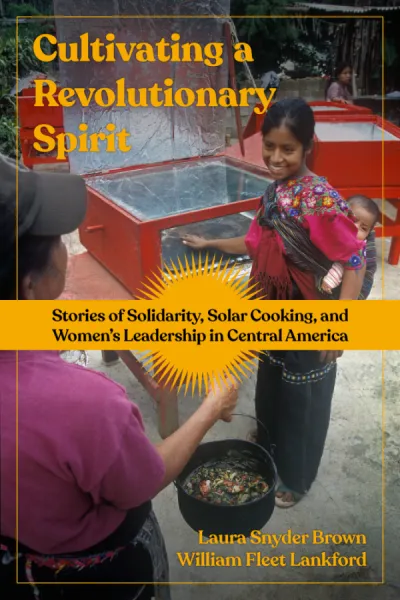
Cultivating a Revolutionary Spirit: Stories of Solidarity, Solar Cooking, and Women’s Leadership in Central America
Describes how local women used the tools of carpentry to build solar ovens and how they used the tools of feminism to take more control over their own lives and their communities.
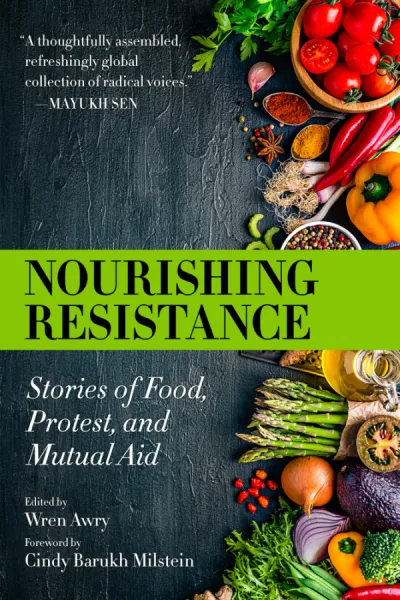
Nourishing Resistance: Stories of Food, Protest, and Mutual Aid
Through essays, articles, poems, and stories, Nourishing Resistance argues that food is a central, intrinsic part of global struggles for autonomy and collective liberation.
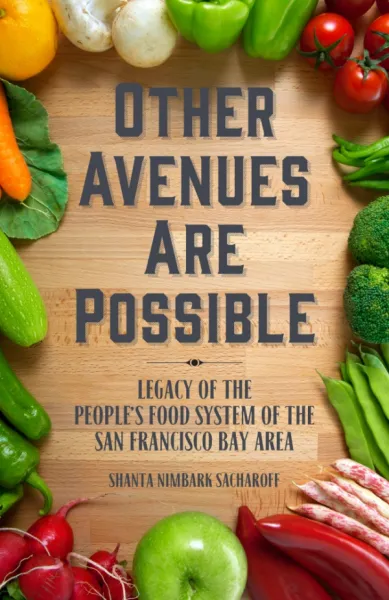
Other Avenues Are Possible: Legacy of the People's Food System of the San Francisco Bay Area
Other Avenues Are Possible offers a vivid account of the dramatic rise and fall of the San Francisco People’s Food System of the 1970s.
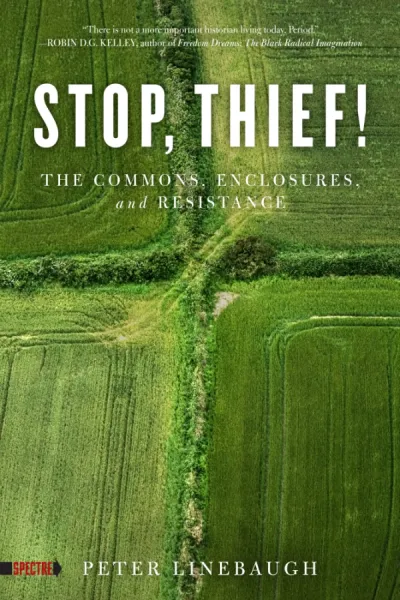
Stop, Thief!: The Commons, Enclosures, and Resistance
This majestic tour de force takes aim at the thieves of land, the polluters of the seas, the ravagers of the forests, the despoilers of rivers, and the removers of mountaintops.
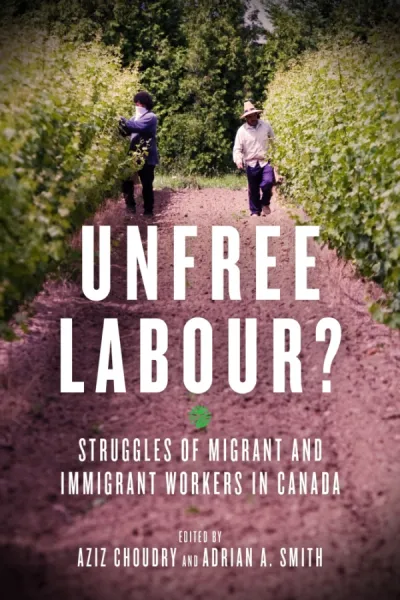
Unfree Labour?: Struggles of Migrant and Immigrant Workers in Canada
This book explores labour migration to Canada and how public policies of temporary and guest worker programs function in the global context of work and capitalist restructuring.
Recently Viewed
The State Is the Enemy: Essays on Liberation and Racial Justice
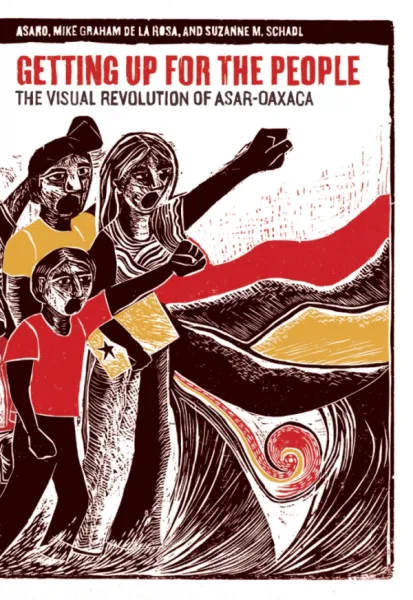
Getting Up for the People: The Visual Revolution of ASAR-Oaxaca
Presenting, in full color, the work of ASARO covering global themes of corporate greed, genetically modified organisms, violence against women, and abuses of natural resources.

Clipped Coins, Abused Words, and Civil Government
Caffentzis grounds this ampliative examination of Locke’s philosophy of economics, language, and history in the political crisis that resulted when monetary pirates “clipped” the silver currency of 17th-century England.
No Wall They Can Build: A Guide to Borders & Migration Across North America
Every year, thousands of people risk their lives to cross the desert between Mexico and the United States. Why do so many people cross the border without documents? And whose interests does the border serve?