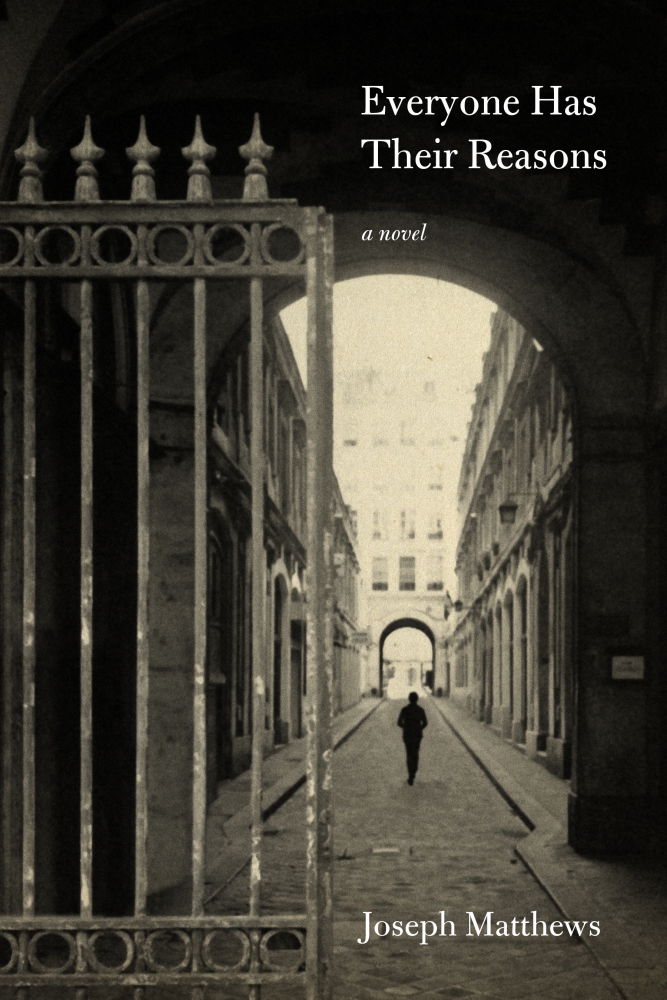
Everyone Has Their Reasons
Please select all options before adding to cart.
On November 7, 1938, a small, slight seventeen-year-old Polish-German Jew named Herschel Grynszpan entered the German embassy in Paris and shot dead a consular official. Three days later, in supposed response, Jews across Germany were beaten, imprisoned, and killed, their homes, shops, and synagogues smashed and burned—Kristallnacht, the Night of Broken Glass.
Based on the historical record and told through his “letters” from German prisons, the novel begins in 1936, when fifteen-year-old Herschel flees Germany. Penniless and alone, he makes it to Paris where he lives hand-to-mouth, his shadow existence mixing him with the starving and the wealthy, with hustlers, radicals, and seamy sides of Paris nightlife.
In 1938, the French state rejects refugee status for Herschel and orders him out of the country. With nowhere to go, and now sought by the police, he slips underground in immigrant east Paris.
Soon after, the Nazis round up all Polish Jews in Germany—including Herschel’s family—and dump them on the Poland border. Herschel’s response is to shoot the German official, then wait calmly for the French police.
June 1940, Herschel is still in prison awaiting trial when the Nazi army nears Paris. He is evacuated south to another jail but escapes into the countryside amid the chaos of millions of French fleeing the invasion. After an incredible month alone on the road, Herschel seeks protection at a prison in the far south of France. Two weeks later the French state hands him to the Gestapo.
The Nazis plan a big show trial, inviting the world press to Berlin for the spectacle, to demonstrate through Herschel that Jews had provoked the war. Except that Herschel throws a last-minute wrench in the plans, bringing the Nazi propaganda machine to a grinding halt. Hitler himself postpones the trial and orders that no decision be made about Herschel’s fate until the Führer personally gives an order—one way or another.
Praise:
“A tragic, gripping Orwellian tale of an orphan turned assassin in pre-World War II Paris. Based on the true story of the Jewish teen Hitler blamed for Kristallnacht, it’s a wild ride through the underside of Europe as the storm clouds of the Holocaust gather. Not to be missed!”
—Terry Bisson, Hugo and Nebula award-winning author of Fire on the Mountain
About the Author:
Born in Boston and raised there and in California, Joseph Matthews was for a number of years a criminal defense lawyer in San Francisco, engaging in the criminal/political cases of anti–Vietnam War activists and Mission District barrio residents, defending prisoners during the California prison rebellions of the 1970s, serving as a public defender, and teaching at the law school of the University of California, Berkeley. He spent considerable time in Greece in the 1970s and 1980s, where his novel Shades of Resistance (1996) is set during the period of the military junta there. His other previous books are the short story collection The Lawyer Who Blew Up His Desk (1998) and the political analysis Afflicted Powers: Capital and Spectacle in a New Age of War (2005, with Iain Boal, T.J. Clark, and Michael Watts).
See and hear author interviews, book reviews, and other news on Joseph Matthew's page HERE
You May Also Like
Jewish Noir
Jewish Noir is unique collection of all-new stories by Jewish and non-Jewish literary and genre writers, including numerous award-winning authors.
Jewish Noir II: Tales of Crime and Other Dark Deeds
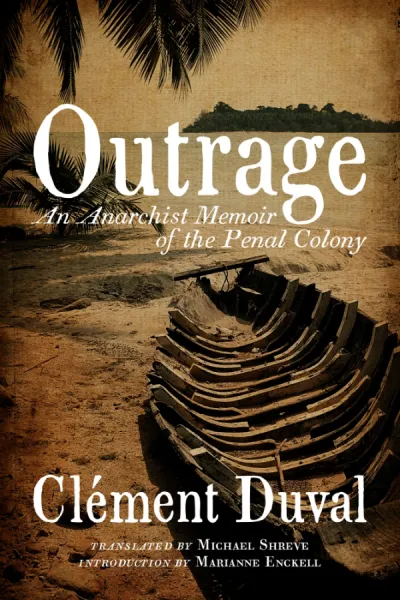
Outrage: An Anarchist Memoir of the Penal Colony
This is more than an historical document about the anarchist movement and the penal colony. It is a remarkable story of survival through self-determination, energy, courage, loyalty, and hope.
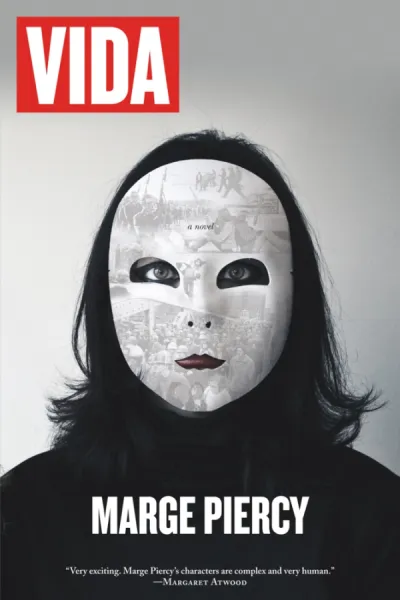
Vida
Originally published in 1979, Vida is Marge Piercy's classic bookend to the '60s. Vida is full of the pleasures and pains, the experiments, disasters, and victories of an extraordinary band of people.
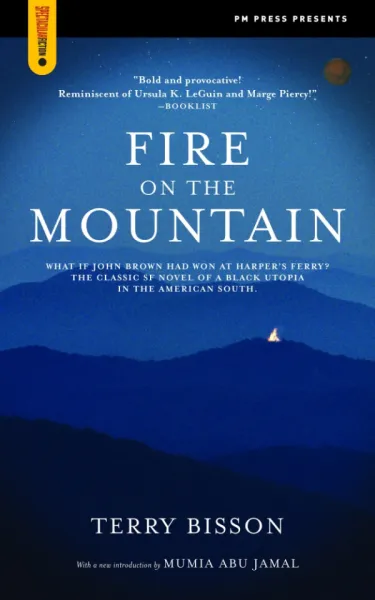
Fire on the Mountain
Presenting an alternative version of African American history, this novel explores what might have happened if John Brown's 1859 raid on Harper's Ferry had been successful.
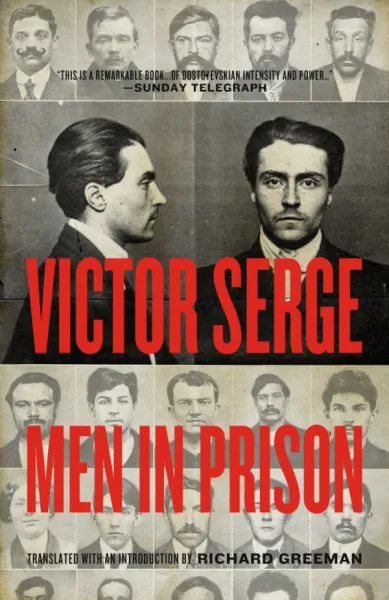
Men in Prison
Everything in this book is fictional and everything is true. I have attempted, through literary creation, to bring out the general meaning and human content of a personal experience.
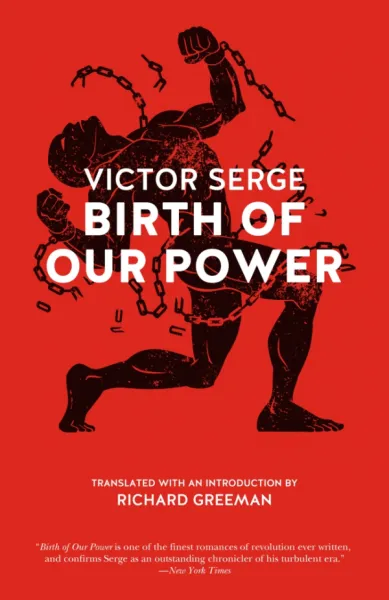
Birth of Our Power
This epic novel is set in Spain, France, and Russia during the heady revolutionary years 1917–1919. From "victory in defeat" to "defeat in victory."
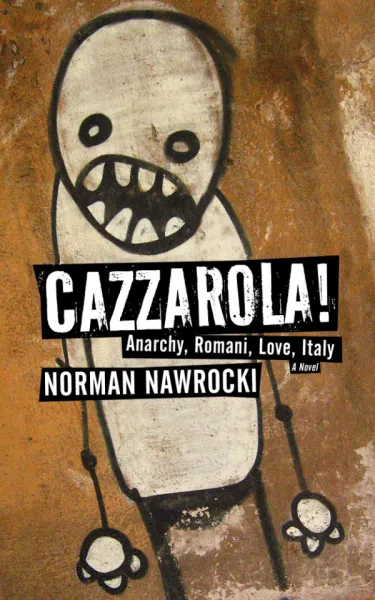
Cazzarola!: Anarchy, Romani, Love, Italy (A Novel)
Cazzarola! is a gripping, epic, political, historical, and romantic novel of Italian anarchists and Romani refugees.
Recently Viewed
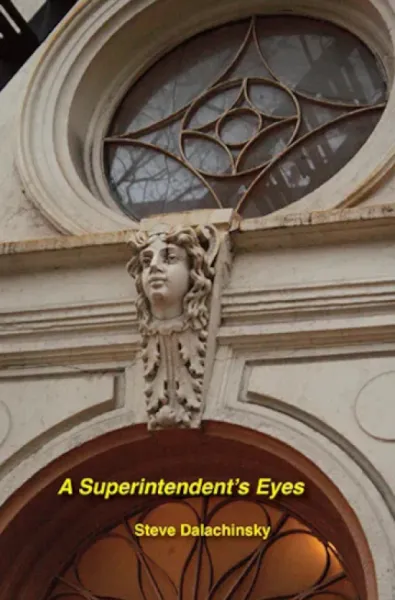
A Superintendent's Eyes
A Superintendent’s Eyes is a cycle of poems/prose dealing with the vicissitudes of being a building super back in the days when NYC streets were still mean.
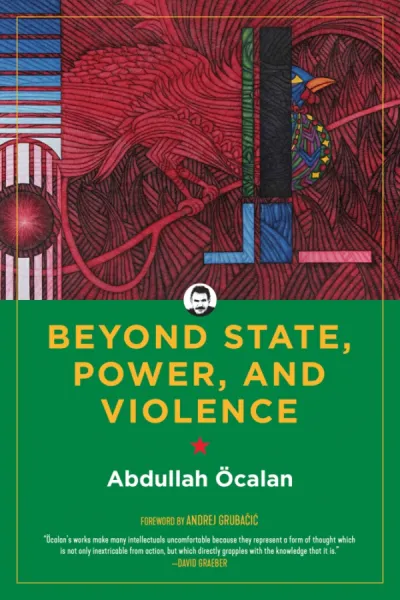
Beyond State, Power, and Violence
This book is a breathtaking reconnaissance into life without the state, an essential portrait of the PKK and the Kurdish freedom movement, and an open blueprint for leftist organizing in the twenty-first century.

The Lady Anarchist Cafe
Welcome to The Lady Anarchist Café, a phantasmic feminist space where ‘the occult and the everyday intermingle.’